
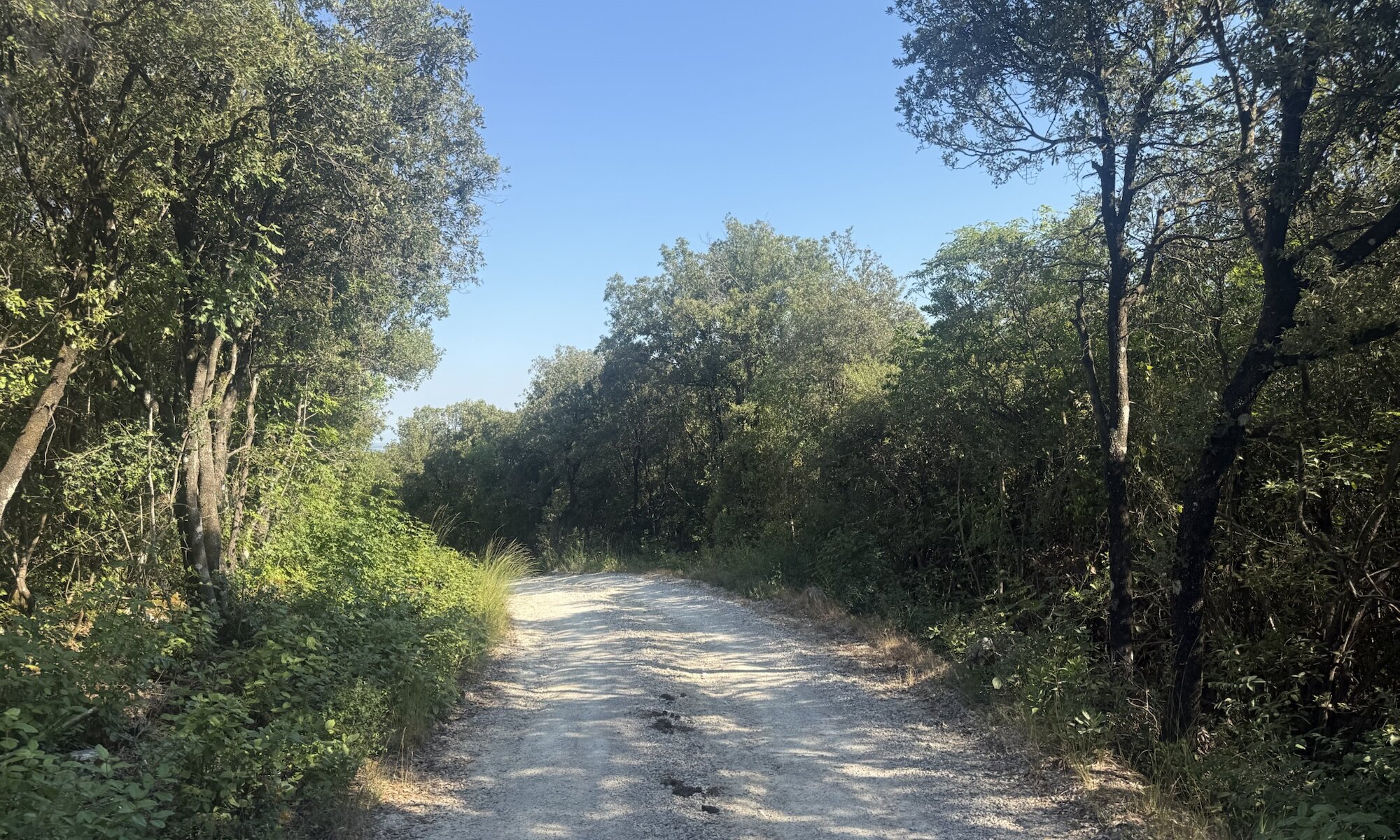
The Via Francigena is an ancient pilgrimage route that links Canterbury with Roma, with the option of continuing further south into Italy. It was created to provide a safer and more practical overland path for pilgrims, traders and travellers moving through medieval Europe, and it later became a major cultural itinerary rather than just a religious one.
It begins at Canterbury in England and ends in Roma, the traditional goal of the route. Historically, it followed a chain of towns, valleys and mountain passes across England, France, Switzerland and Italy, helping people move between the northern world and the Eternal City.
The Tuscan section is especially loved by hikers and cyclists because it combines gentle hills, cypress-lined tracks, quiet farm roads and a dense concentration of historic towns. In Tuscany, the route passes through places such as Lucca, San Gimignano and Siena, and it also runs through the valleys and countryside around the Val d’Elsa, the Chianti hills, the Val d’Arbia and the Val d’Orcia, where the scenery is at its most iconic.
What makes this stretch so appealing is the balance between landscape and culture: the walking is rewarding but not overly harsh, the cycling is scenic, and the route constantly threads through medieval streets, Romanesque churches and views that feel distinctly Tuscan. For many travellers, this section offers the strongest mix of beauty, heritage and variety, which is why it is often regarded as the most beloved part of the Via Francigena.
Via Francigena
Tuscany
Italy
Loading map...
