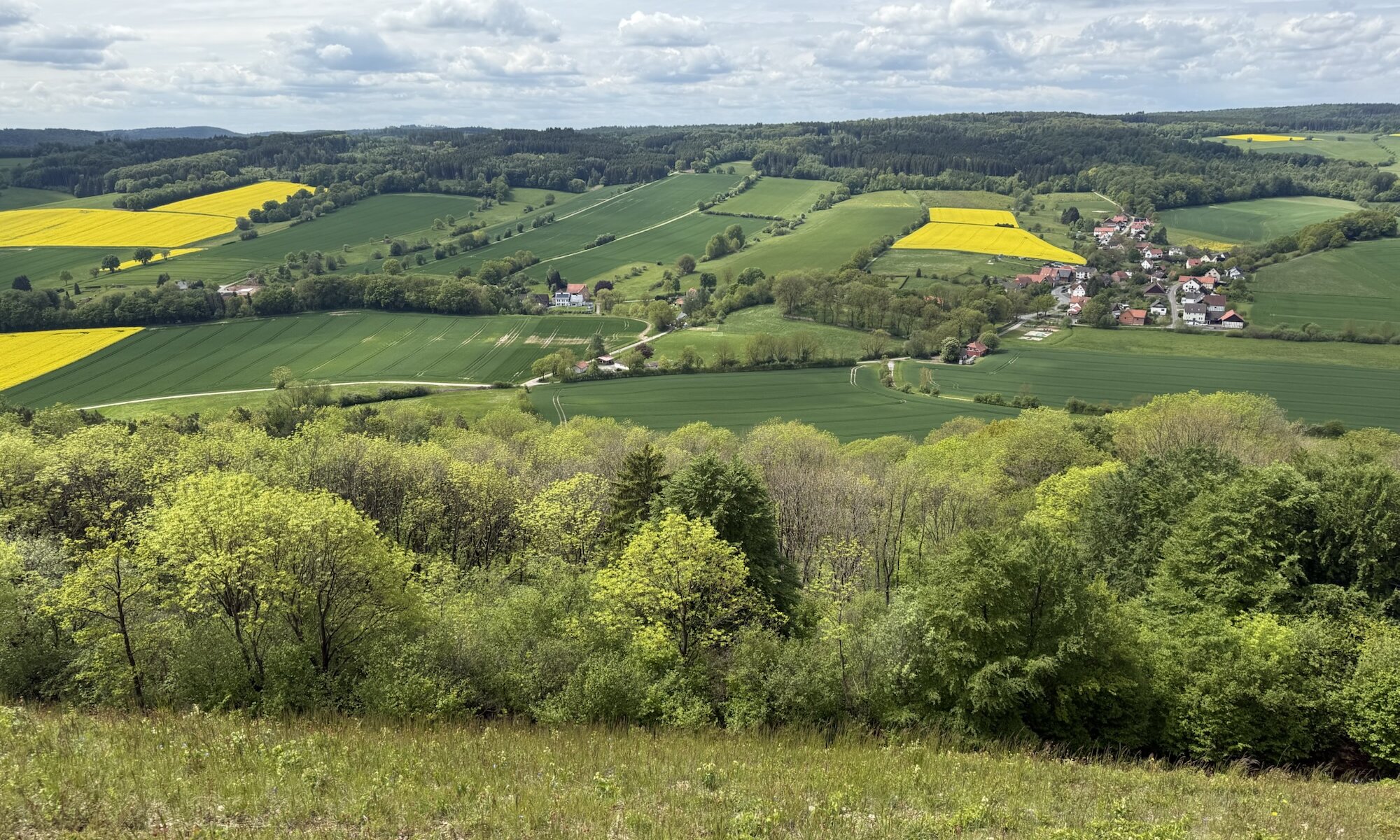
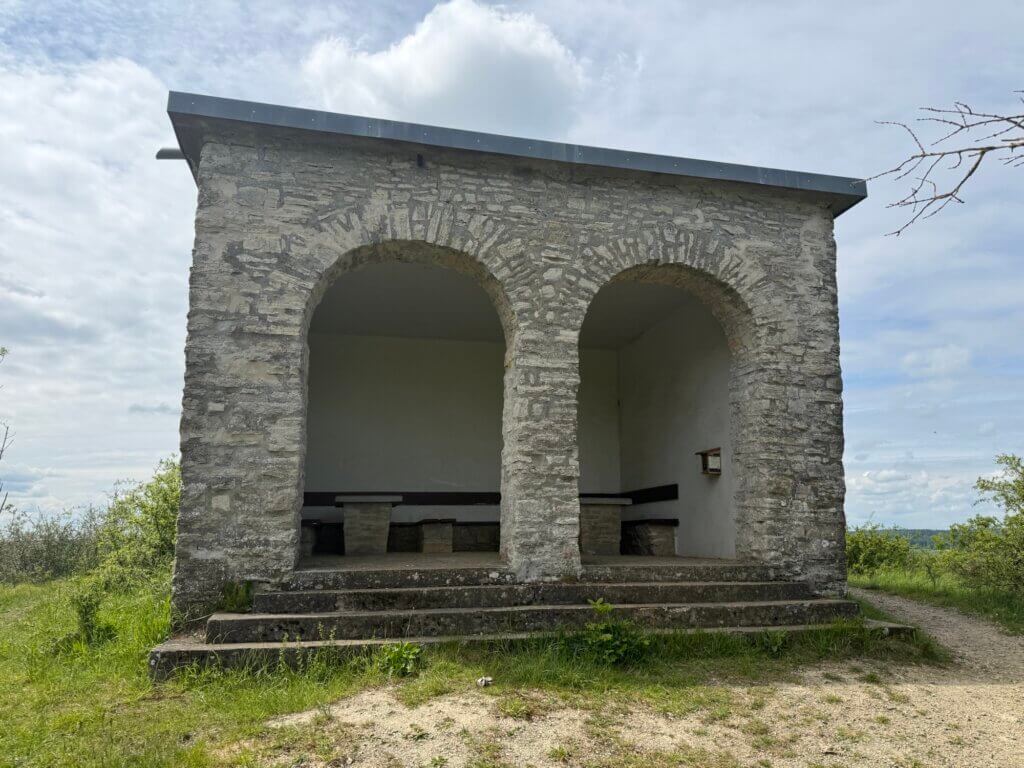
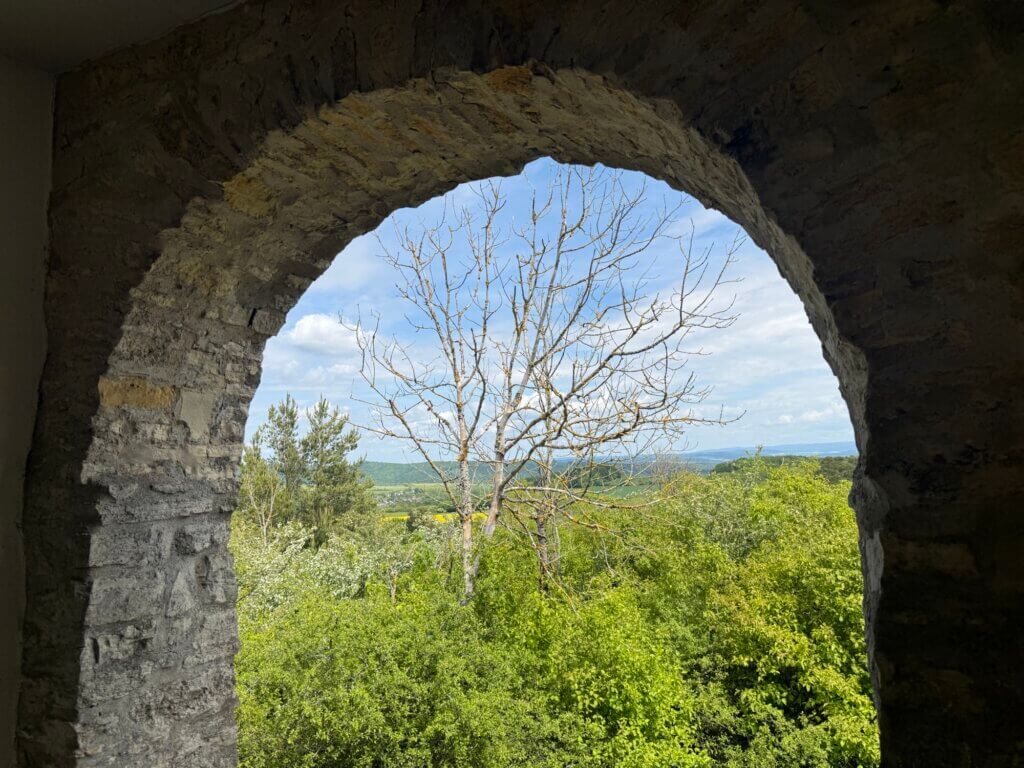
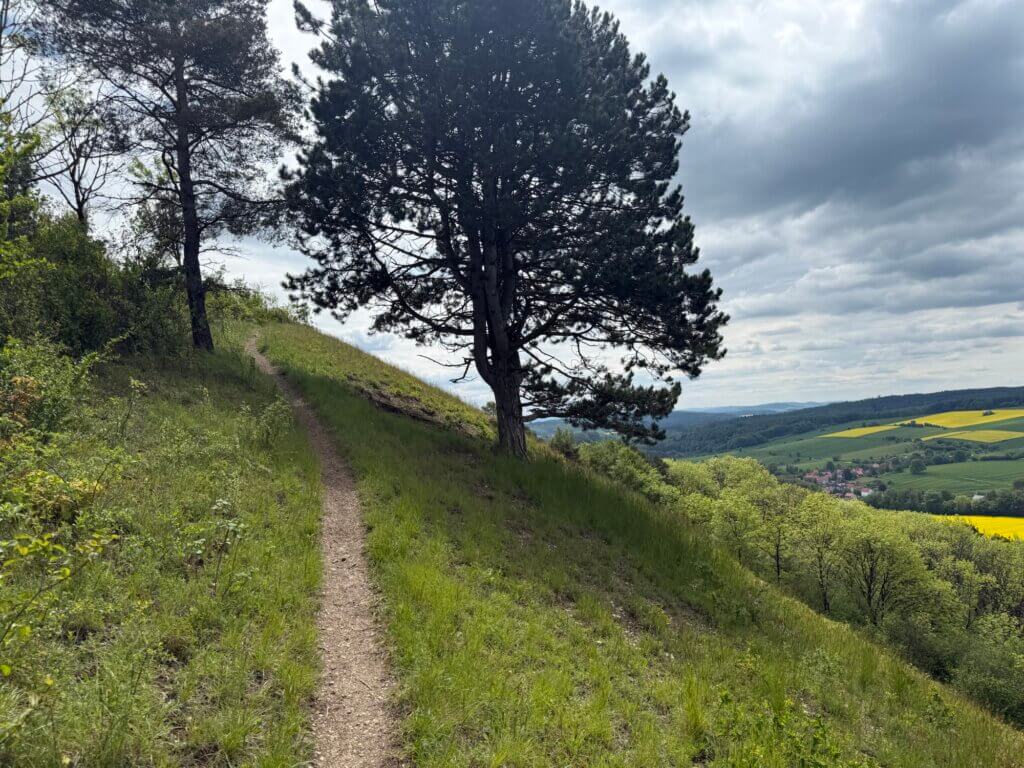
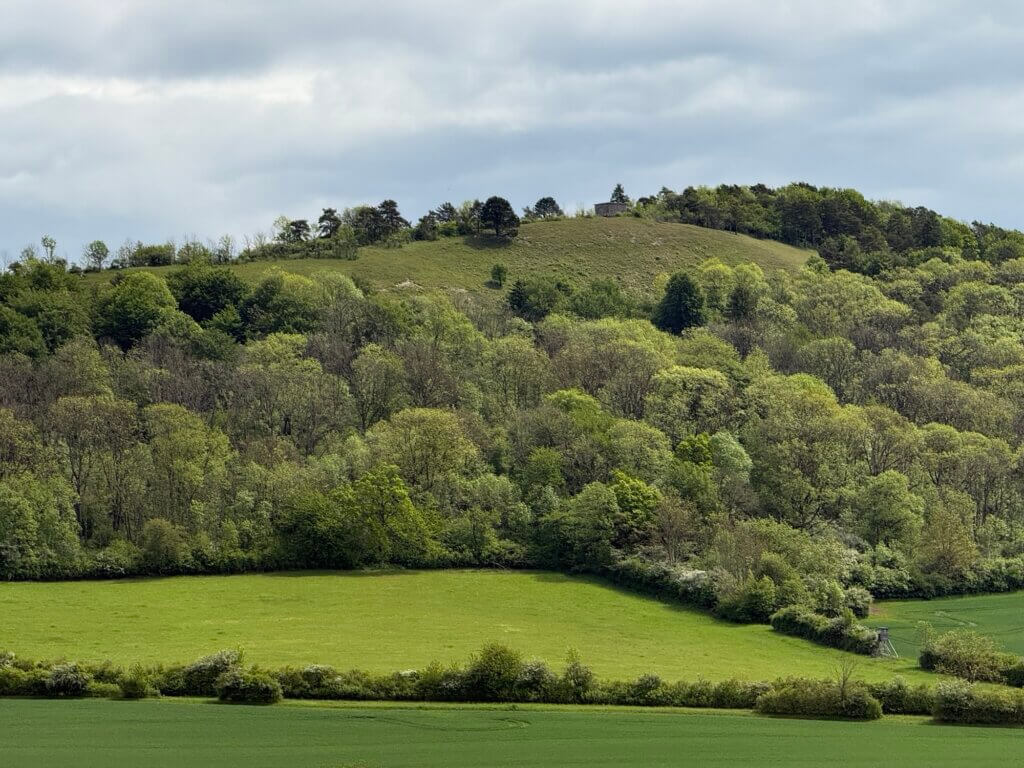
Perched high above the village of Üssinghausen, the Sohnreywarte – also known locally as the Sohnrey-Hütte – is a modest observation shelter rather than a grand tower. It sits on elevated ground at the edge of the Solling landscape, offering wide views over wooded hills and open countryside. The structure itself is simple and functional, stone-built with a covered seating area that invites walkers and hikers to pause. It was created in 1931 as a place of remembrance and quiet reflection, intended to honour Heinrich Sohnrey while also encouraging appreciation of the rural landscape he so often wrote about.
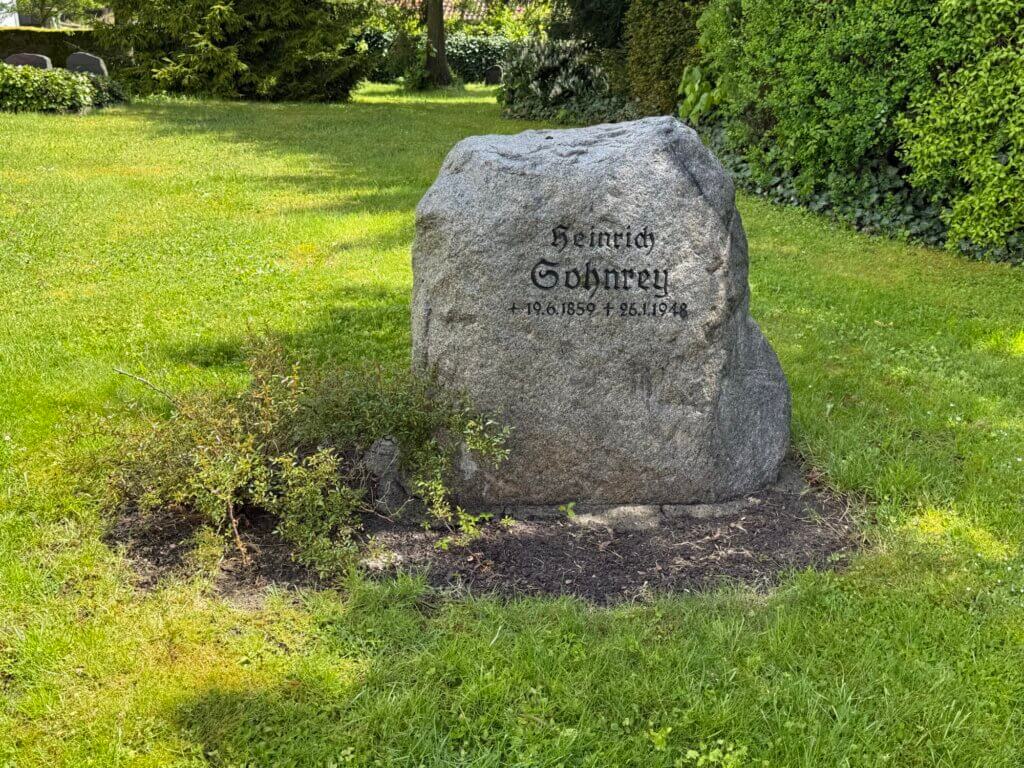
Heinrich Sohnrey was a German writer and social reformer who devoted much of his life to advocating for the welfare and development of rural communities. His work focused on improving living conditions in the countryside, promoting education, and strengthening local identity at a time when industrialisation was drawing many people into cities. Born in Jühnde, a village not far from Göttingen, he remained closely connected to the region throughout his life, and it is there that he was also laid to rest. His writings often combined storytelling with a clear social mission aimed at preserving and uplifting rural culture.
However, Sohnrey’s legacy is complicated by his relationship with National Socialism. Adolf Hitler publicly referenced one of Sohnrey’s works during a Reichsparteitag, using it to underline ideological themes aligned with the regime. Sohnrey was also awarded the ‘Adlerschild des Deutschen Reiches‘ in recognition of his contributions, a distinction granted under Nazi rule. Furthermore, he was among the 88 writers who signed the ‘Gelöbnis treuester Gefolgschaft‘, a declaration of unwavering loyalty to Hitler. These associations place him, at least in part, within the cultural framework that supported the regime.
Today, across the region between Göttingen and the Solling, numerous streets, schools, and landmarks – such as the Sohnreywarte – bear his name. Given the anti-Semitic and nationalist elements present in parts of his work, as well as his documented alignment with National Socialism, there is an ongoing argument that such commemorations should be reconsidered. Renaming these places would reflect a more critical engagement with history and a clearer distancing from the ideological context in which Sohnrey operated.
Sohnreyhütte / Sohnreywarte
Nienhagen
Moringen
Germany
Frank Möbus: In Sachen Heinrich Sohnrey (2011, German).
Loading map...
