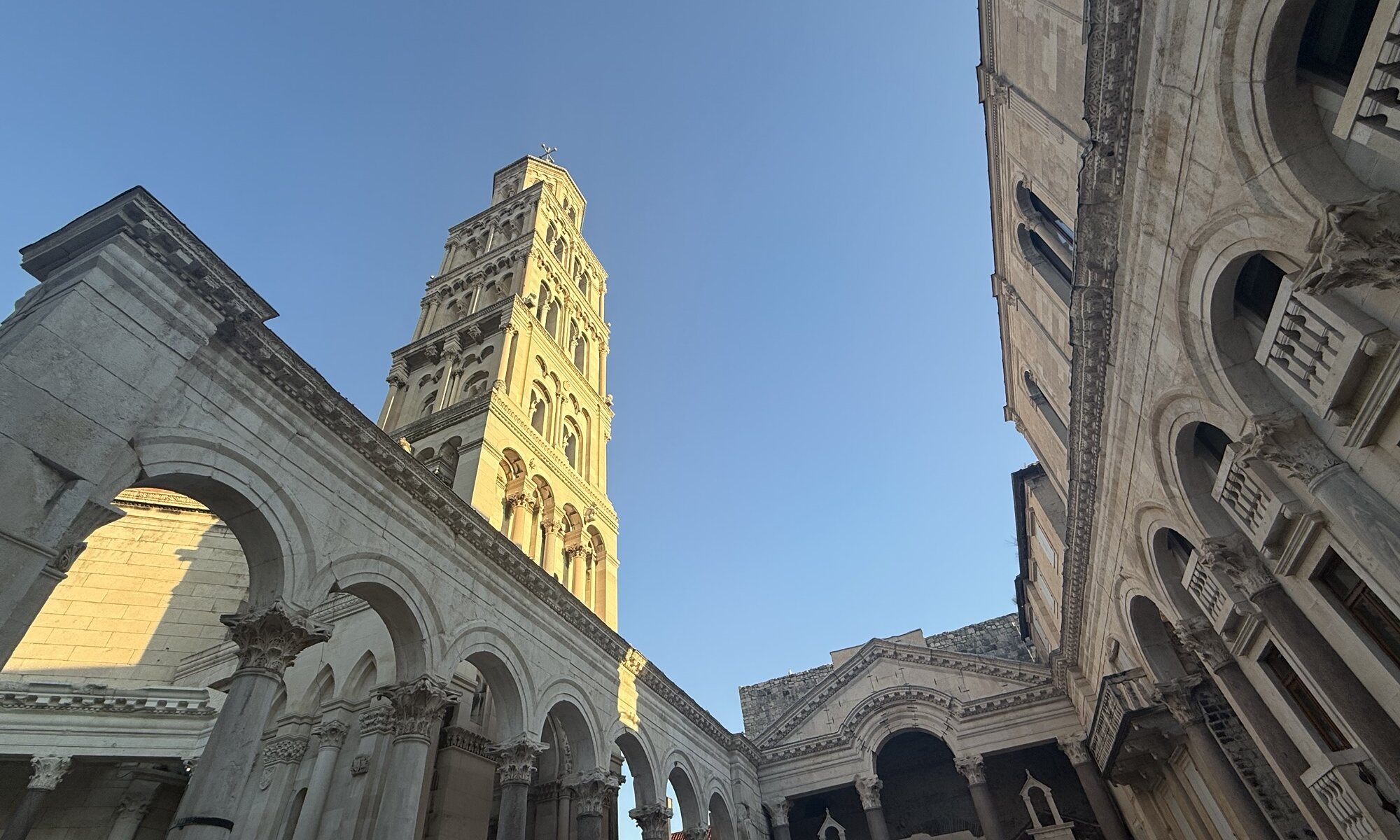
Diocletian’s palace in Split began as a vast Roman retirement residence, built for Emperor Diocletian at the end of the 3rd and start of the 4th century. He chose the site near his birthplace in Dalmatia, and the complex was designed as both a fortified palace and an imperial home, with temples, courtyards, and ceremonial spaces fitting for a ruler of his status.
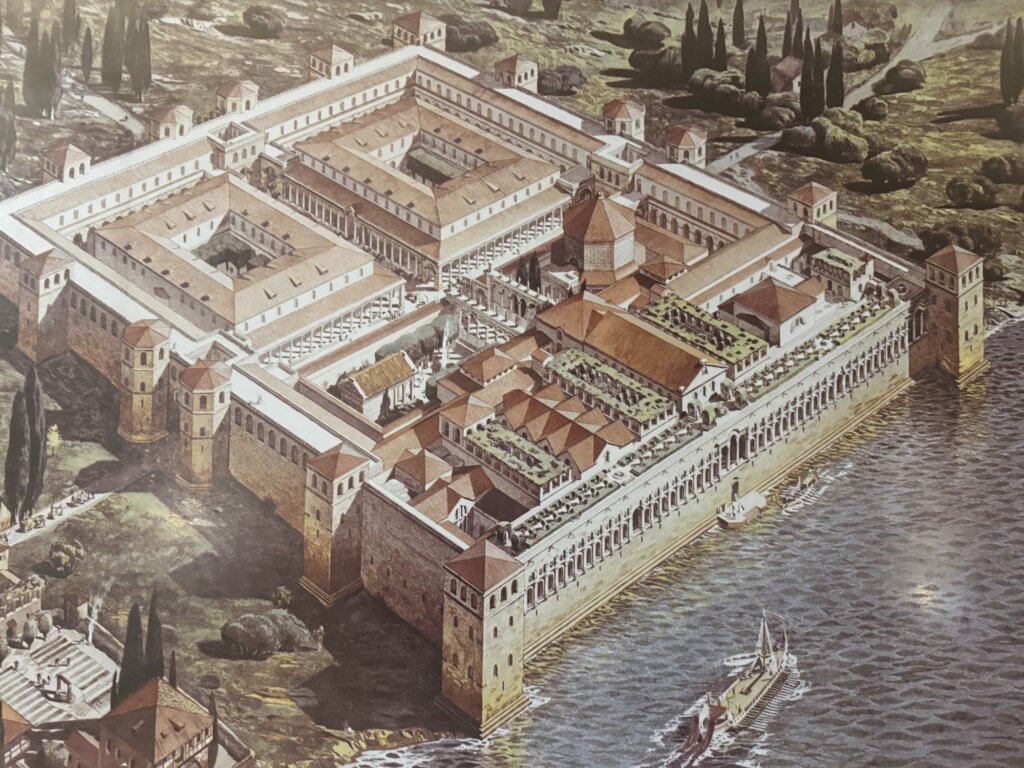
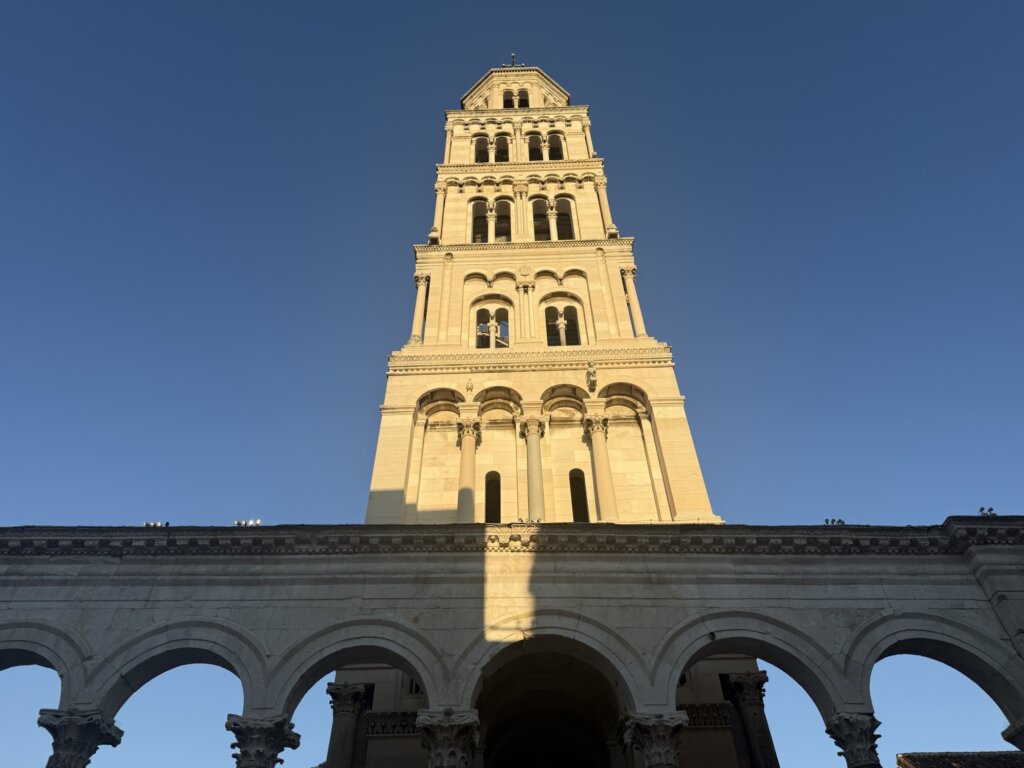
What makes it so fascinating today is that it never became a ruin in the usual sense; instead, it slowly turned into the living core of Split. After the Roman period, people from nearby Salona took refuge inside its walls, adapted the old buildings for homes and workshops, and helped create the medieval city that grew within the ancient structure.
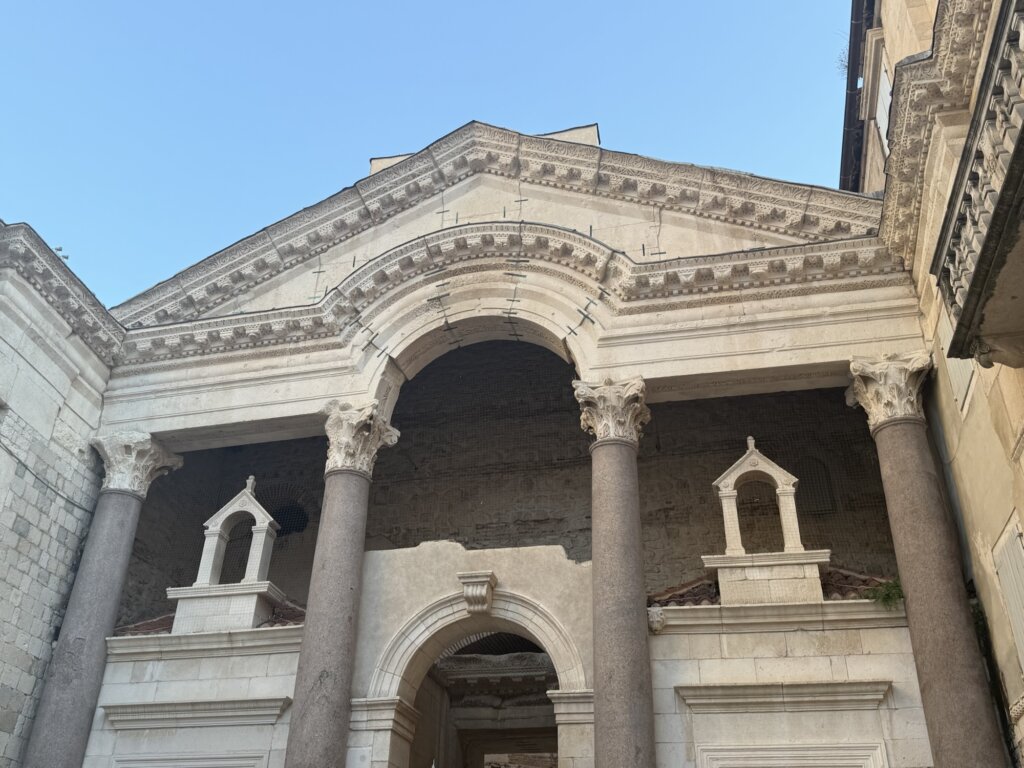
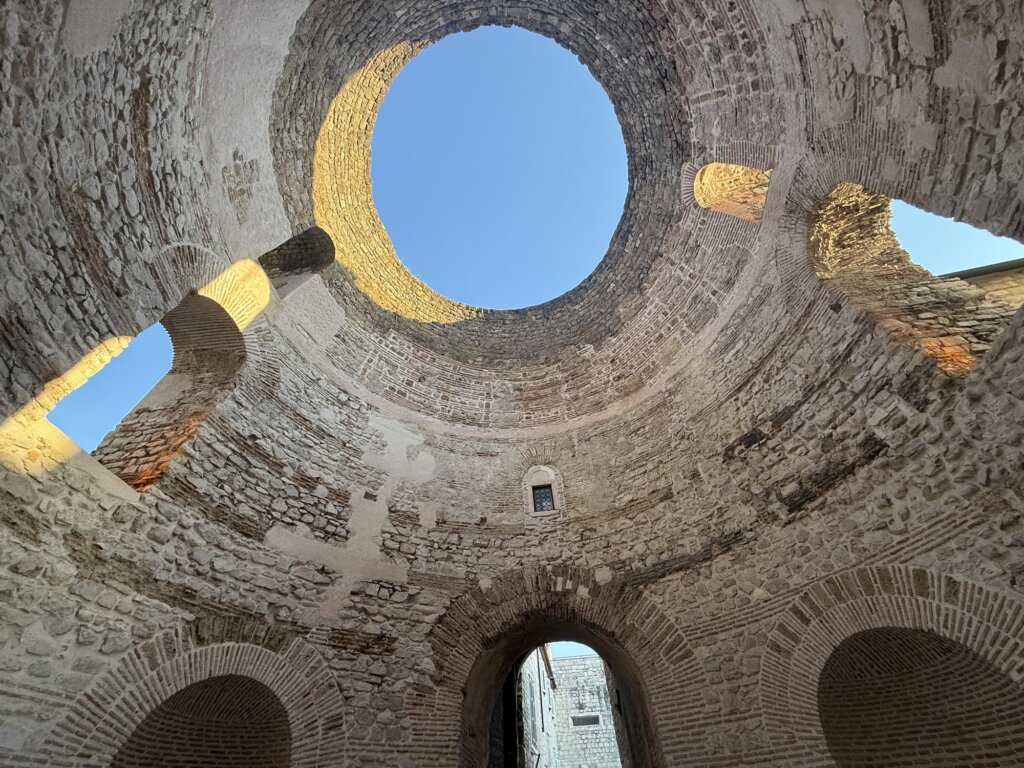
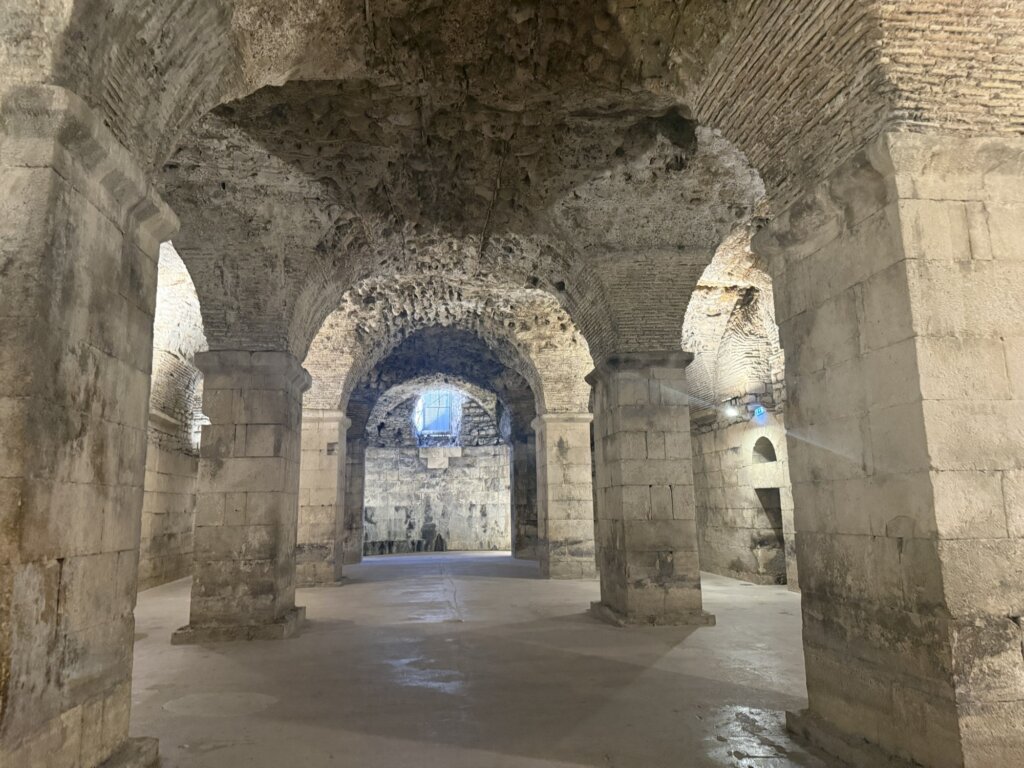
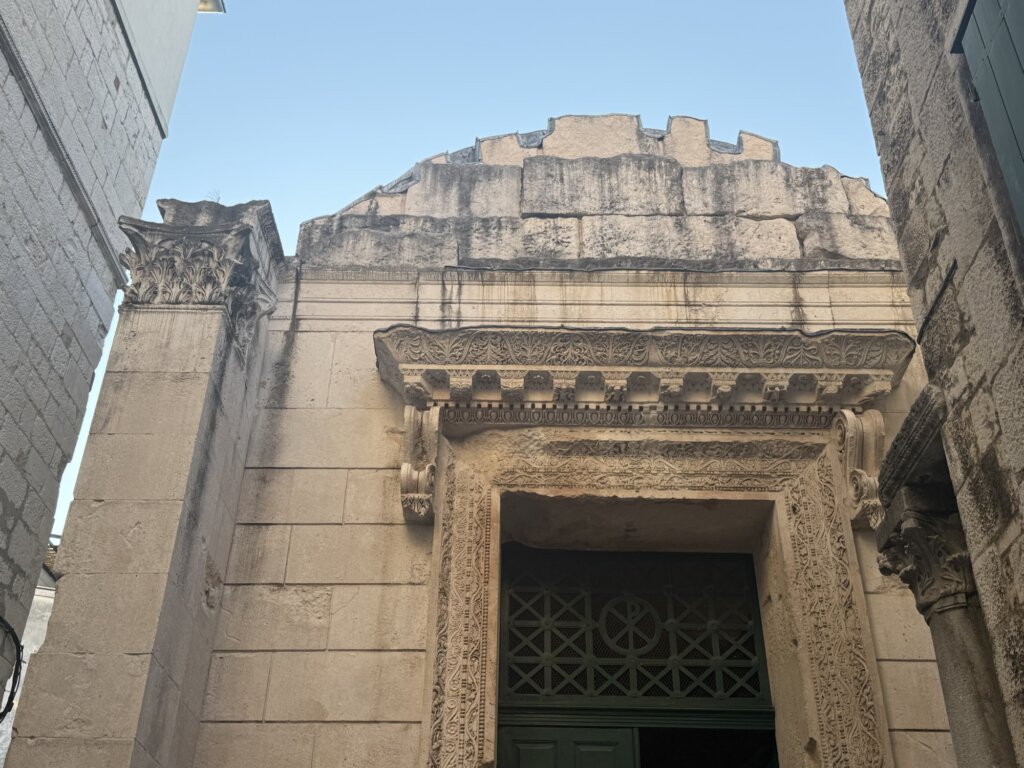
You can still visit the most important surviving parts, especially the Peristyle, the underground cellars, and the old gates, including the Silver Gate. The most famous building is the Cathedral of St. Domnius, which began life as Diocletian’s mausoleum, while the former Temple of Jupiter is now used as the baptistery.
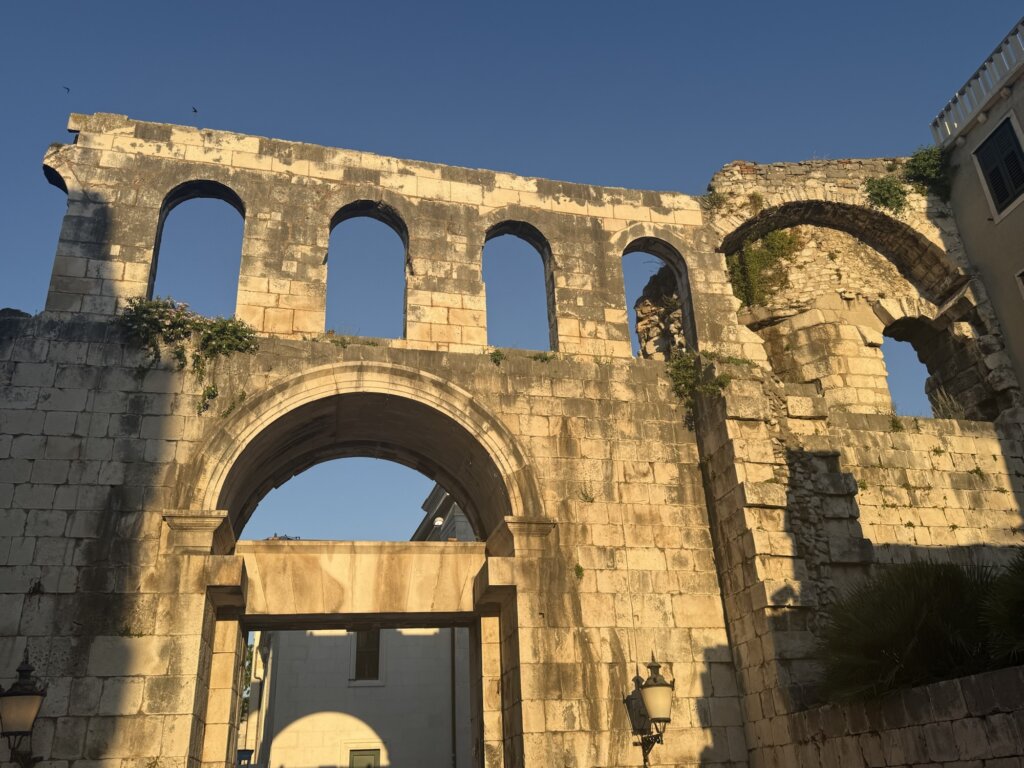
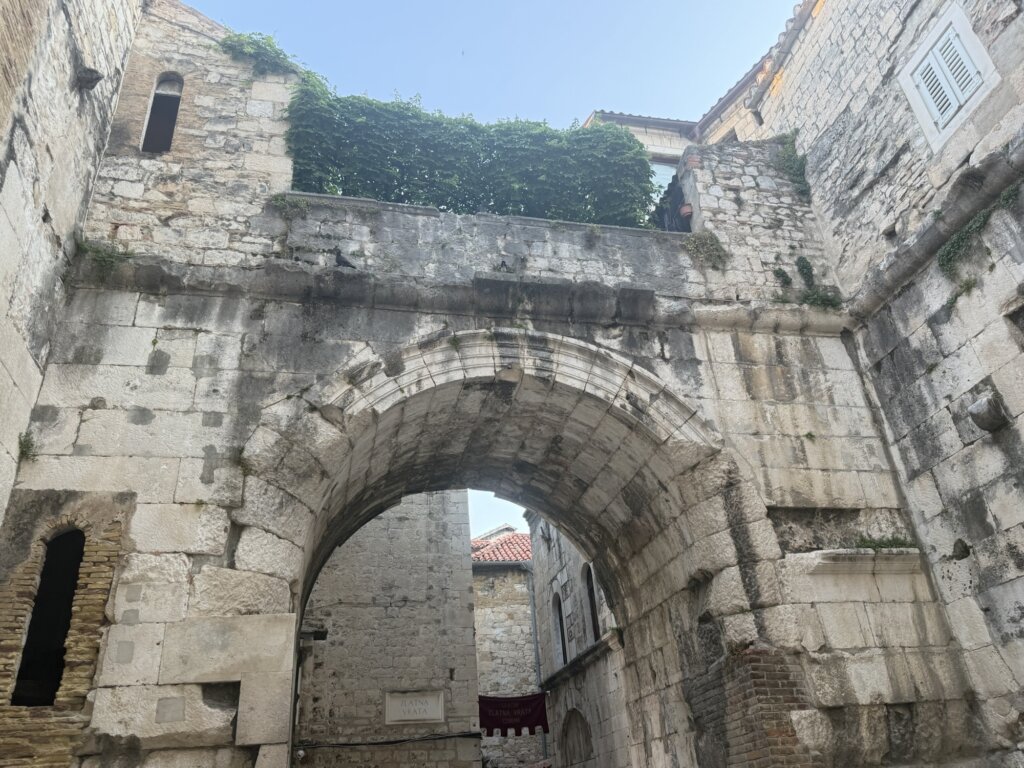
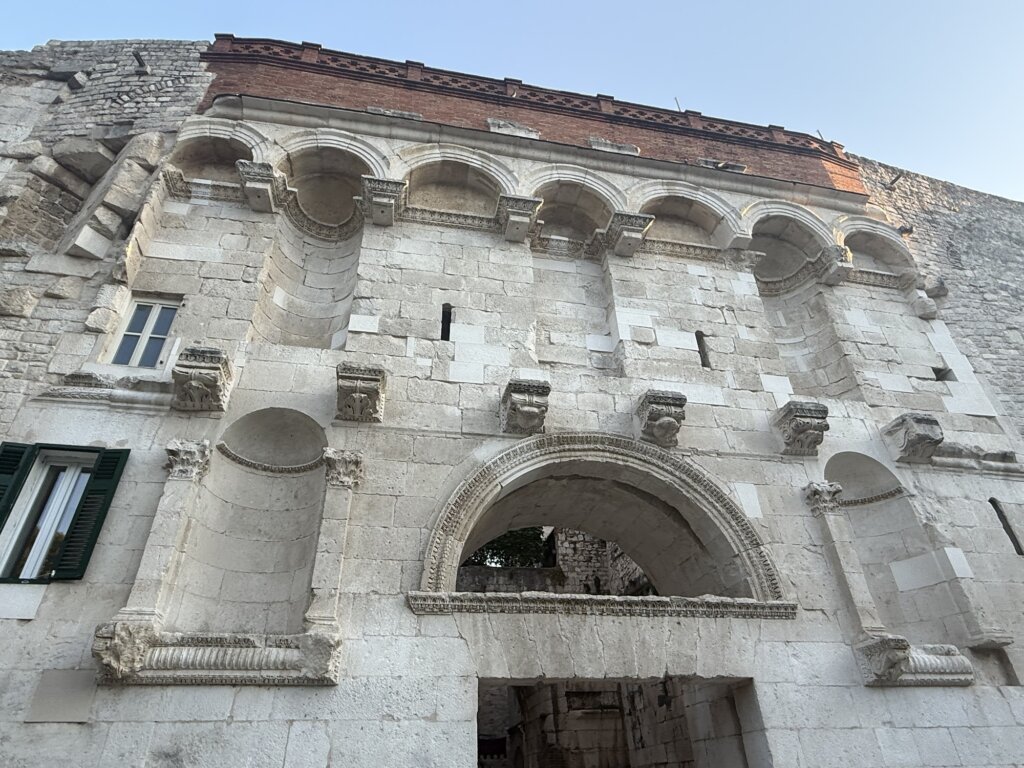
A walk through the palace area also brings you into streets full of cafés, shops, apartments, and small museums, so it feels more like a lived-in quarter than an open-air monument. That is exactly its charm: you are not just looking at Roman remains, but moving through a place where layers of history still shape daily life, from antiquity to the present.
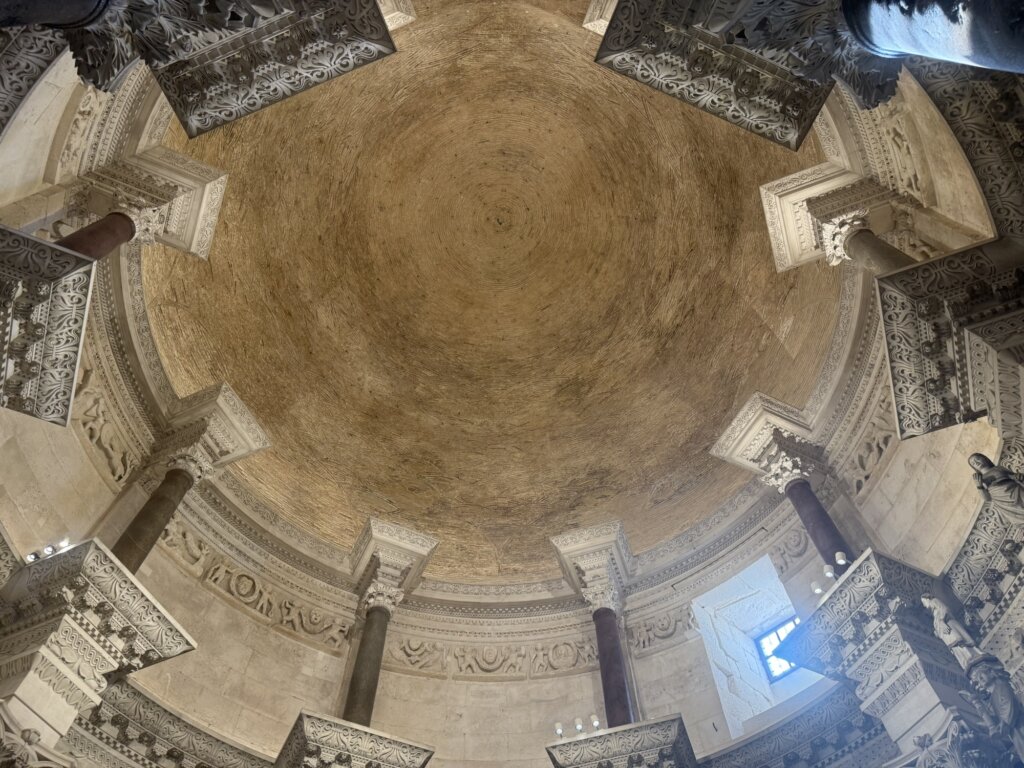
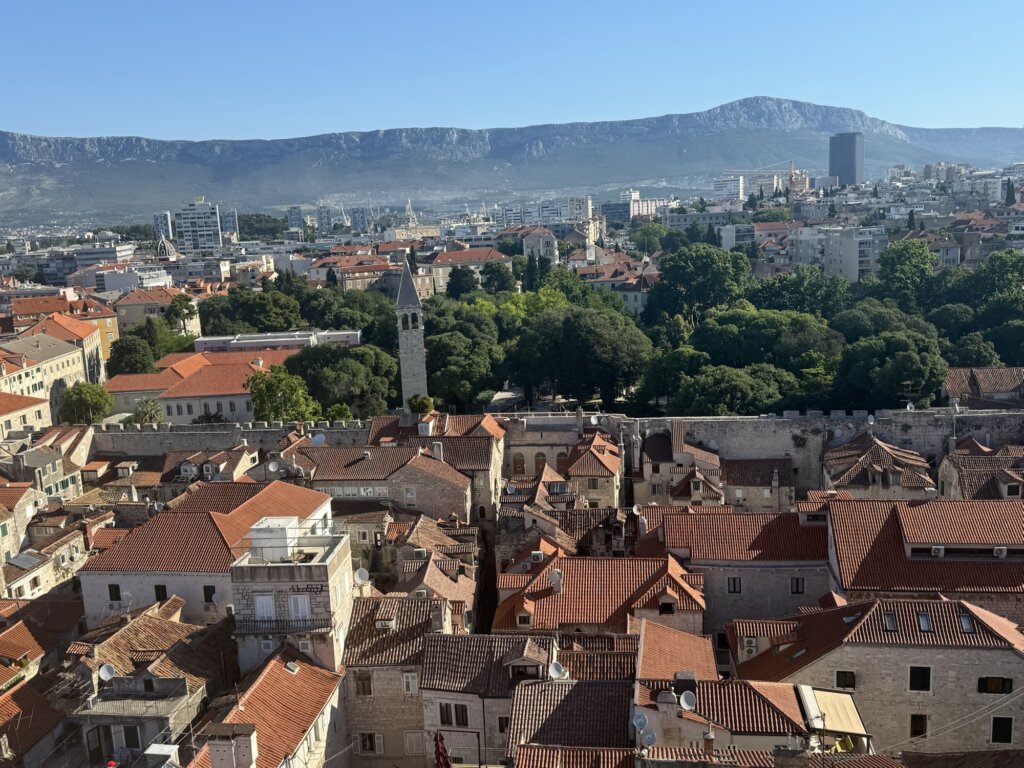
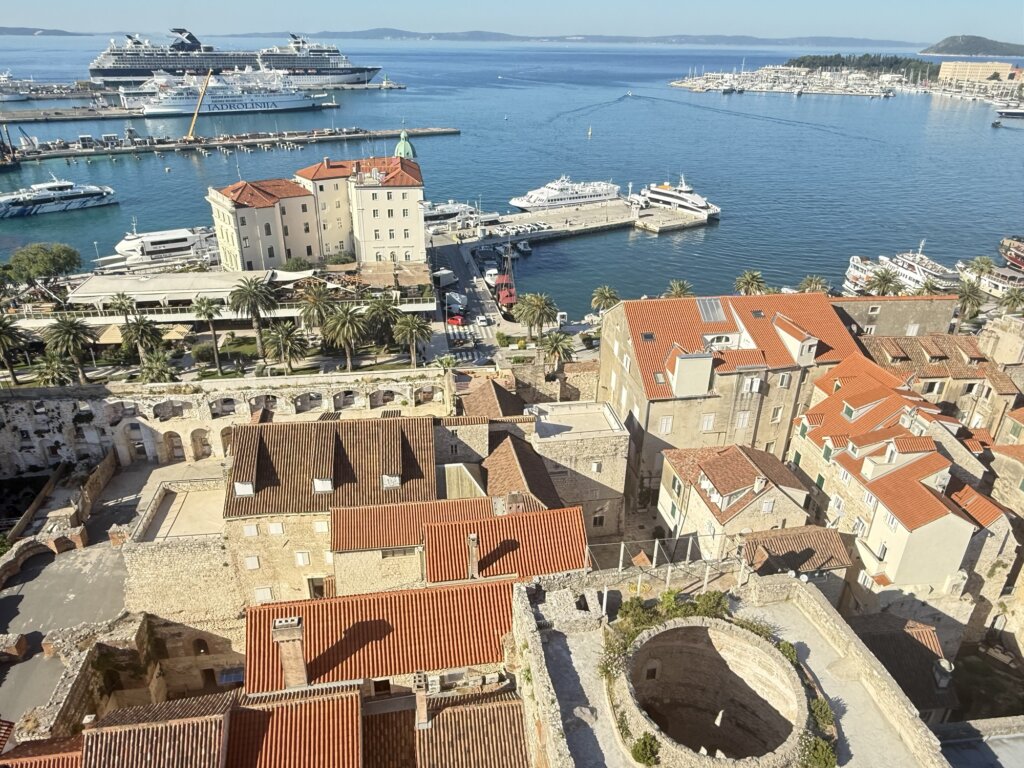
Diocletian’s palace
Split
Croatia
Loading map...
