Loy Krathong is one of Thailand’s most enchanting and culturally significant festivals, celebrated annually with great enthusiasm across the country. The name ‘Loy Krathong’ translates to ‘floating basket’, referring to the small decorated rafts made from banana leaves, flowers, candles, and incense sticks that people release onto bodies of water. This festival is a beautiful expression of gratitude and respect towards the water goddess, Phra Mae Khongkha, and coincides with the full moon night of the 12th lunar month, usually falling in November. It symbolises renewal, forgiveness, and letting go of misfortune from the past year.
During the evening of Loy Krathong, families and communities gather near rivers, canals, ponds, or lakes to partake in the ritual of sending their krathongs adrift. The sight is truly magical as countless flickering candles float gently on the water’s surface, accompanied by the soft scent of incense. The atmosphere is filled with a sense of serenity and hope, as each person makes a silent wish while releasing their floating basket. In many places, cultural performances, traditional music, and dance often accompany the festivities, making the night both spiritually moving and joyful.
The captivating sky lanterns, known locally as ‘khom loi’, are another highlight of the festival, especially in Northern Thailand. These lanterns, made from rice paper stretched over a bamboo frame, are filled with warm air from a small flame, causing them to rise gracefully into the sky. Their origins link back to ancient Lanna traditions in the region, where releasing lanterns symbolised the sending away of misfortunes and the welcoming of good luck. Watching hundreds of glowing lanterns ascend at once is an unforgettable experience that enhances the festival’s magical and celestial ambiance.
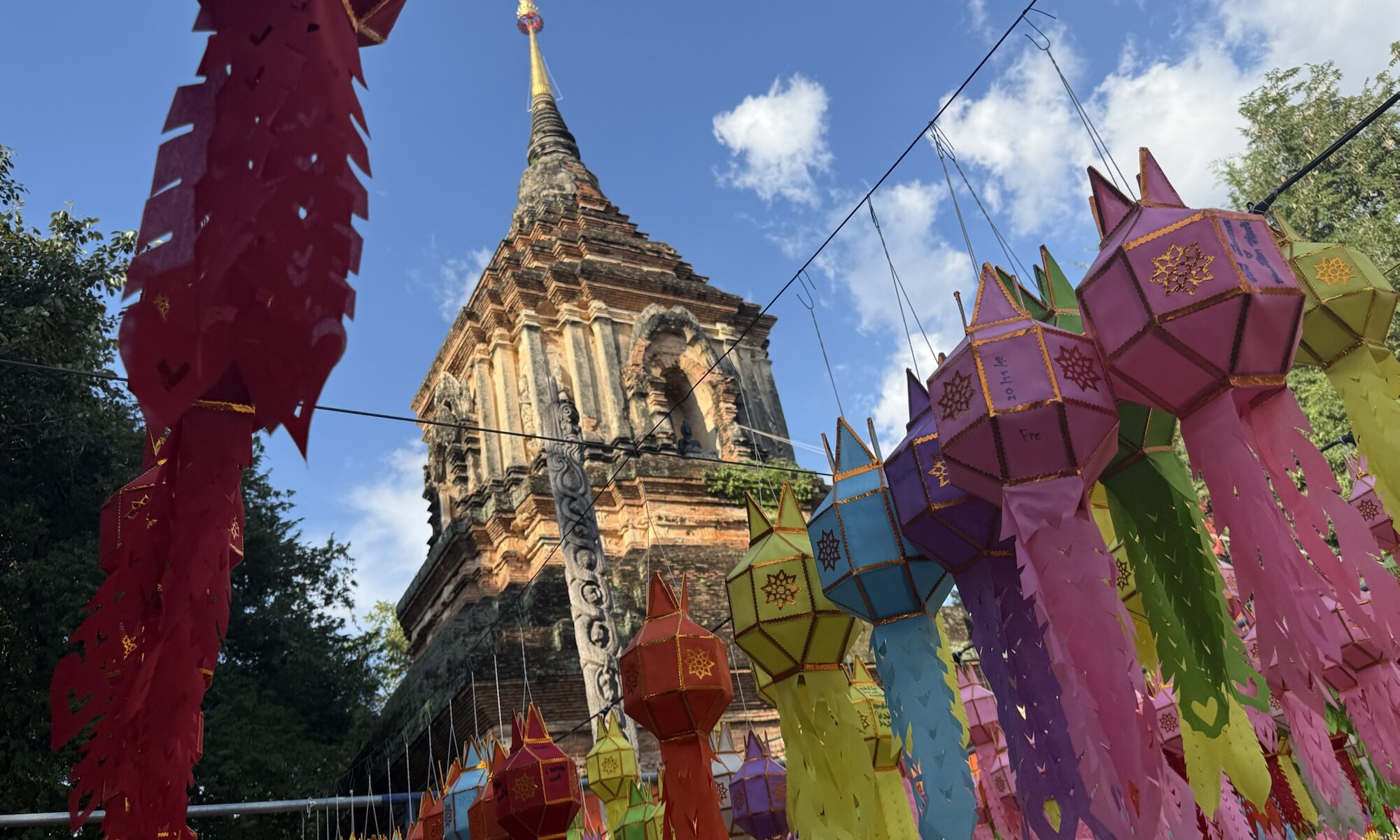
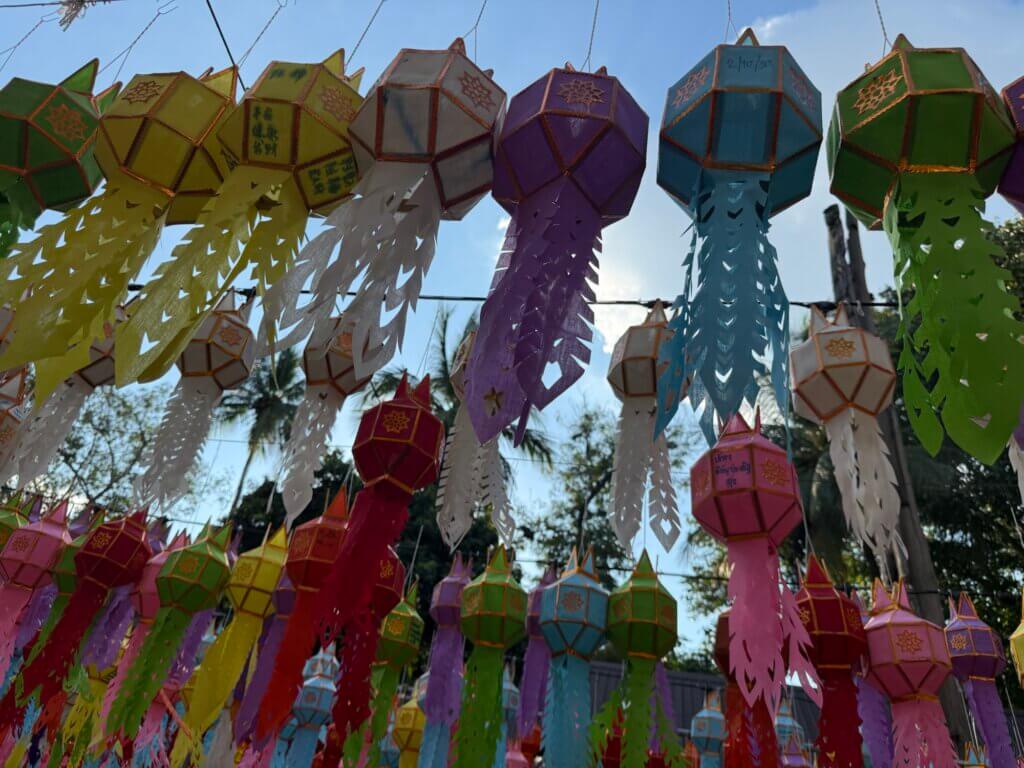
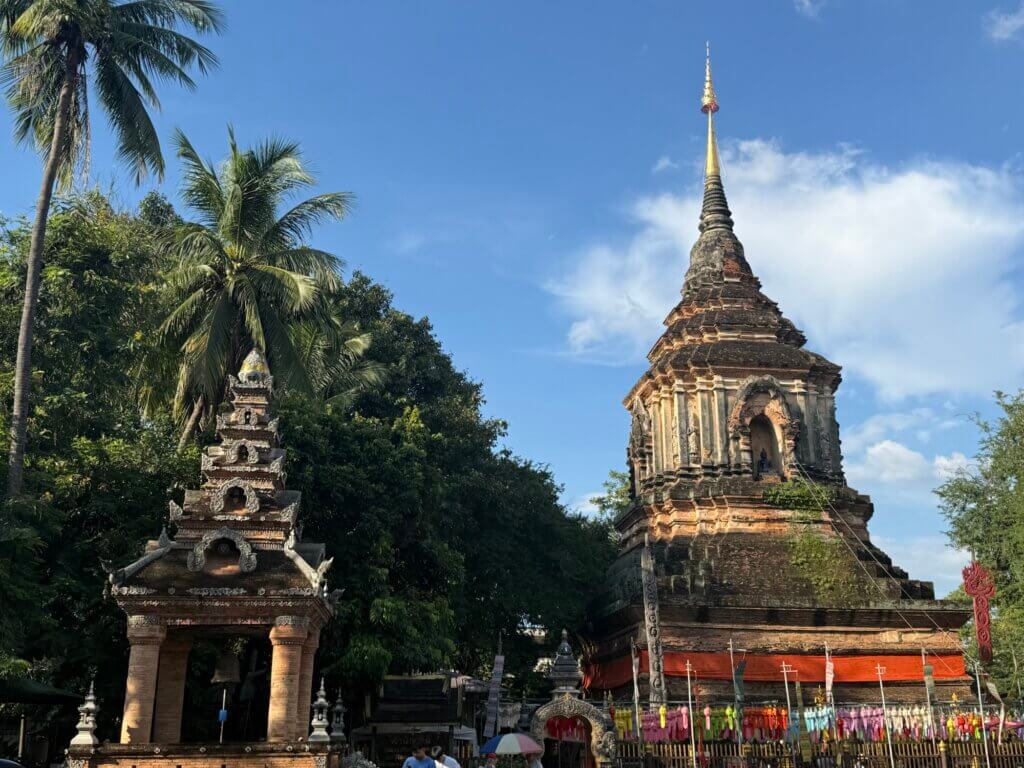
In preparation for Loy Krathong, one might notice colourful banderolas, or fluttering flags, adorning the stupas and temple grounds. These decorative cloth strips are traditionally believed to invite blessings and spiritual protection while enhancing the festive atmosphere. The banderolas also serve as symbols of respect to the Buddha and the sacred spaces, marking the temple precincts as ready to receive offerings and prayers during the celebrations. Together, these elements weave a vibrant tapestry of cultural rituals that embody community, spirituality, and the timeless allure of Loy Krathong.
Wat Lok Molee
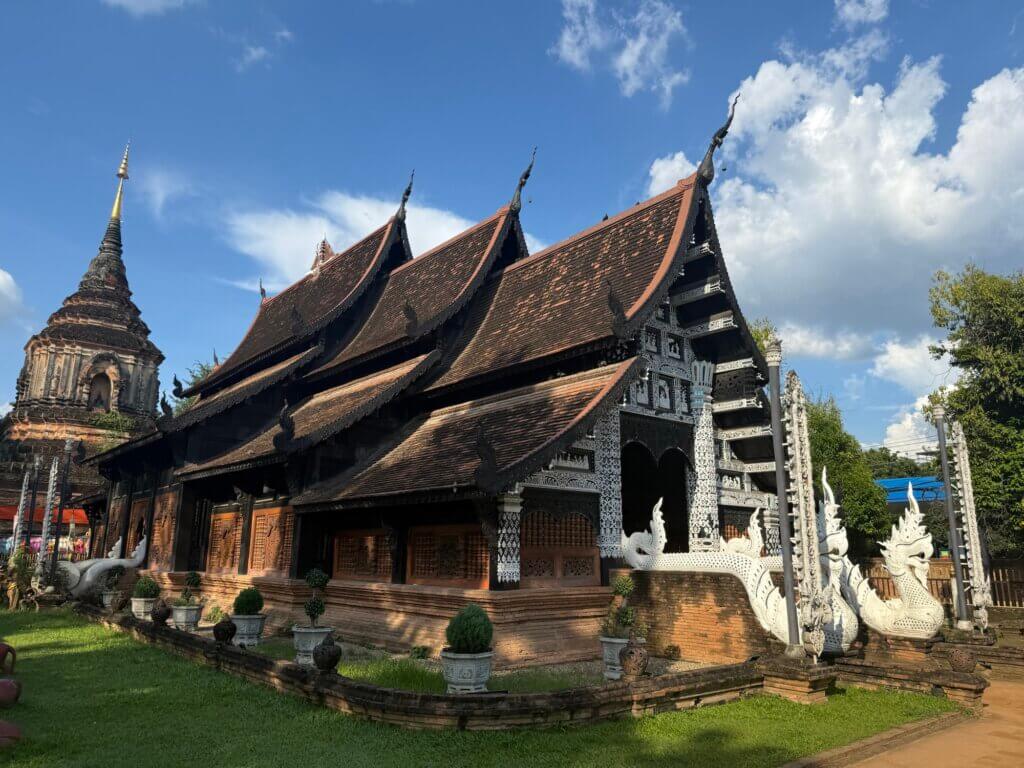
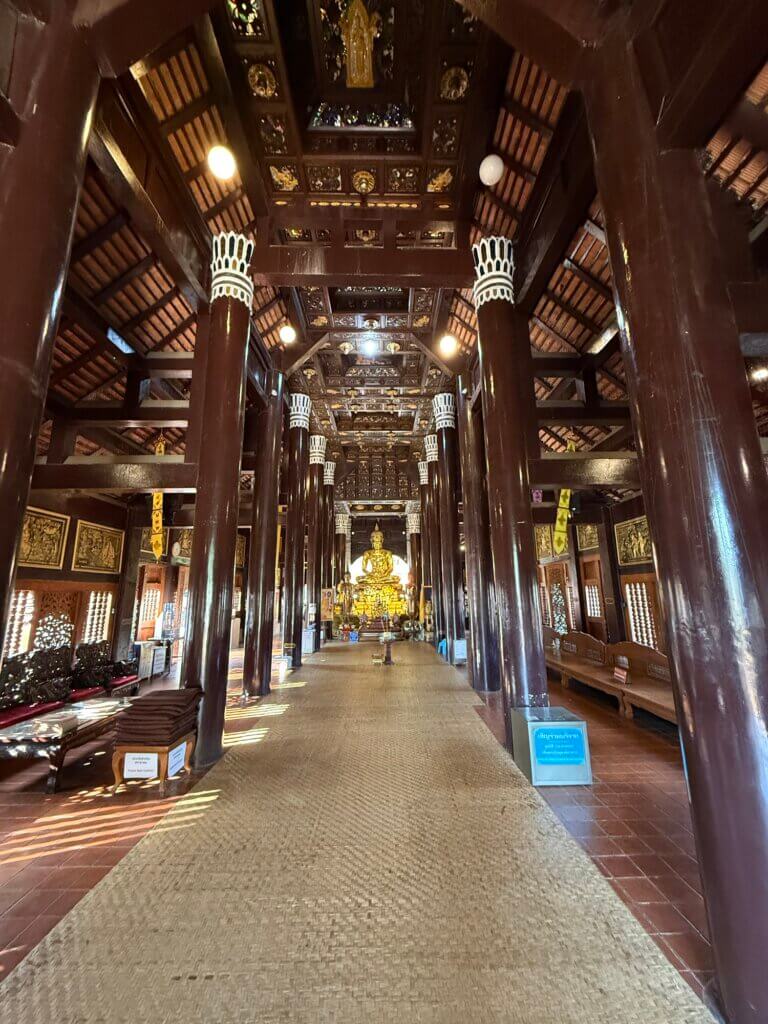
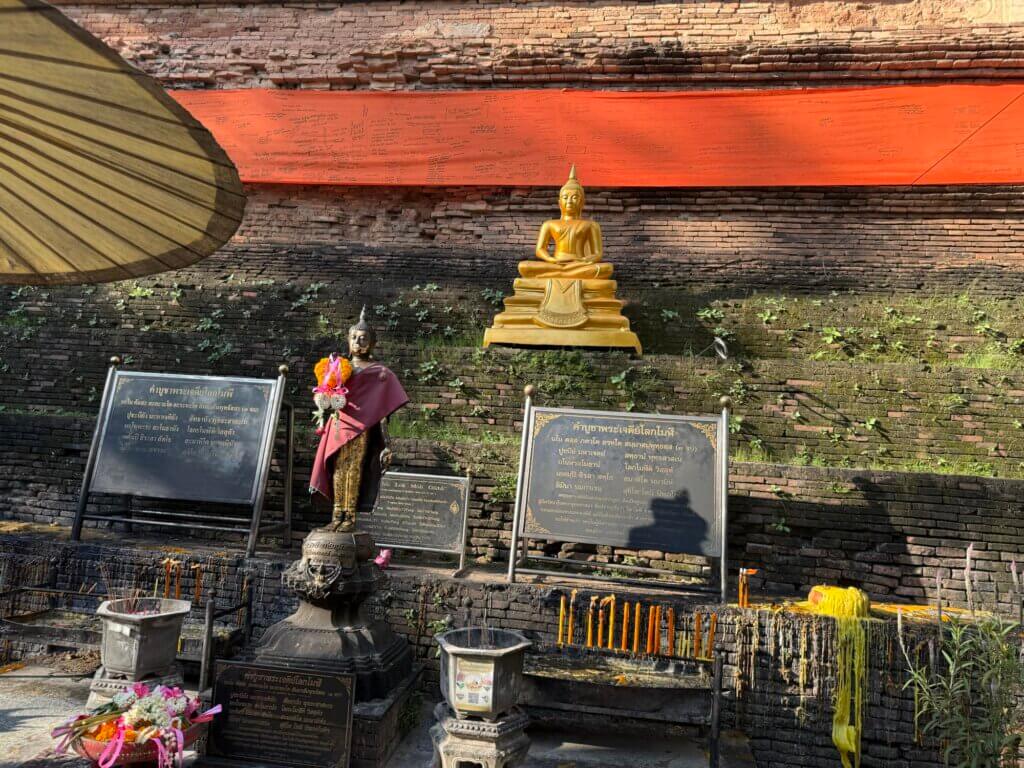
Wat Lok Molee in เชียงใหม่ presents itself as an enchanting blend of Lanna history and artistry, reflecting the refined taste of the northern Thai kingdom from centuries past. The temple’s origins trace back to the early 16th century under the reign of King Phra Muang Kaeo, making it one of the city’s oldest surviving structures. Historically, Wat Lok Molee was a royal monastery, known for its well-preserved classic Lanna architecture that captures the serene and spiritual essence of its era.
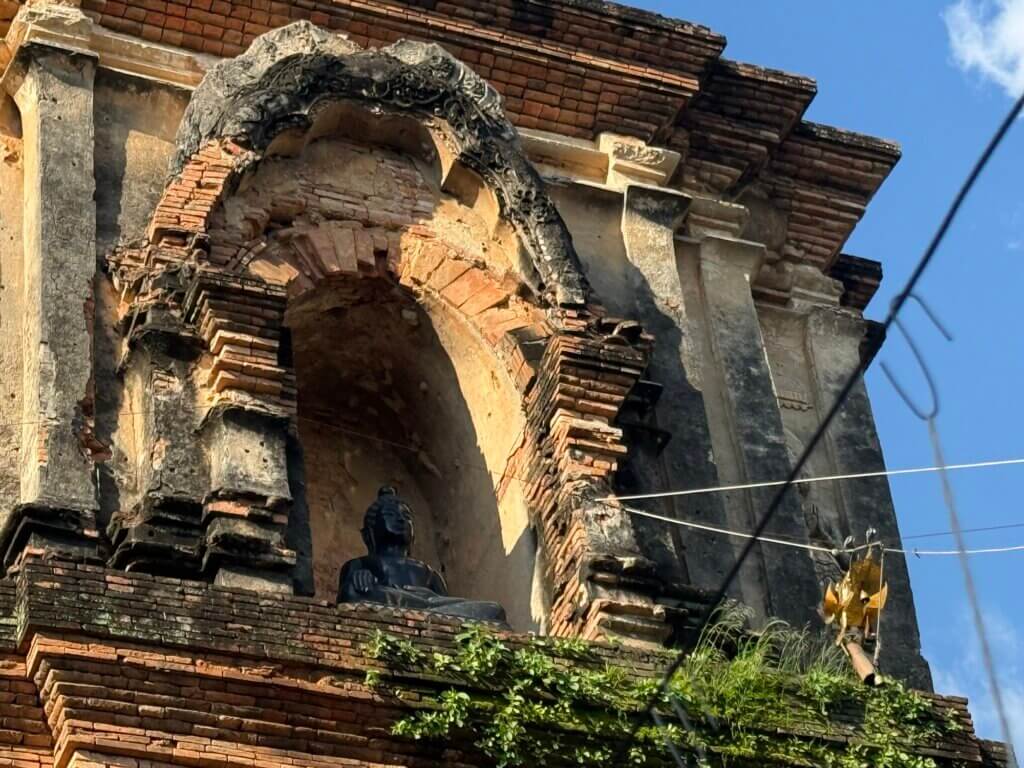
Today, visitors are greeted by intricate wooden carvings and elaborately decorated viharns (assembly halls), rich with gold leaf and colourful murals depicting Buddhist cosmology and local folklore. The temple grounds soar with the gentle presence of a spacious courtyard where statues of revered monks and guardian lions stand watch. The stupa, or chedi, is a striking feature, boasting the distinct tiered design typical of Lanna style, topped with a graceful spire that draws the eyes heavenward. The entire atmosphere blends peace, sacredness, and timeless artistry, inviting contemplation and admiration.
Among Wat Lok Molee’s more curious and engaging features is a traditional ropeway system used to lift water to the stupa. This ingeniously simple contraption allows water to be pulled up manually along a series of pulleys and ropes to irrigate plants growing atop the stupa itself – a charming example of how nature and spirituality harmonise in this temple. The plants thrive with the water carefully drawn up by hand, adding a unique living element to the historic chedi, which makes Wat Lok Molee stand out as a place where history, devotion, and practical tradition intertwine beautifully.
Wat Lok Molee
เชียงใหม่
Thailand
Loading map...
