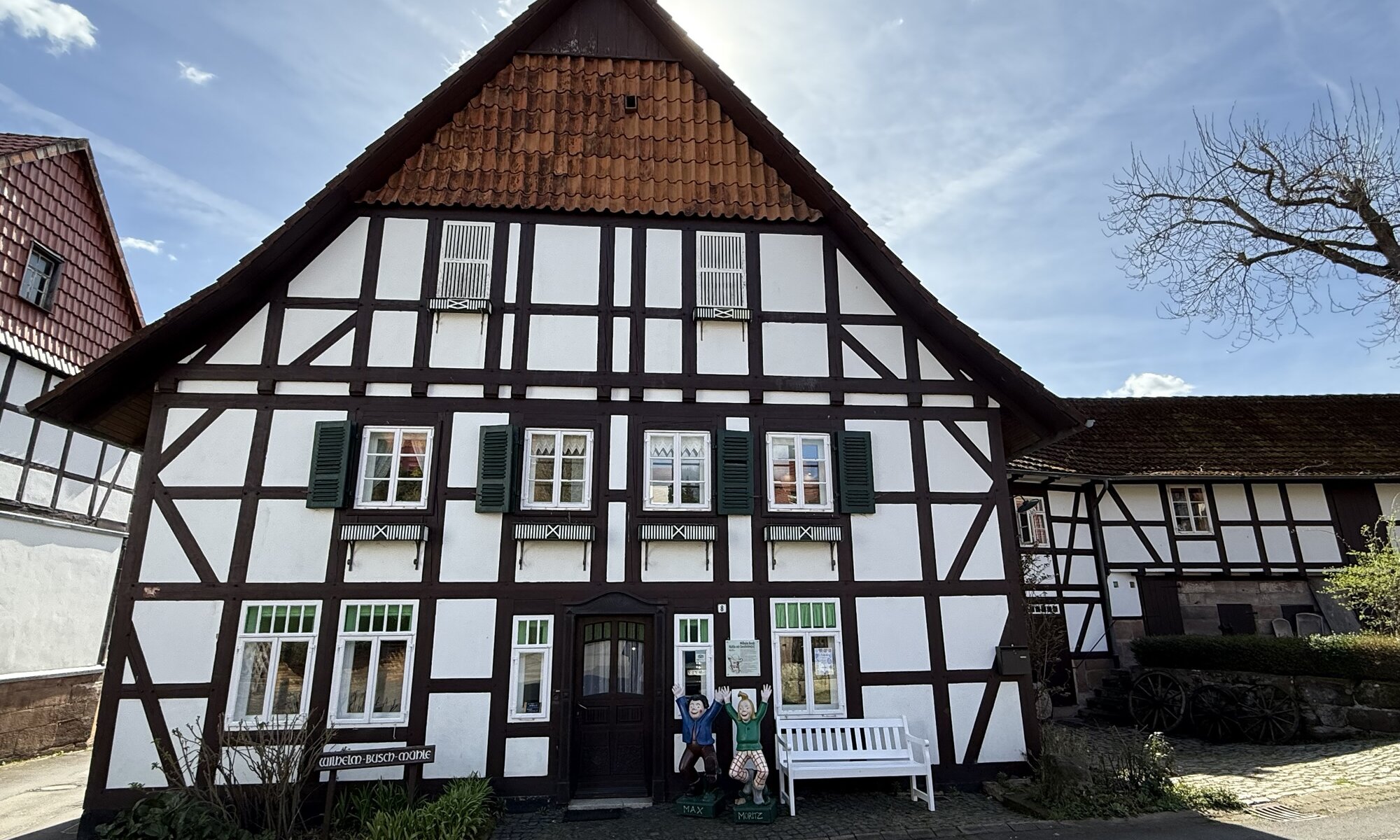
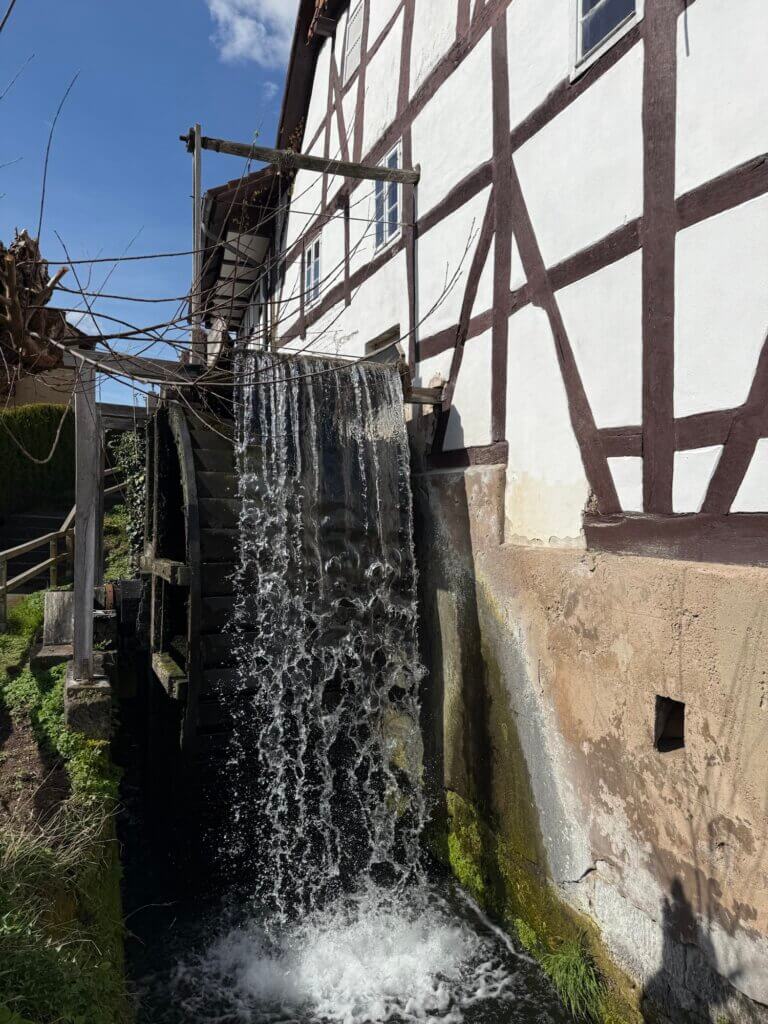
Nestled in the charming village of Ebergötzen in Niedersachsen lies the Wilhelm-Busch-Mühle, a picturesque watermill steeped in cultural history. Surrounded by gentle countryside and framed by the rhythmic whisper of its millstream, this restored site evokes the atmosphere of 19th-century rural Germany. It’s more than just a museum – it’s a living tribute to the friendship between Wilhelm Busch and Erich Bachmann, the miller’s son, with whom the young Busch spent lively days exploring the forests and meadows nearby. The mill still retains its rustic authenticity, allowing visitors to imagine the clatter of cogs and the scent of fresh flour that once filled the air.
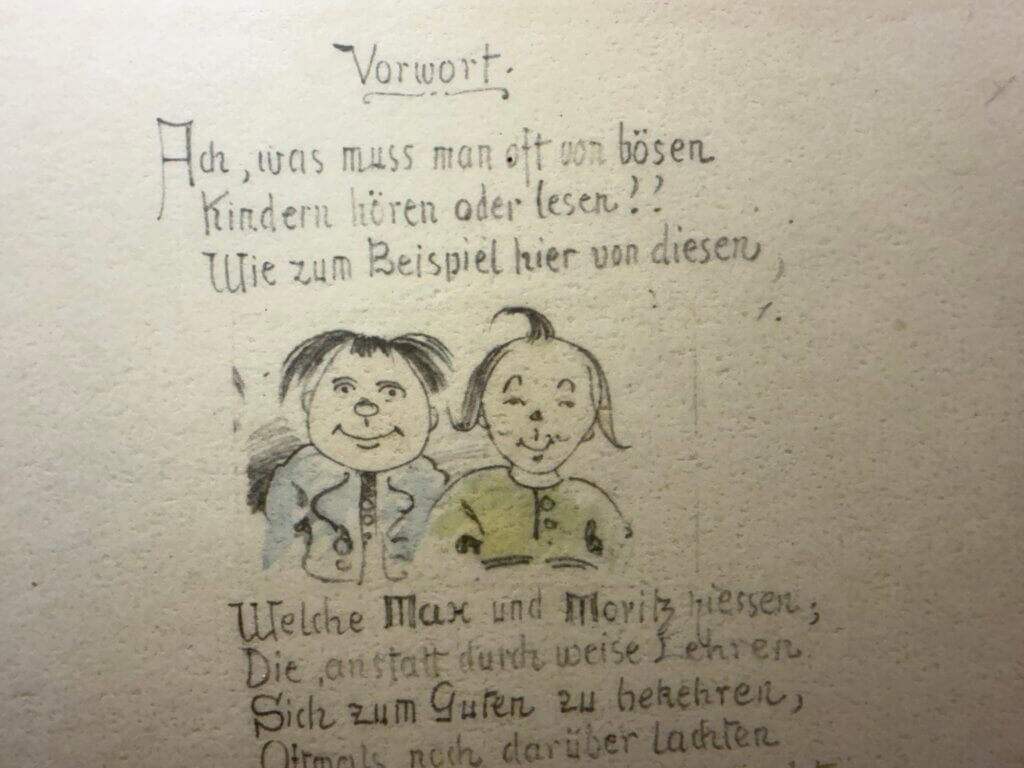
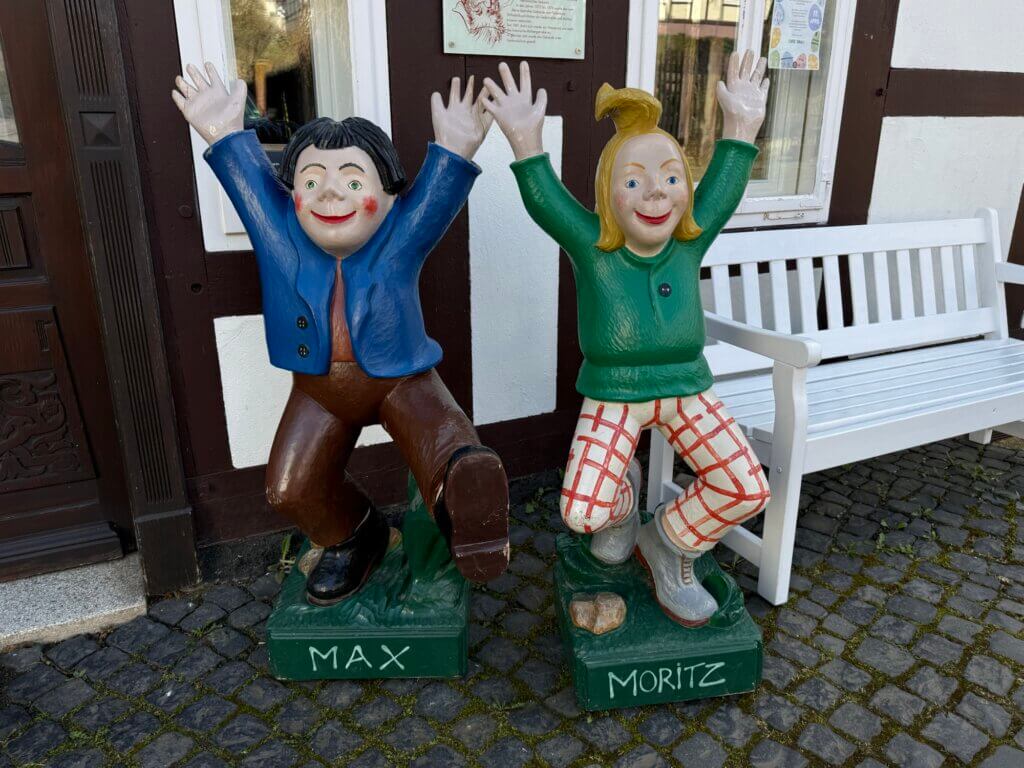
The connection between the mill and Busch’s most famous creation, Max und Moritz, is unmistakable. These two mischievous lads, known for their seven pranks, have become enduring symbols of impish rebellion and sharp wit in German humour. Their escapades – from tormenting a tailor to troubling a baker – mirror not just childish mischief but a subtle satire of small-town society. Busch’s narrative, paired with his expressive drawings, broke ground in illustrated storytelling, blending comic timing with poetic rhythm. The mill in Ebergötzen is often viewed as the setting that inspired many of these mischievous adventures, capturing the spirit of youthful curiosity and playful defiance.
Wilhelm Busch himself was a multifaceted figure – an artist, poet, and philosopher of everyday life. Born in 1832, he studied art in Düsseldorf, Antwerp, and München, yet his sharp sense of irony and observation always pulled him back to the simplicity of rural life. His illustrated tales, combining gentle cynicism with humour, were precursors to modern cartoons and comic strips. Though Max und Moritz brought him fame, Busch’s body of work extended far beyond that, touching on themes of vanity, human folly, and moral pretence – all portrayed with a twinkle of sardonic charm.
Today, the Wilhelm-Busch-Mühle stands as both a memorial and an invitation to step into the imagination of one of Germany’s most beloved storytellers. Visitors can trace the origins of Busch’s creativity, wander through exhibits of his sketches and manuscripts, and grasp how the idyllic landscape of Ebergötzen shaped his artistic vision. It’s a place where literature, art, and nature coalesce – an authentic reminder that even the simplest corners of the world can inspire timeless genius.
Wilhelm-Busch-Mühle
Ebergötzen
Germany
https://www.wilhelm-busch-muehle.de
Loading map...
