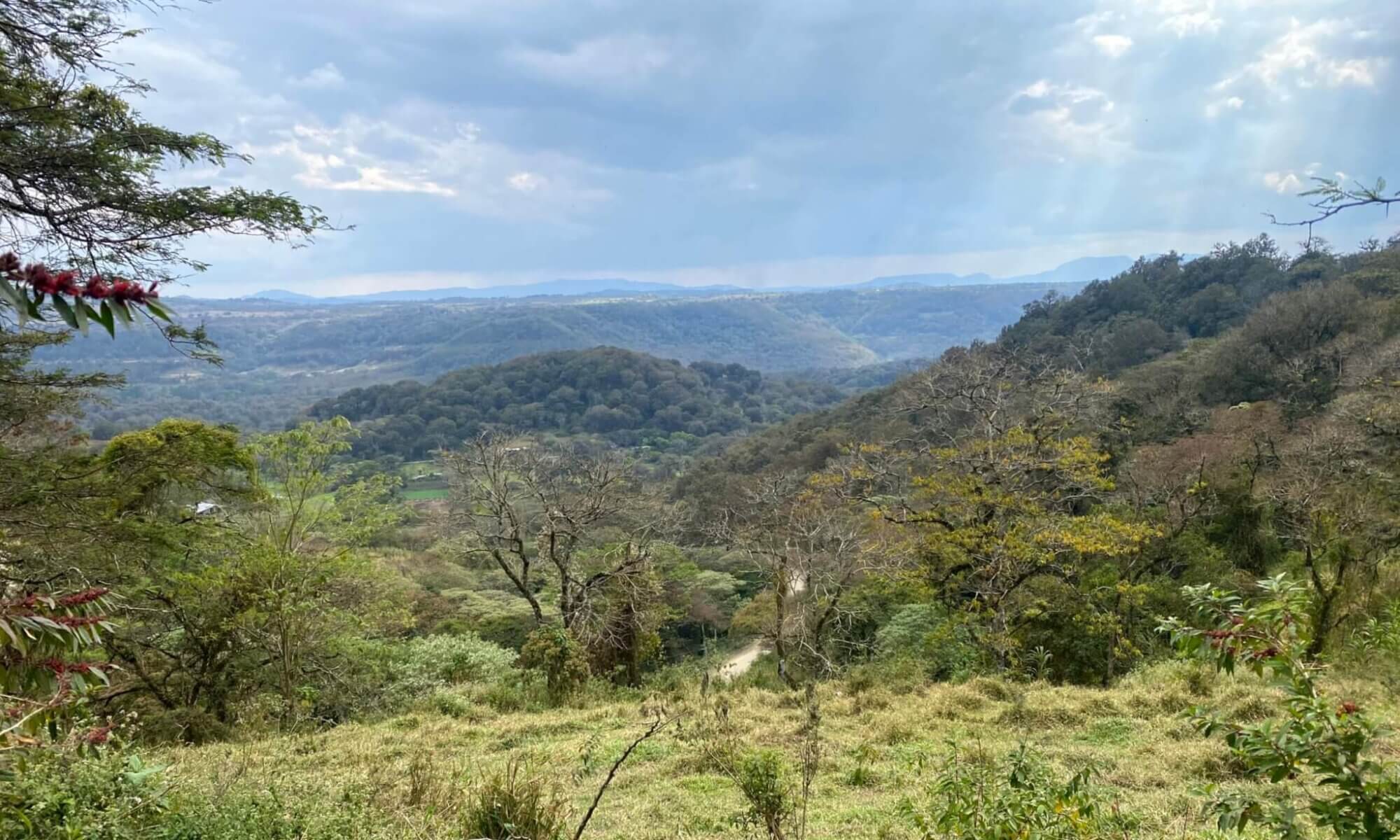
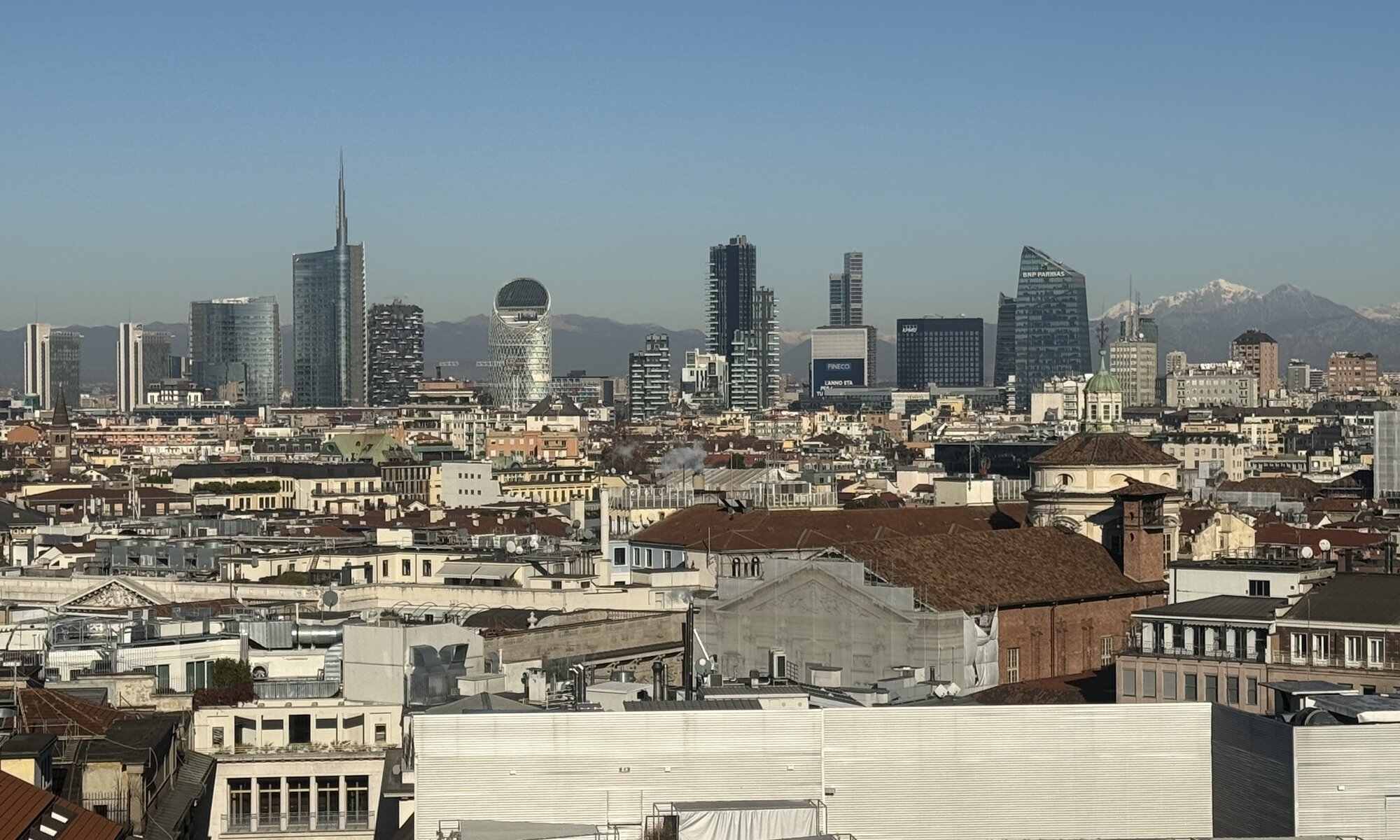
Last year my employer introduced a scheme that allows me to work twenty days mostly anywhere in the world. Something which feels like being made for me, but I decided to try it out first in an easy location and at a time when workload isn’t soaring high. That’s why I decided to work the week after Christmas at Milano, a city I had only briefly explored so far. It also gave me the chance to finally see the L’Ultima Cena (I always failed to get tickets) and the chance to explore the surroundings, including Bergamo, Brescia, Torino and a long-awaited return to Como.
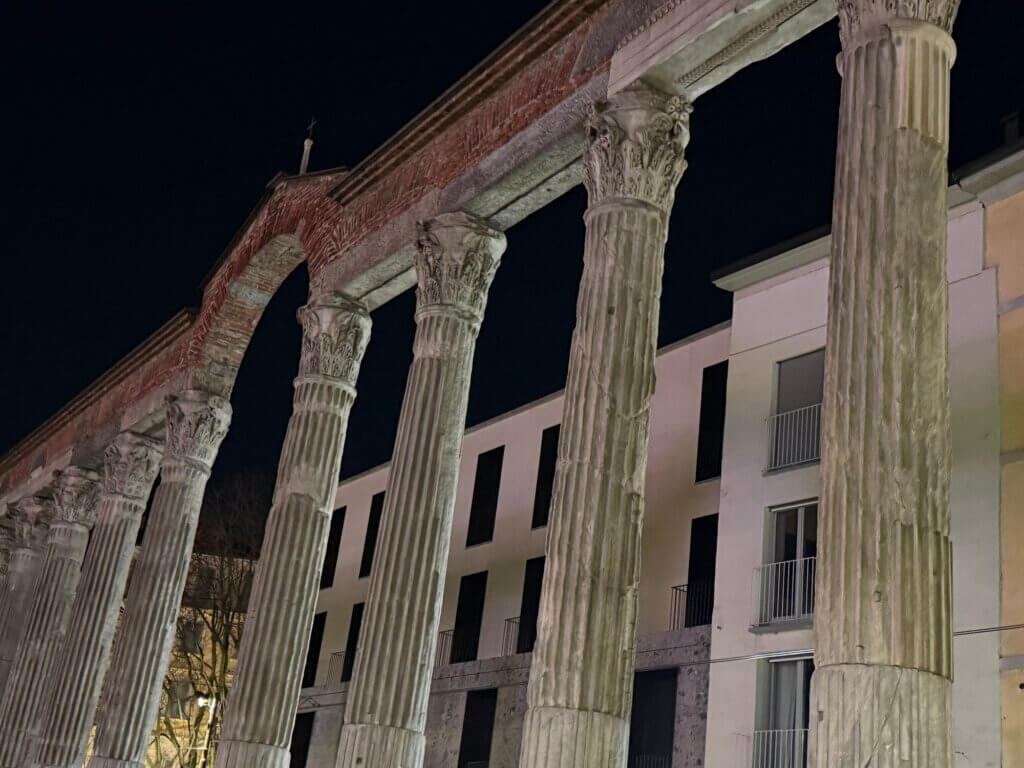
Milano stands as one of Europe’s great cities, defined by a rich tapestry of history, art, design, and industrious spirit. Its origins date back to the 4th century BC, when Celtic tribes settled on the fertile Lombard plain. The Romans later transformed it into Mediolanum, a key imperial capital that thrived under Emperor Constantine. Through the Middle Ages and Renaissance, Milano became a political and artistic powerhouse – the Visconti and Sforza dynasties shaped its golden era, commissioning works by masters such as Leonardo da Vinci and Donato Bramante. Despite suffering from wars and industrial upheaval, the city always reinvented itself, evolving into the modern, cosmopolitan metropolis it is today.
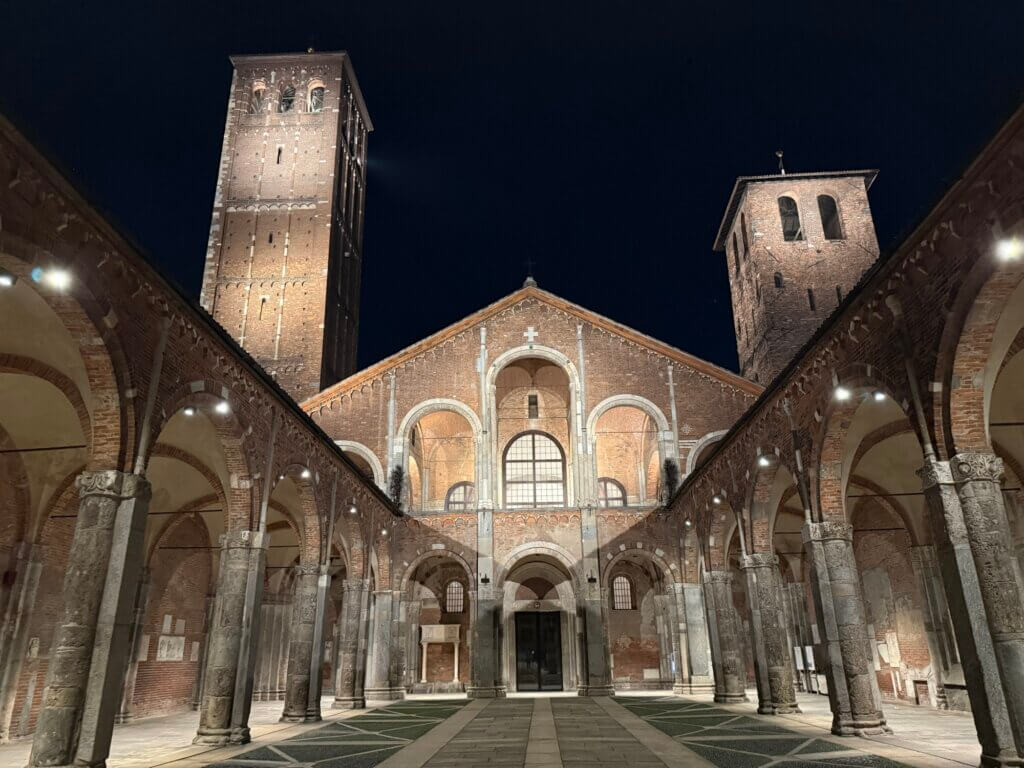
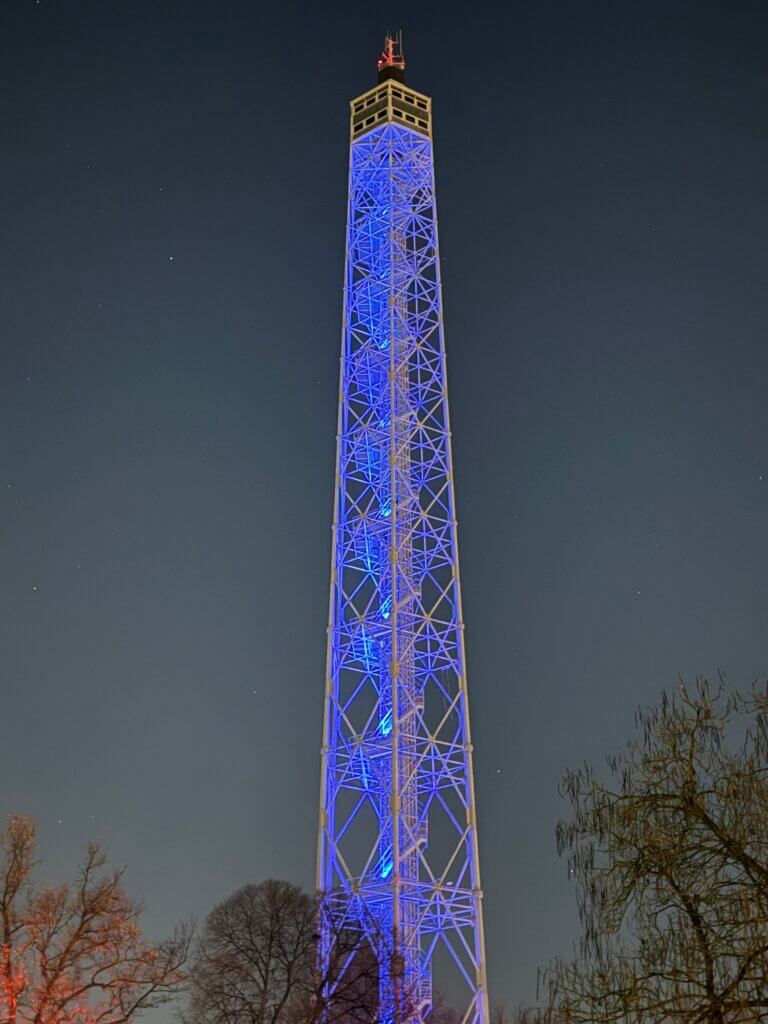
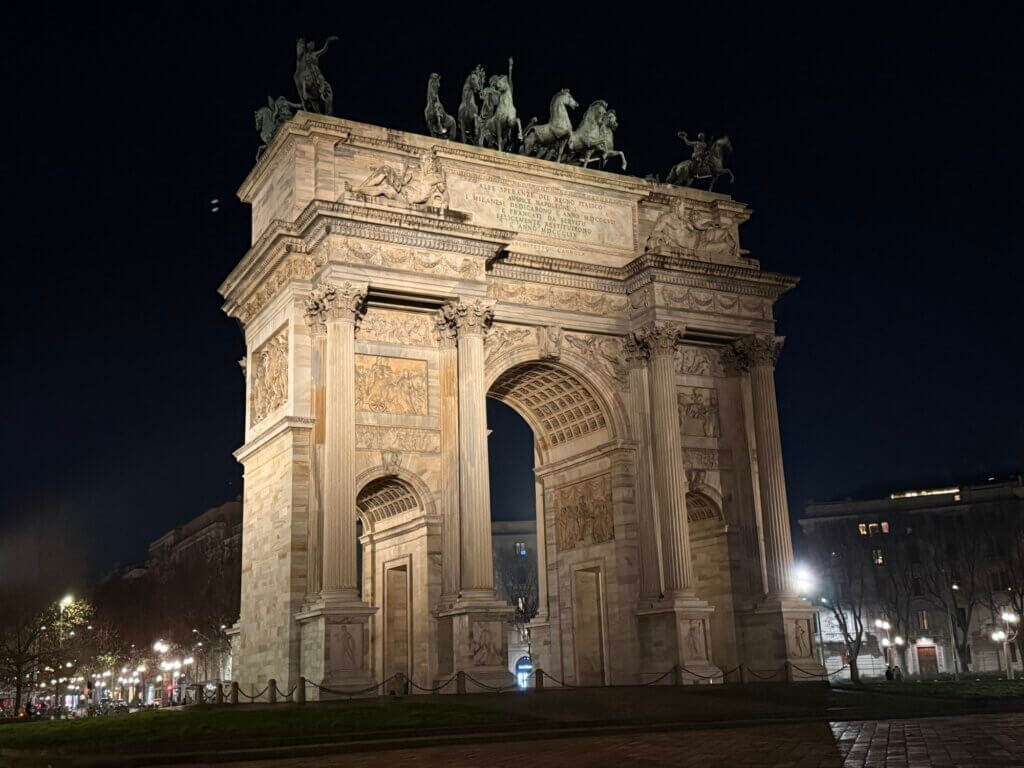
What distinguishes Milano is its unique fusion of tradition and innovation. The grandeur of Gothic and Renaissance architecture stands beside cutting-edge towers of glass and steel, reflecting a city always in motion. Fashion and design are intrinsic to its identity, with the Settimana della Moda (‘Fashion Week’) and the Salone del Mobile design fair drawing global attention. Yet Milano is more than style; it is a city of refined taste, intellectual vigour, and quiet elegance. Beneath its efficiency lies a deep appreciation for art, music, and craftsmanship that defines northern Italy’s understated sophistication.
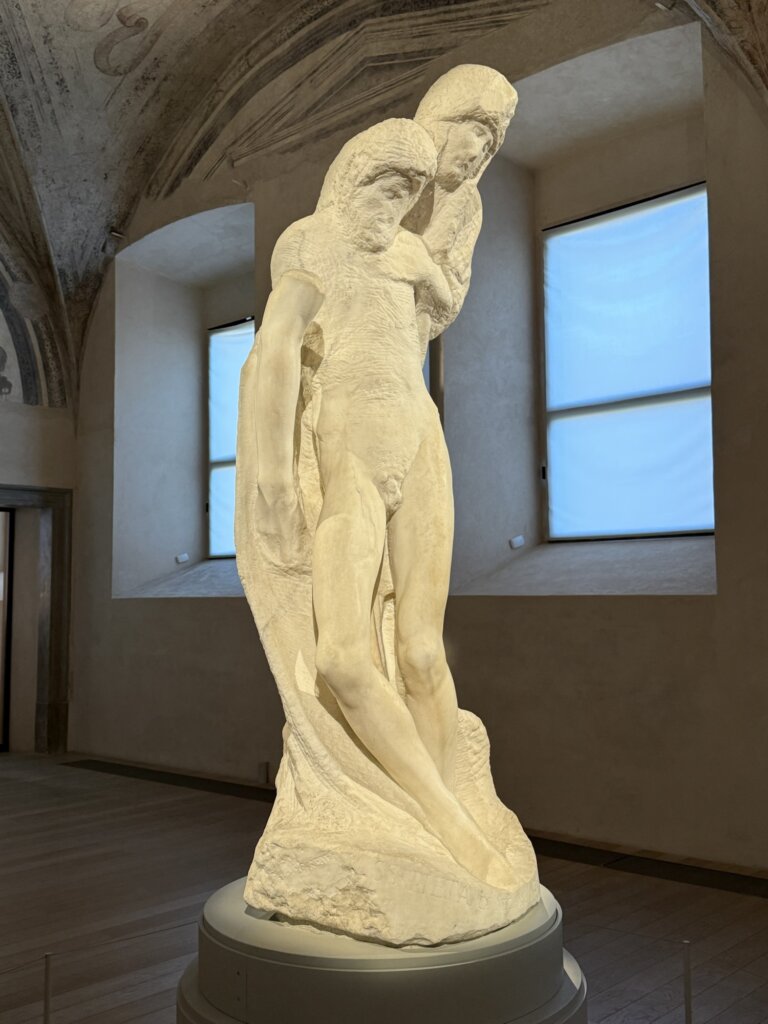
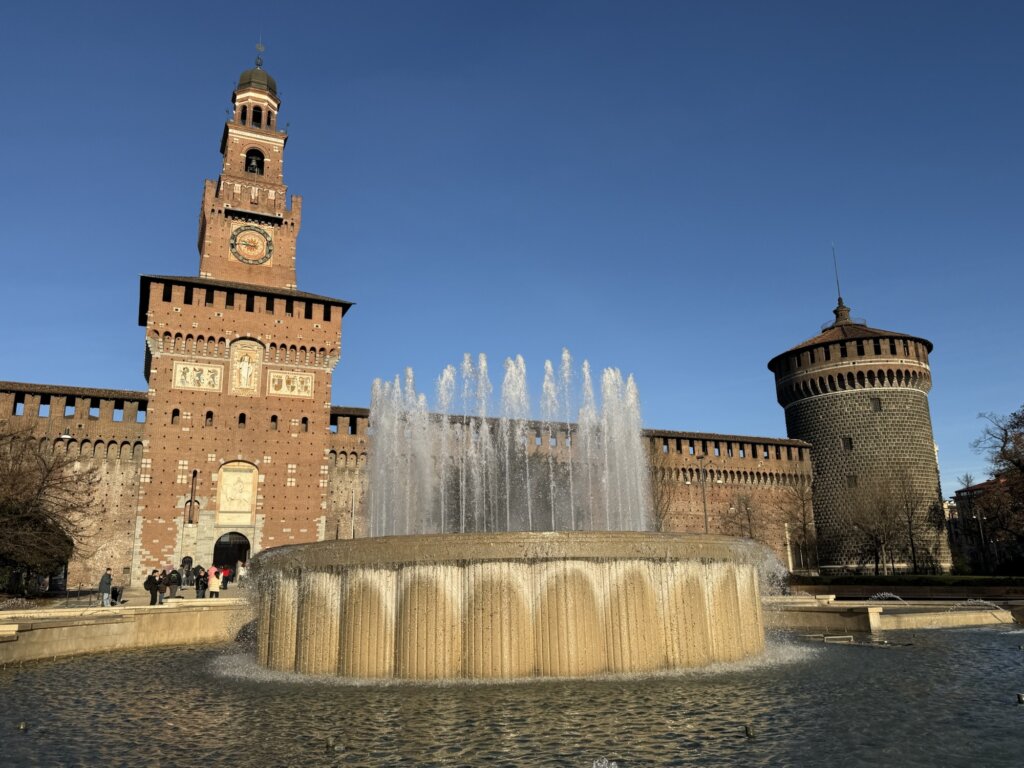
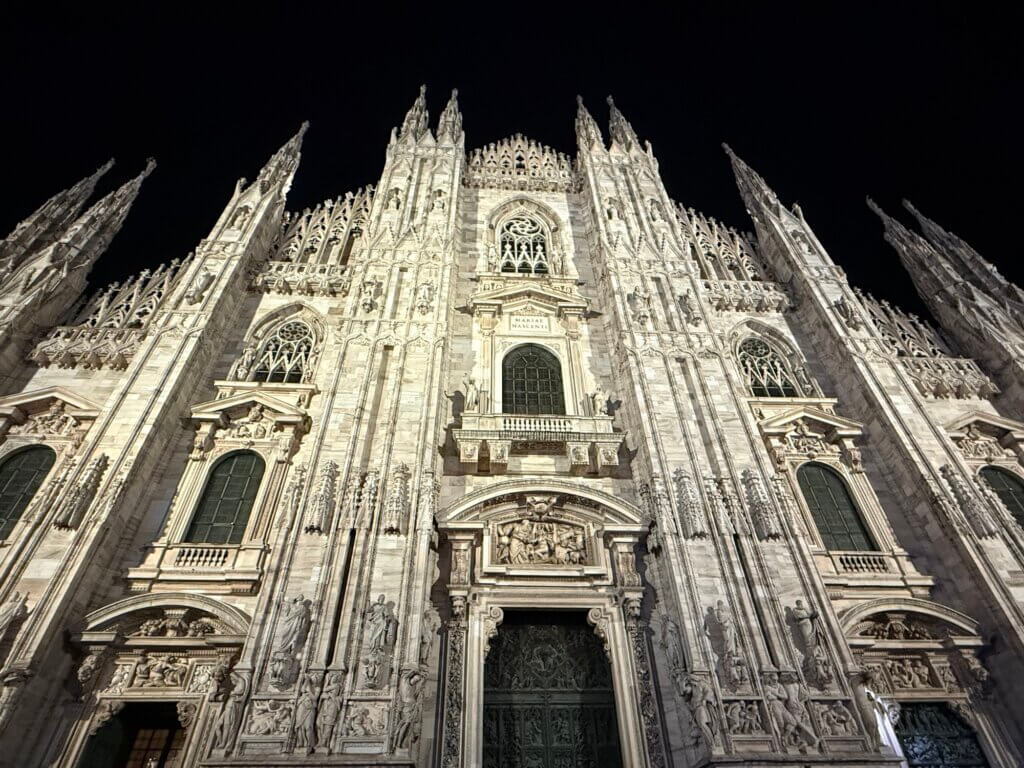
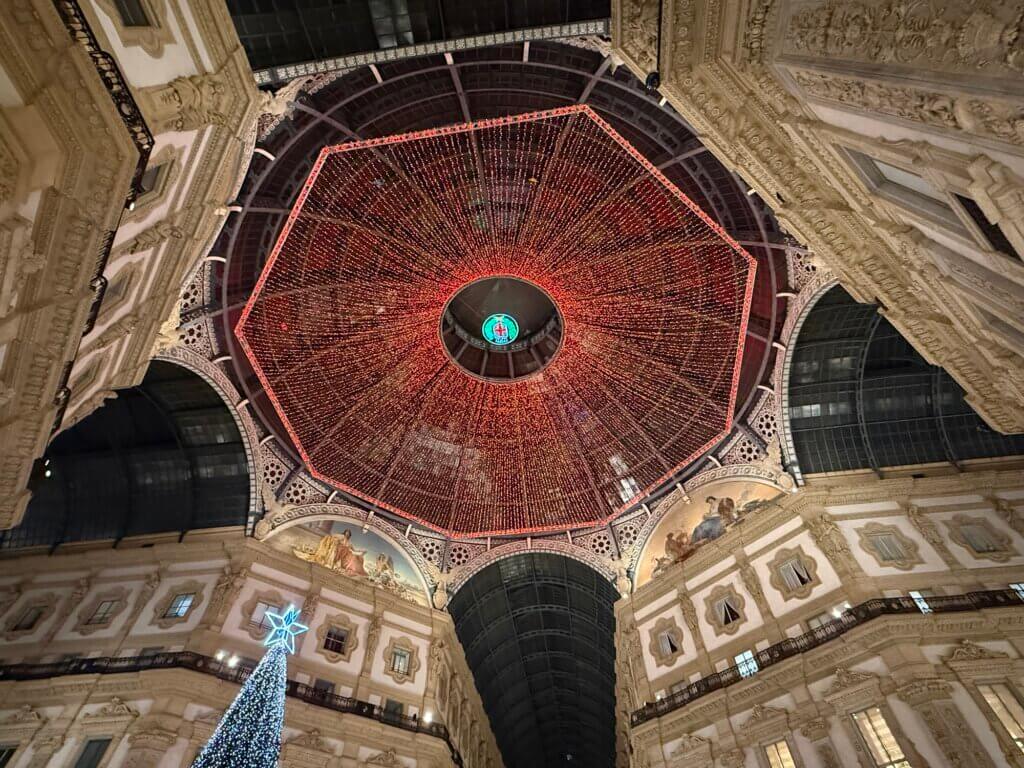
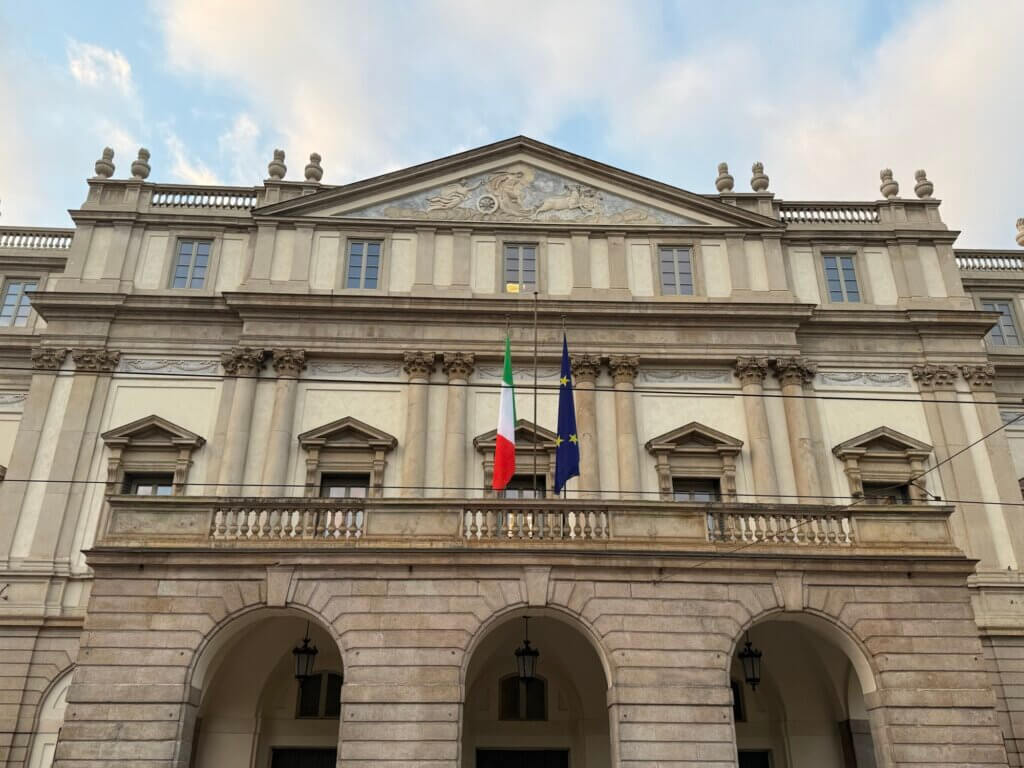
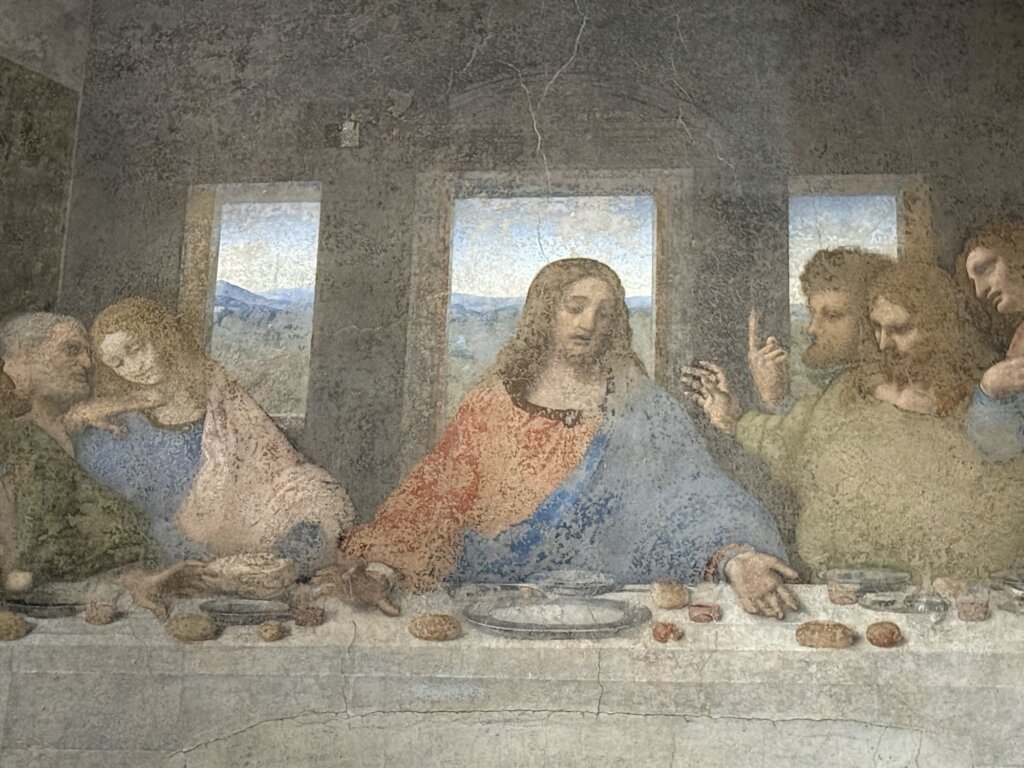
For visitors, the heart of Milano is best understood through its landmarks. The Duomo di Milano, a masterpiece of Gothic ambition, dominates the skyline, its marble spires rising like frozen song. Next to it sits the Galleria Vittorio Emanuele II, one of the world’s most beautiful shopping arcades, where cafés, mosaics, and Prada storefronts celebrate both commerce and culture. Just a short walk away, Teatro alla Scala continues to set the global standard for opera, while the Castello Sforzesco preserves centuries of art and noble history. A quieter pilgrimage leads to Santa Maria delle Grazie, home of Leonardo da Vinci’s Last Supper (‘L’Ultima Cena’), an encounter that few forget.
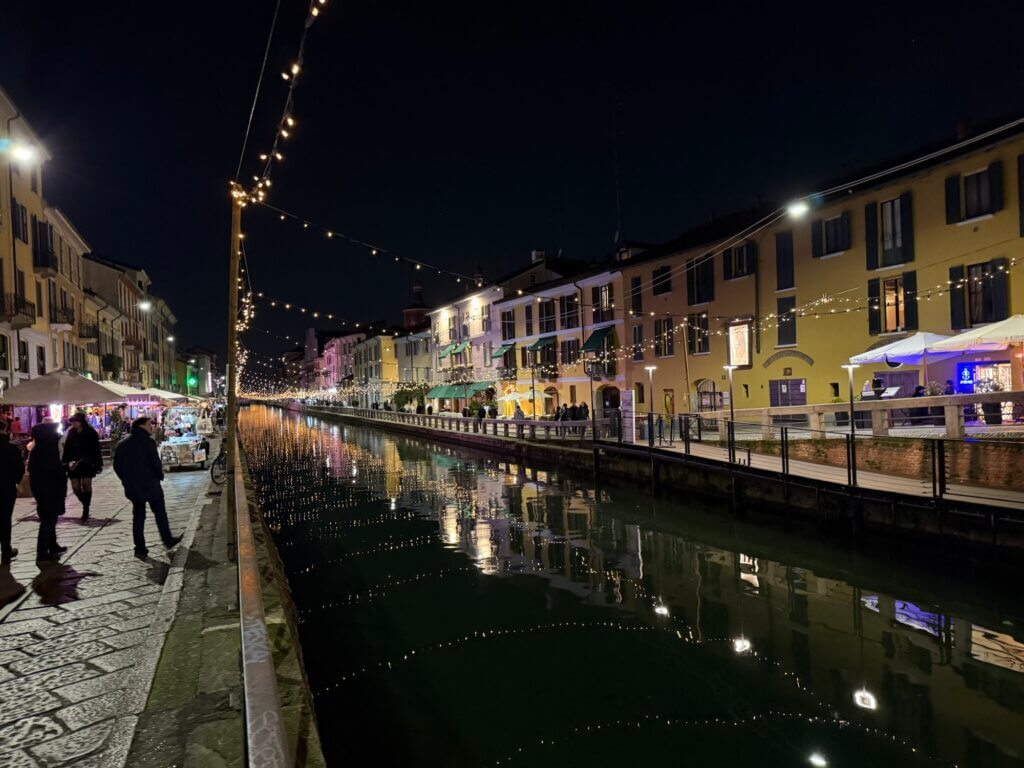
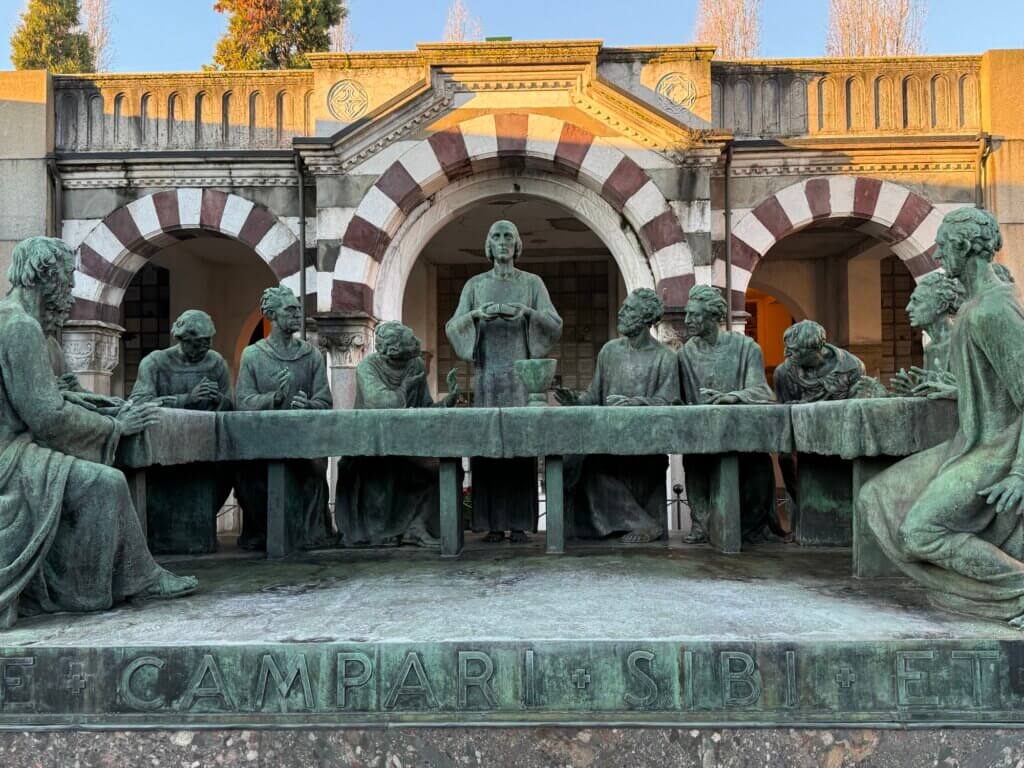
Rounding out the list of essential experiences, travellers should visit Pinacoteca di Brera for Renaissance art, Navigli district for its canals and evening life, Cimitero Monumentale for its sculptures and serenity, and Parco Sempione for peaceful greenery in the city centre. Piazza Gae Aulenti showcases Milano’s futuristic face, where sleek design and light installations symbolise its continuous renewal. Finally, San Siro stadium embodies the city’s passion for football – the roar of the crowd uniting locals and visitors alike. Milano, with its mix of heritage and modernity, invites exploration not through spectacle alone but through the quiet confidence of a city that has long led Europe by example.
Milano
Italy
Loading map...
