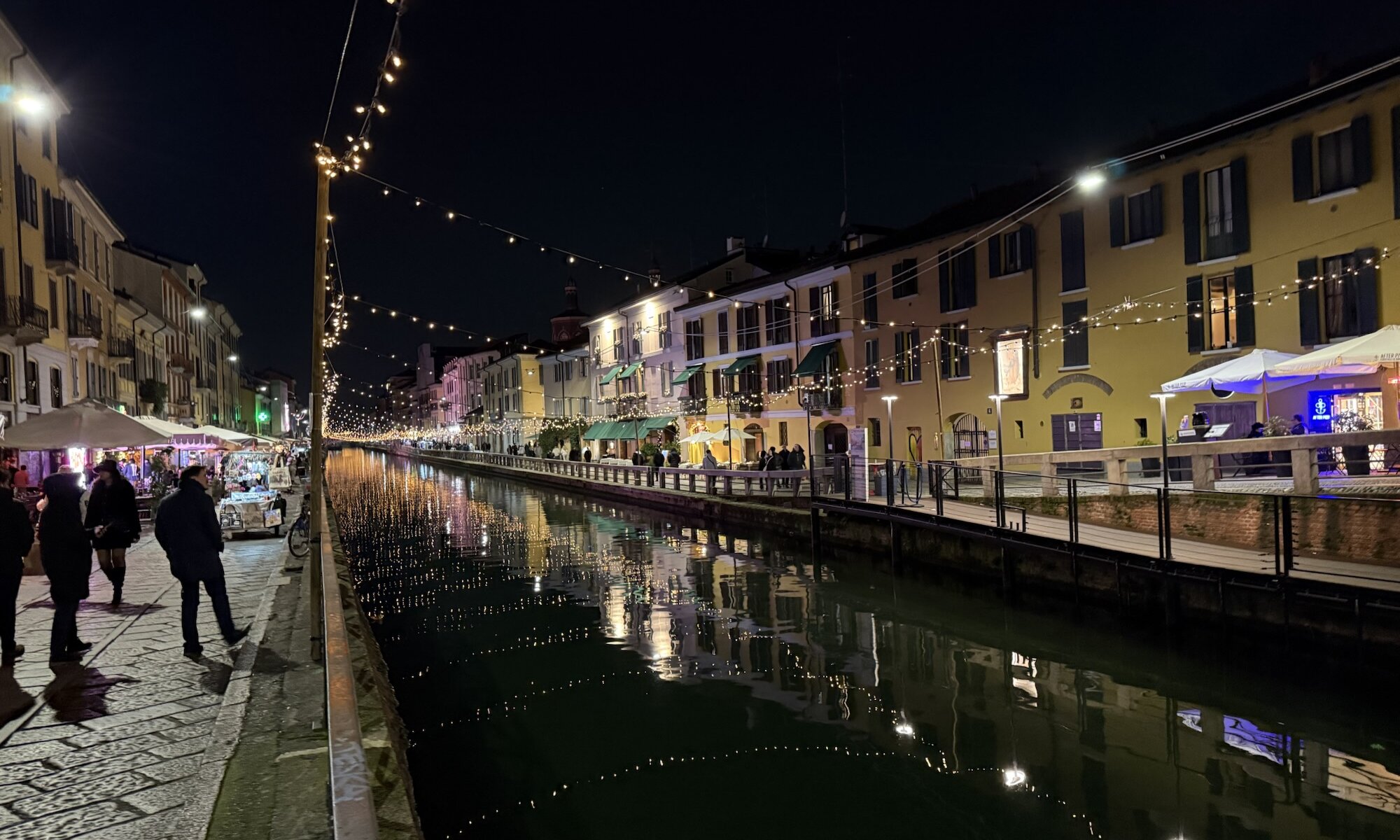
It is one of Milano’s most atmospheric districts, known for its winding canals, artistic flair, and lively spirit that blends old-world charm with contemporary urban life. The area takes its name from the navigli – the historic network of canals designed between the twelfth and sixteenth centuries to connect Milano with Lago Maggiore, Lago di Como, and eventually the Po river. These waterways once made the inland city a thriving commercial hub, transporting goods and even the marble used to construct the Duomo. The system was an engineering marvel of its time, with Leonardo da Vinci contributing significantly to the design of the canal locks during his stay in Milano .
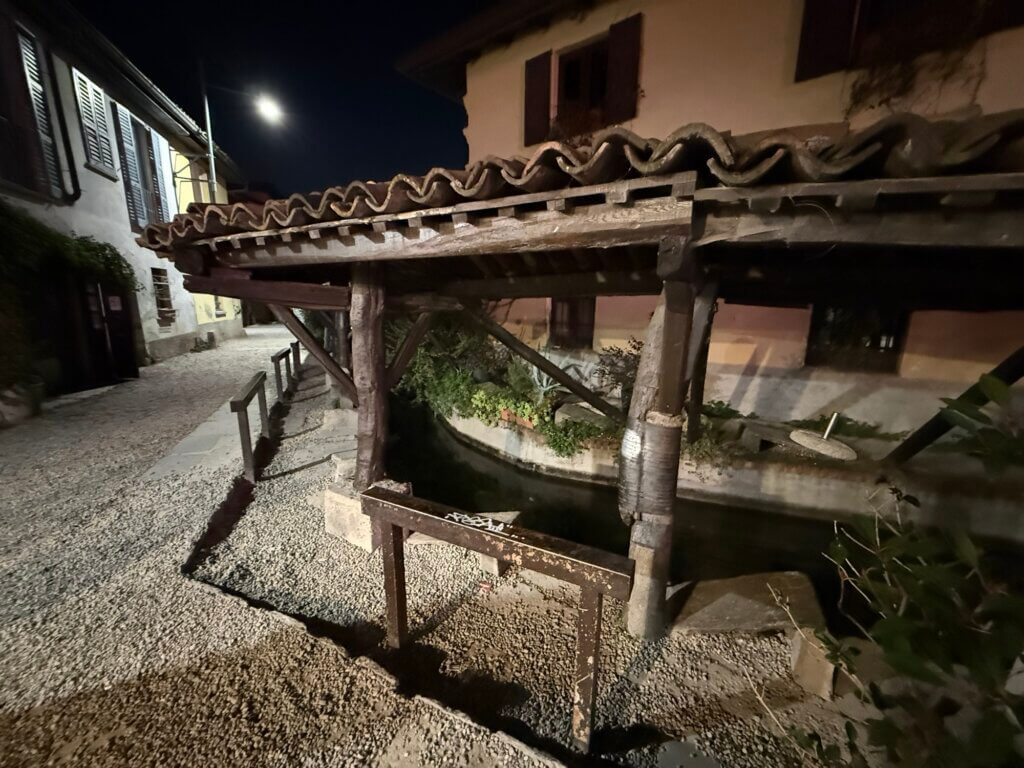
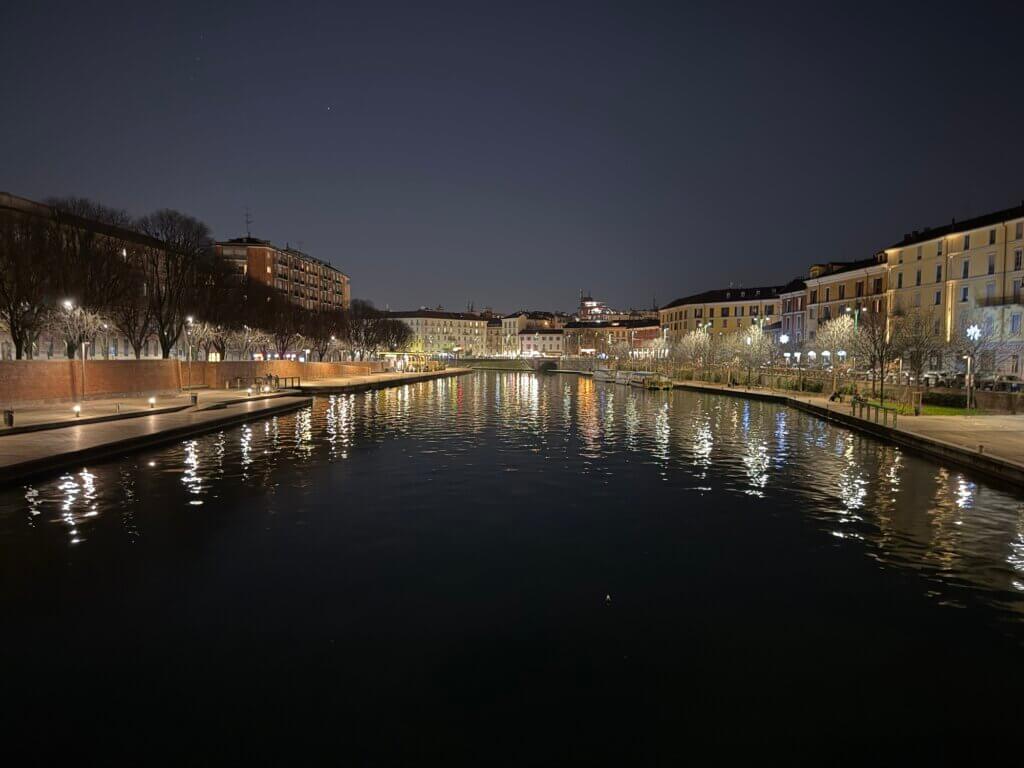
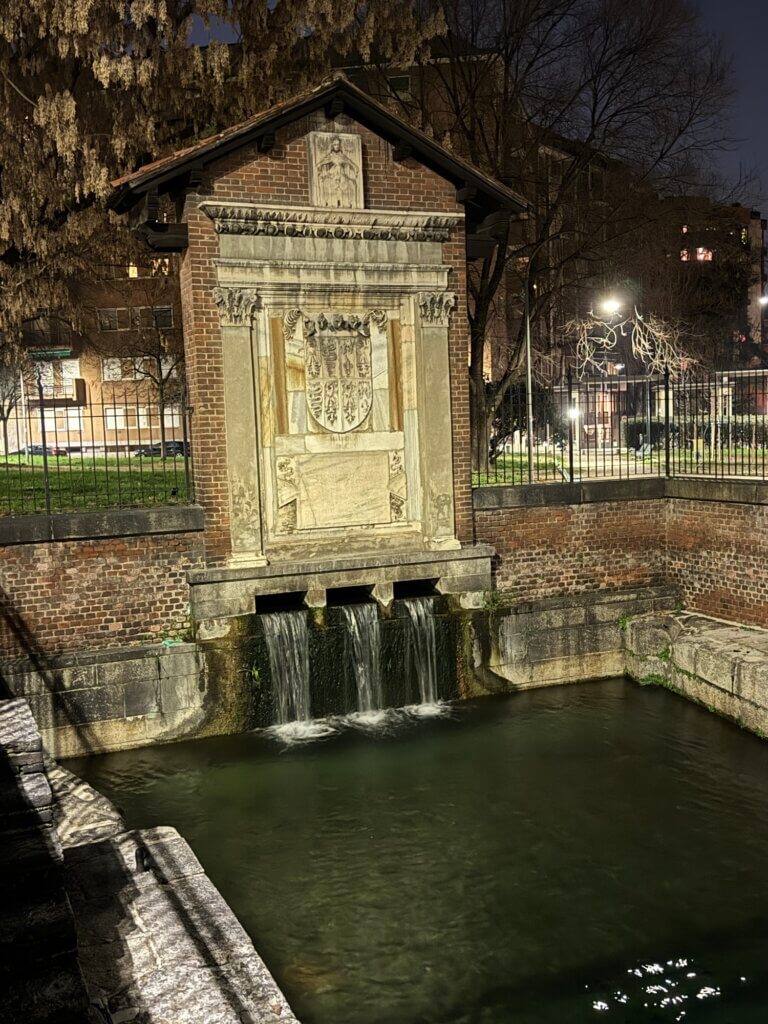
The two main canals that remain today, the Naviglio Grande and the Naviglio Pavese, give the area its distinctive character. The Naviglio Grande, the oldest and most famous, stretches for nearly fifty kilometres, lined with old warehouses and towpaths that have been transformed into galleries, cafés, and boutiques. The Naviglio Pavese runs southward toward Pavia, offering a quieter, more introspective counterpart to the buzz of its larger twin. Strolling along their embankments, one senses how deeply water once shaped Milano’s rhythm and economy before most of the canals were covered in the twentieth century to make space for modern streets.
Today, Navigli is synonymous with creativity and nightlife. During the day, its cobbled lanes attract artists, photographers, and design enthusiasts who wander between vintage shops, artisan studios, and book markets. As evening falls, the neighbourhood awakens – its embankments glow with lantern light and conversation drifts from countless bars and trattorie serving aperitivi overlooking the canals. The lively yet relaxed atmosphere makes it one of Milano’s most beloved meeting places for both locals and visitors seeking to taste the city’s dolce vita away from the more formal boulevards.
Beyond leisure, Navigli also maintains a strong cultural pulse. The district hosts the Mercatone dell’Antiquariato, one of Italy’s largest antique fairs, held monthly along the Naviglio Grande. Artistic events frequently fill the warehouses, and during Milano Design Week, the canals become a stage for installations and pop-up exhibitions that mirror the city’s cutting-edge creativity. Whether one comes to trace the footsteps of centuries-old water traders or simply to sit by the canal with a glass of wine as the sun dips behind the bridges, Navigli captures the essence of Milanese life – elegant yet grounded, historic yet always reinventing itself.
Navigli
Milano
Italy
Loading map...
