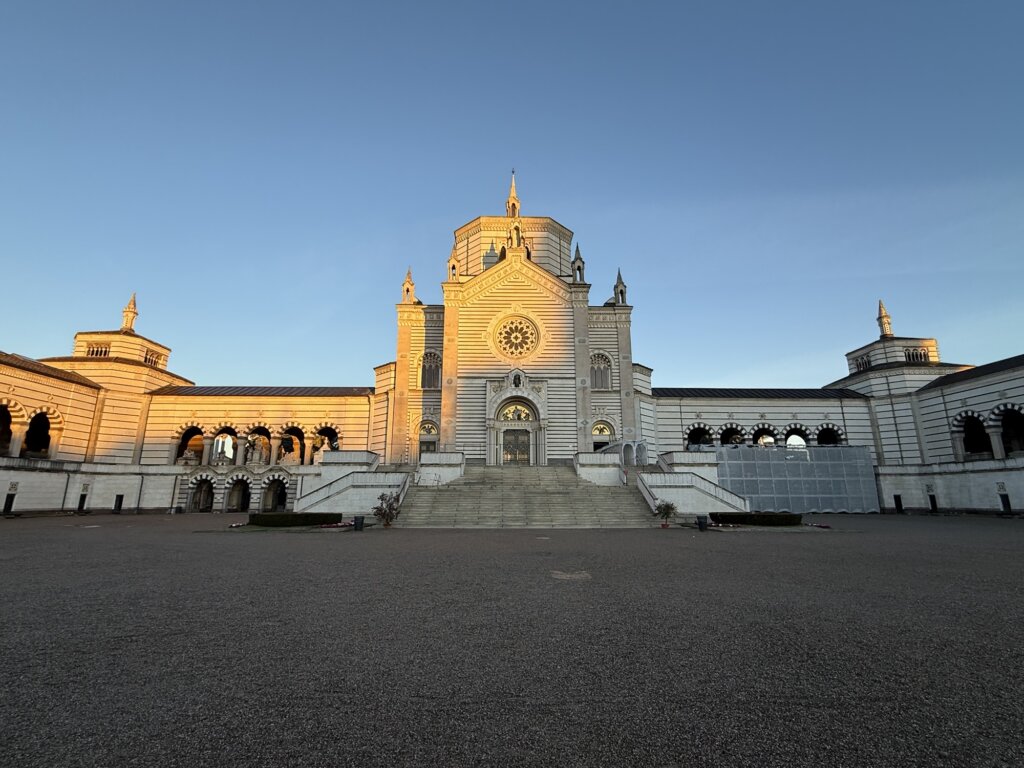
The Cimitero Monumentale in Milano is far more than a burial ground; it is a vast open-air museum reflecting the city’s changing artistic and social character since the nineteenth century. Opened in 1866, it was created to unify Milano’s smaller cemeteries into one grand site worthy of a modern, industrialising metropolis. The architect Carlo Maciachini designed it in an eclectic style blending Byzantine, Gothic and Romanesque elements, resulting in a structure that feels both solemn and theatrical. The grand entrance, the Famedio – initially intended as a pantheon for Milano’s most illustrious figures – sets the tone with its striking marble façade and towering spire.
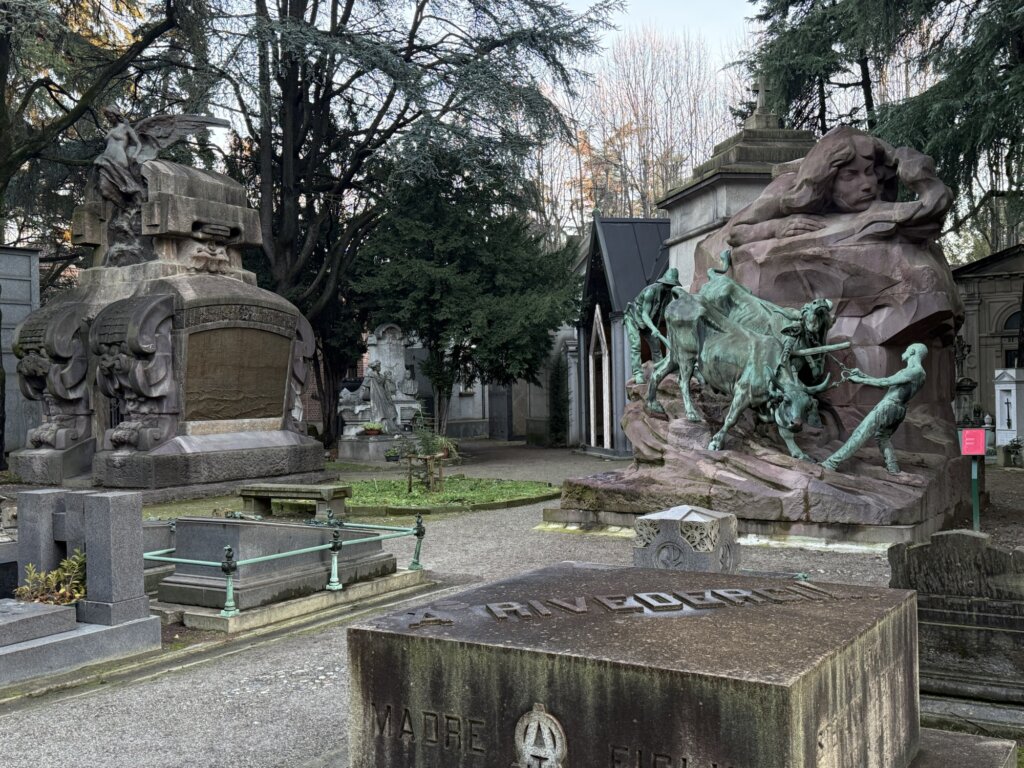
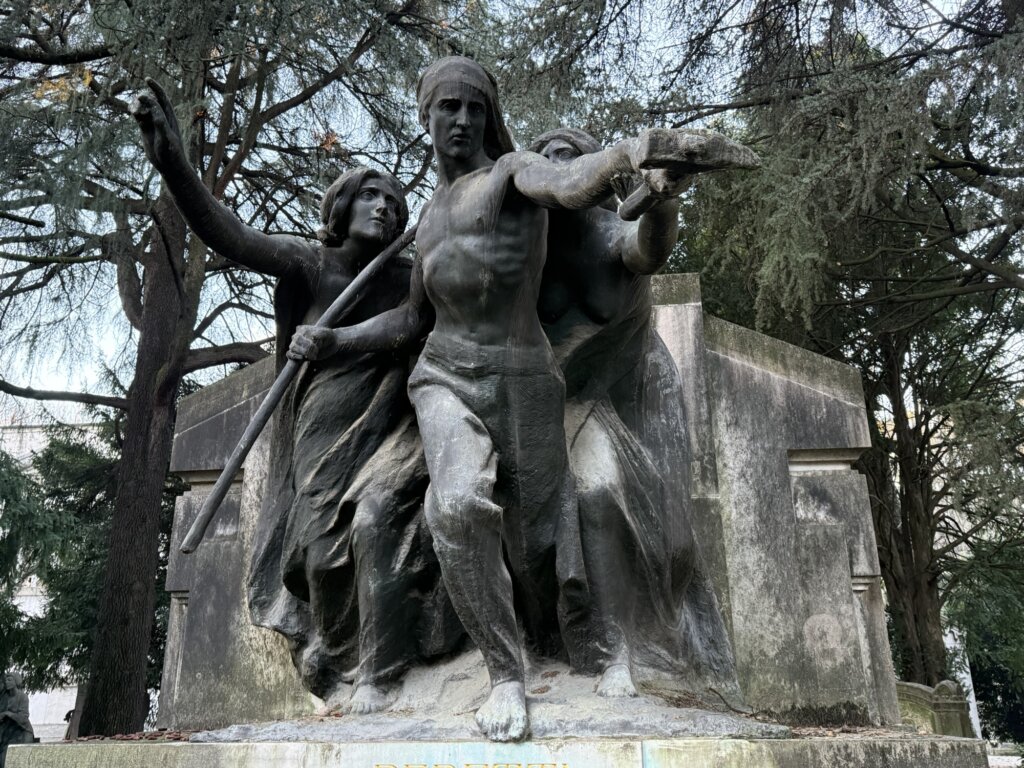
What makes the Cimitero Monumentale exceptional is the artistry of its memorials. Every path seems lined with sculptures that tell a story – angels with expressive faces, grieving figures caught in eternal contemplation, and allegorical representations of virtues and mortality. Many of these are the work of prominent Italian sculptors who treated the cemetery almost like an artistic competition ground. Unlike the uniform rows one expects in most cemeteries, here each tomb seeks individuality, from elaborate Art Nouveau creations to minimalist post-war modernist forms.
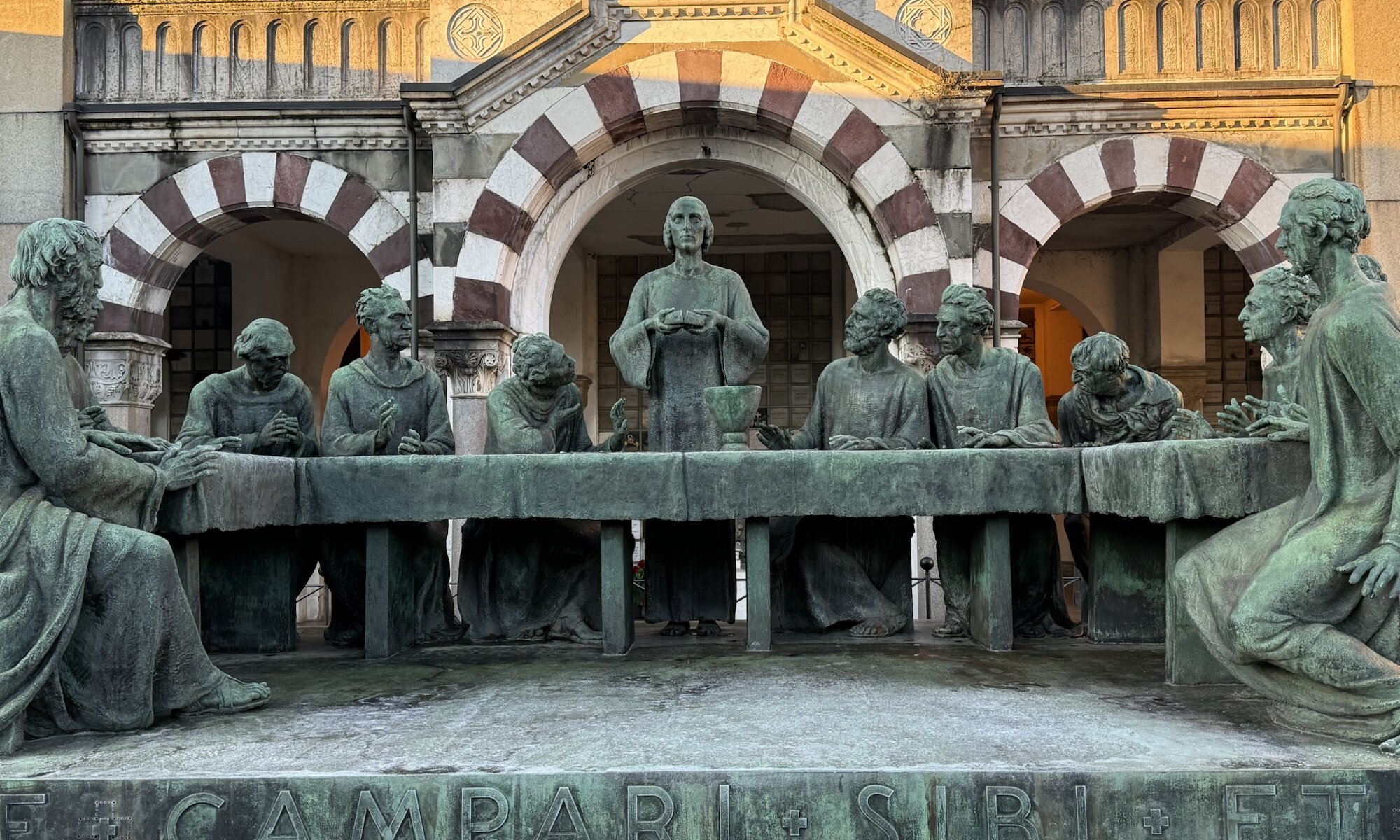
Walking through the sprawling grounds, one encounters names deeply intertwined with Milano’s cultural and industrial heritage. There are monuments to the famous Campari family, their tomb an extraordinary marble depiction of the Last Supper, and memorials dedicated to composers, writers, and business magnates who shaped modern Italy. The cemetery is also home to collective monuments for victims of war and fascism, giving the site a strong historical resonance beyond personal remembrance. Beneath the Famedio’s coffered ceiling rest luminaries such as Alessandro Manzoni, one of Italy’s greatest literary figures, whose presence turned the place into a secular shrine to Milanese identity.
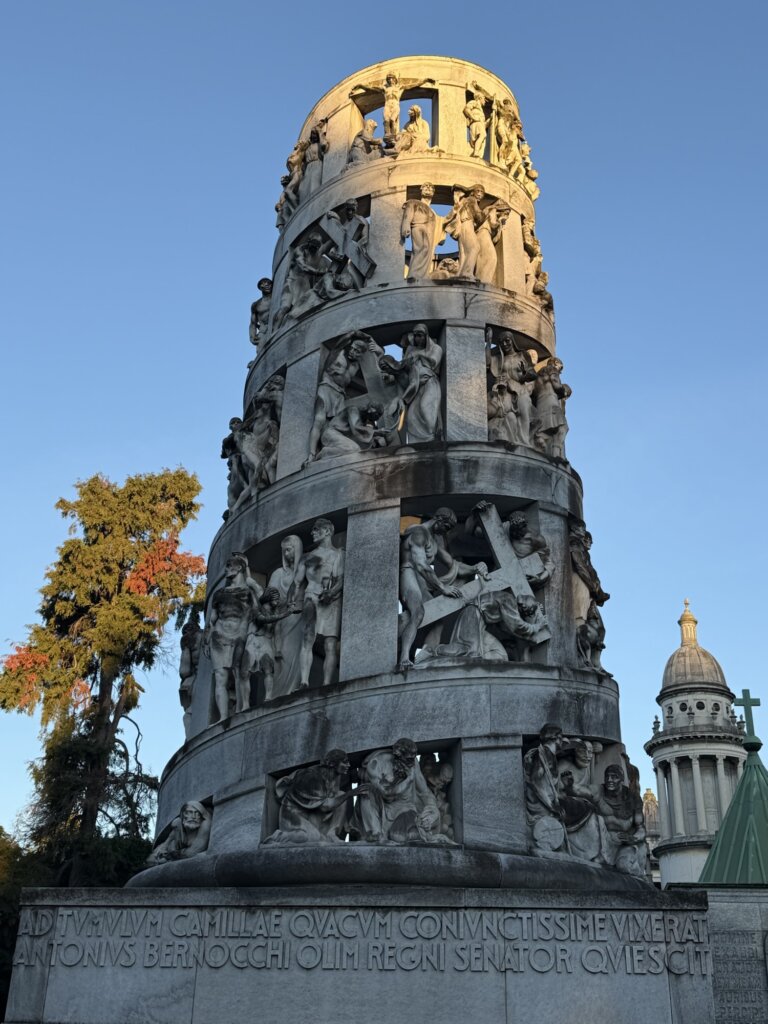
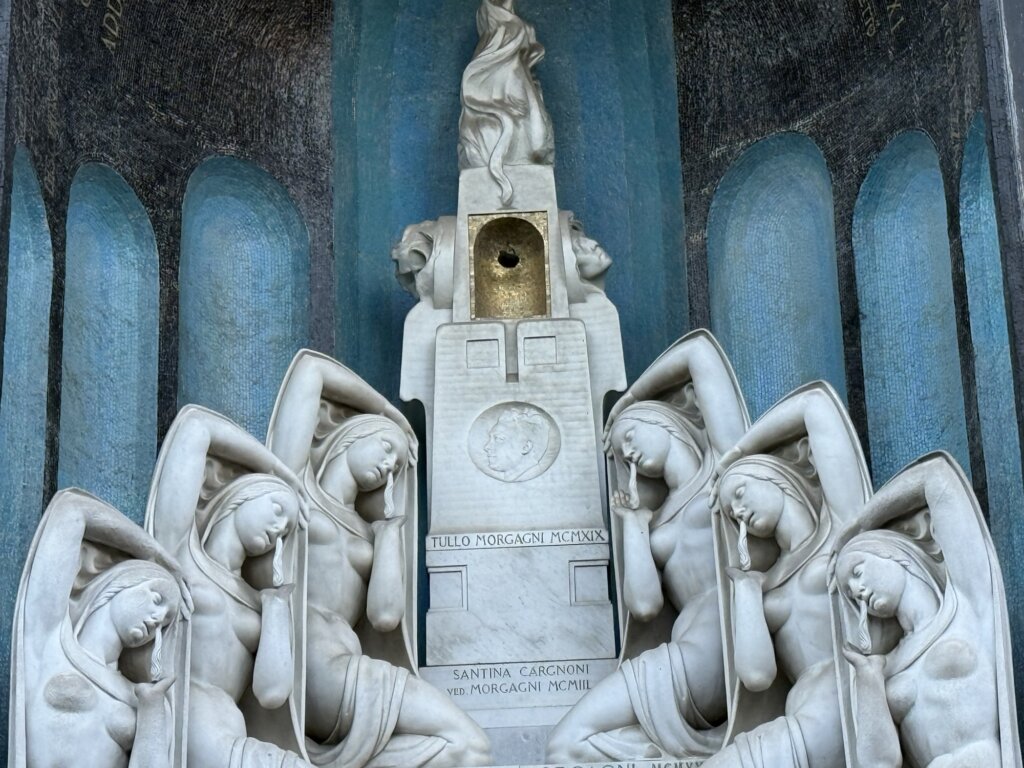
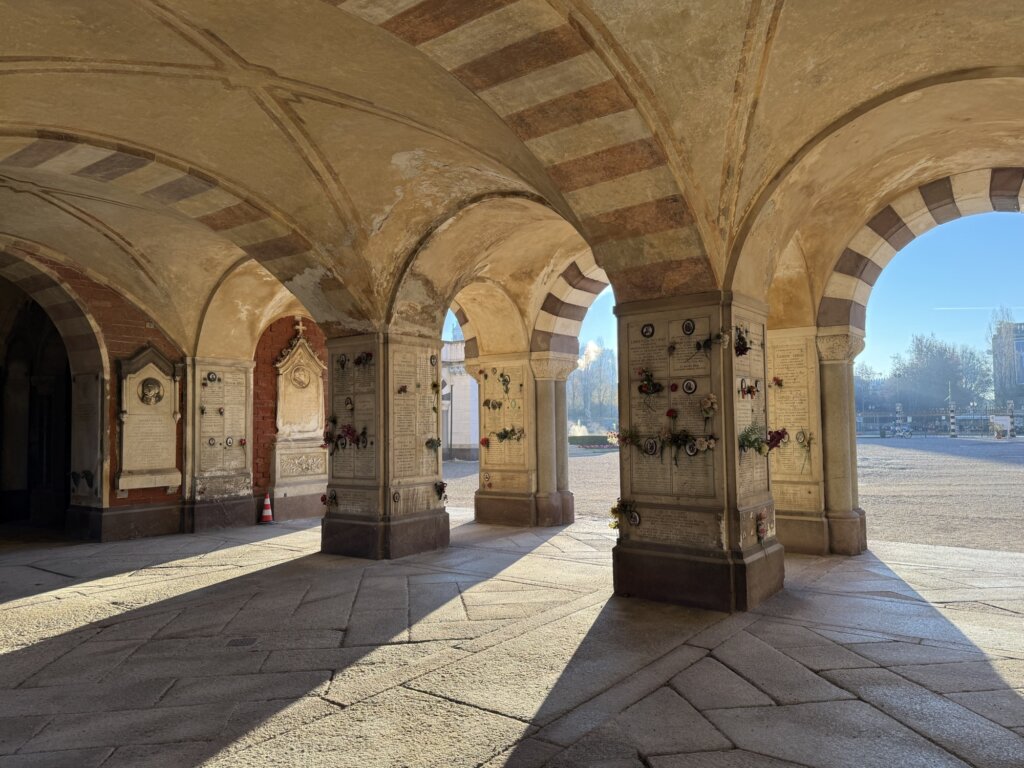
Today, the Cimitero Monumentale remains a peaceful retreat from the rush of the city, a place where stone and memory intertwine. Photographers and art lovers are drawn to it as much as mourners, for its combination of sculpture, architecture, and landscape is unique in Europe. Every season lends its own atmosphere – autumnal leaves echoing the bronze patina of statues, or spring light softening the marble reliefs. Visiting it feels both humbling and inspiring, a reminder that Milano’s story extends far beyond fashion and commerce into a celebration of creativity and commemoration through art.
Cimitero Monumentale
Milano
Italy
Loading map...
