

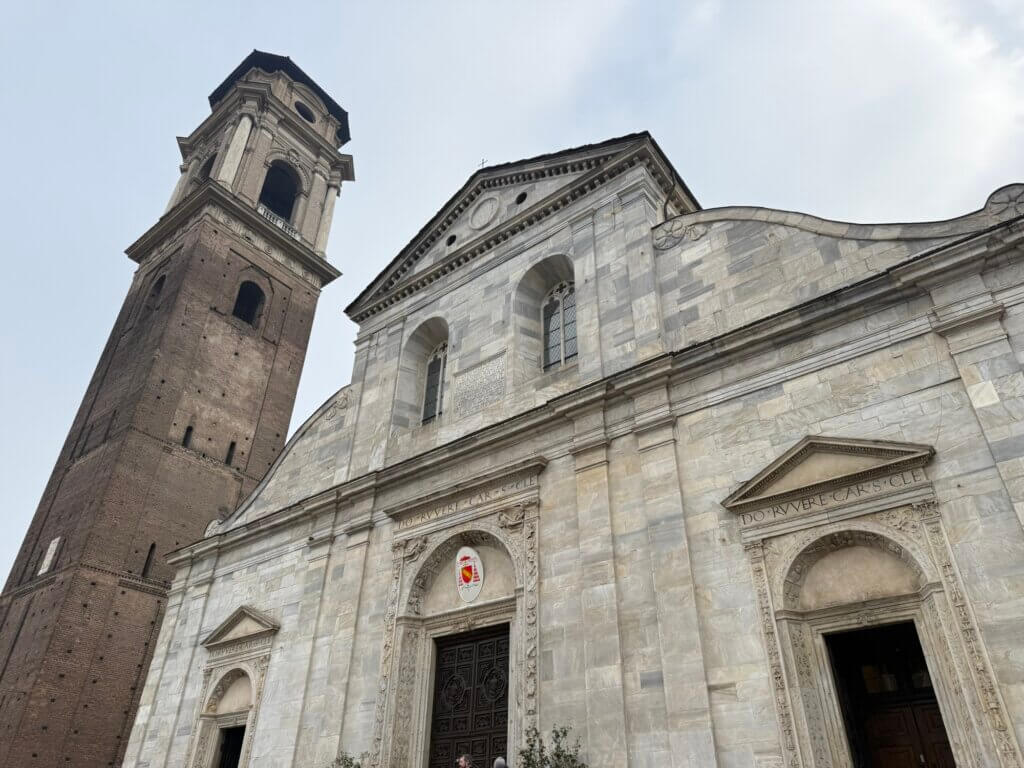
The Cattedrale di San Giovanni Battista in Torino stands as one of the most remarkable examples of Renaissance church architecture in northern Italy. Built between 1491 and 1498 under the direction of Amedeo de Francisco di Settignano, known as Meo del Caprina, the cathedral replaced a cluster of medieval churches dedicated to Saint John the Baptist, the city’s patron saint. Its elegant façade of white marble, rare for Piedmont at the time, reflects the transition from Gothic to early Renaissance design, pairing classical balance with restrained ornamentation. In the late 17th century, the complex gained its most distinctive silhouette when Guarino Guarini added the magnificent Baroque chapel designed specifically to house one of Christianity’s most venerated relics – the Shroud of Torino.
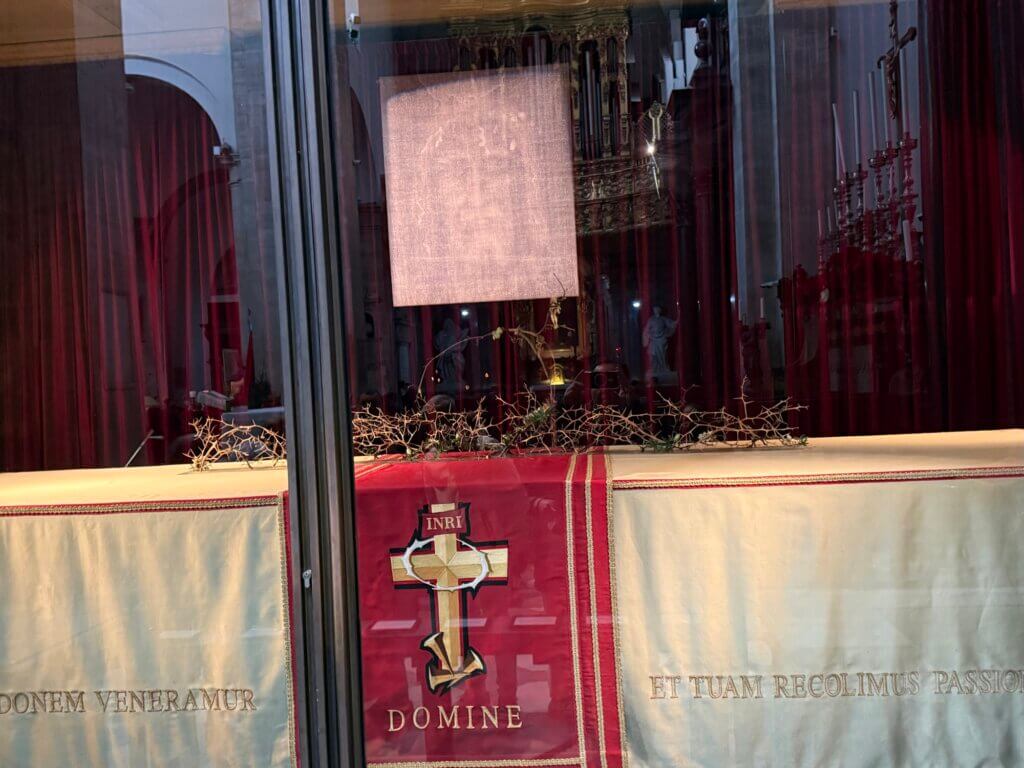
What sets the cathedral apart from other Italian churches is precisely this connection to the Shroud, or Sindone di Torino, which has elevated Torino into a major centre of pilgrimage. The Sindone is a length of linen cloth bearing the faint image of a man’s body and face, traditionally believed to be that of Jesus Christ after the crucifixion. Although scientific analyses and debates have surrounded its authenticity for decades – ranging from medieval origin theories to arguments for an older provenance – its spiritual and cultural resonance remains undeniable. The atmosphere inside the chapel where the shroud is kept, typically closed to the public except during special expositions, carries a palpable sense of mystery and devotion.
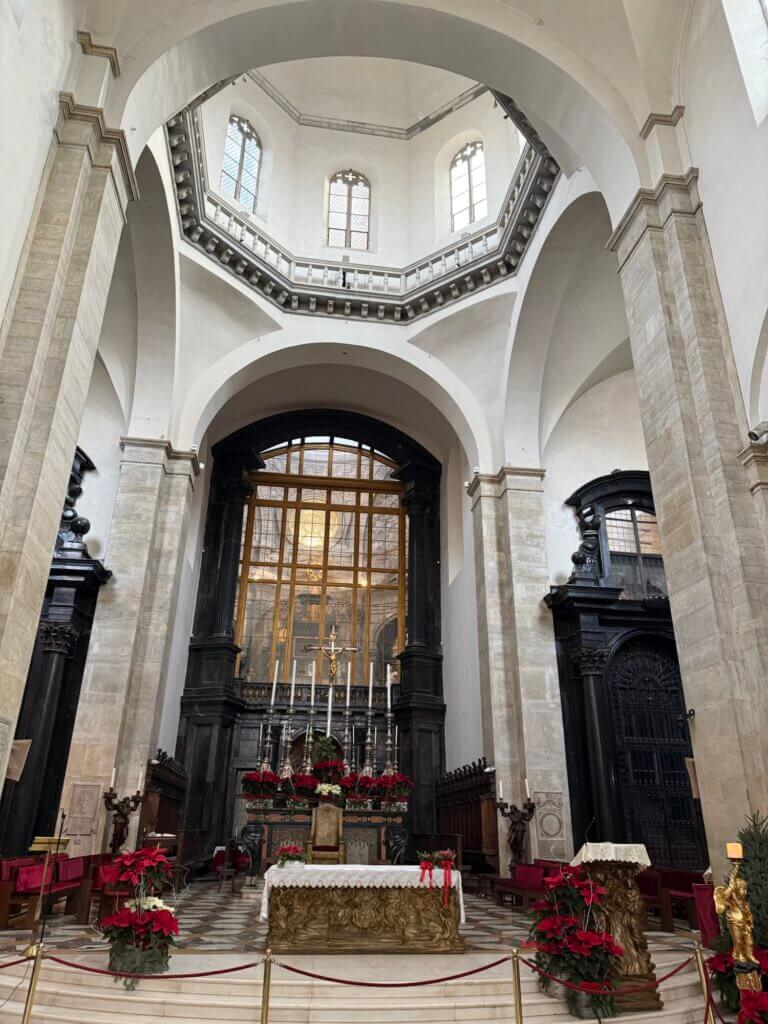
Visitors entering the cathedral first encounter a serene interior with vaulted ceilings, marble altars, and richly carved choir stalls that announce Torino’s historic wealth and artistic refinement. The blend of Renaissance symmetry and later Baroque exuberance creates a visual progression as one moves from the main nave toward the Chapel of the Holy Shroud. Though the relic itself is usually stored in a climate-controlled case and not permanently visible, a life-sized photographic reproduction helps visitors appreciate the image’s enigmatic details – the delicate contours of a human form marked by apparent wounds that have fascinated believers and scholars alike. The crypt and treasury also display religious artefacts, vestments, and historical documents tracing the cathedral’s evolution over the centuries.
Outside, the cathedral sits beside the remains of the Roman theatre, a reminder of Torino’s ancient roots as Augusta Taurinorum. The juxtaposition of Roman stonework, Renaissance marble, and Baroque splendour captures the layered identity of the city itself — a place where faith, art, and history intertwine. Whether one visits for religious reasons, historical interest, or sheer aesthetic appreciation, the Cattedrale di San Giovanni Battista offers a deeply atmospheric insight into the spiritual and cultural journey of Torino through time.
Sindone di Torino / Holy Shroud
Cattedrale di San Giovanni Battista
Torino
Italy
Loading map...
