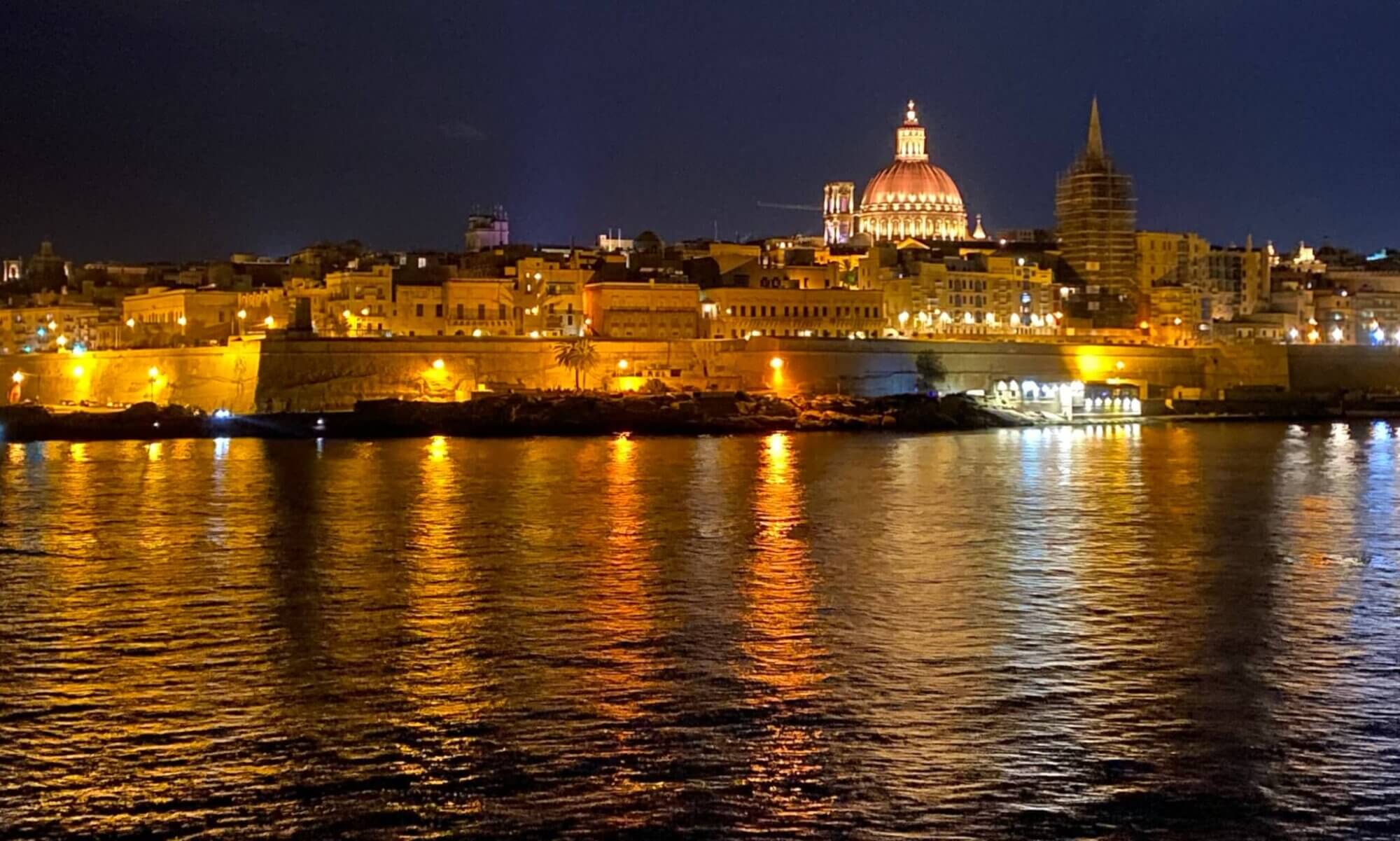
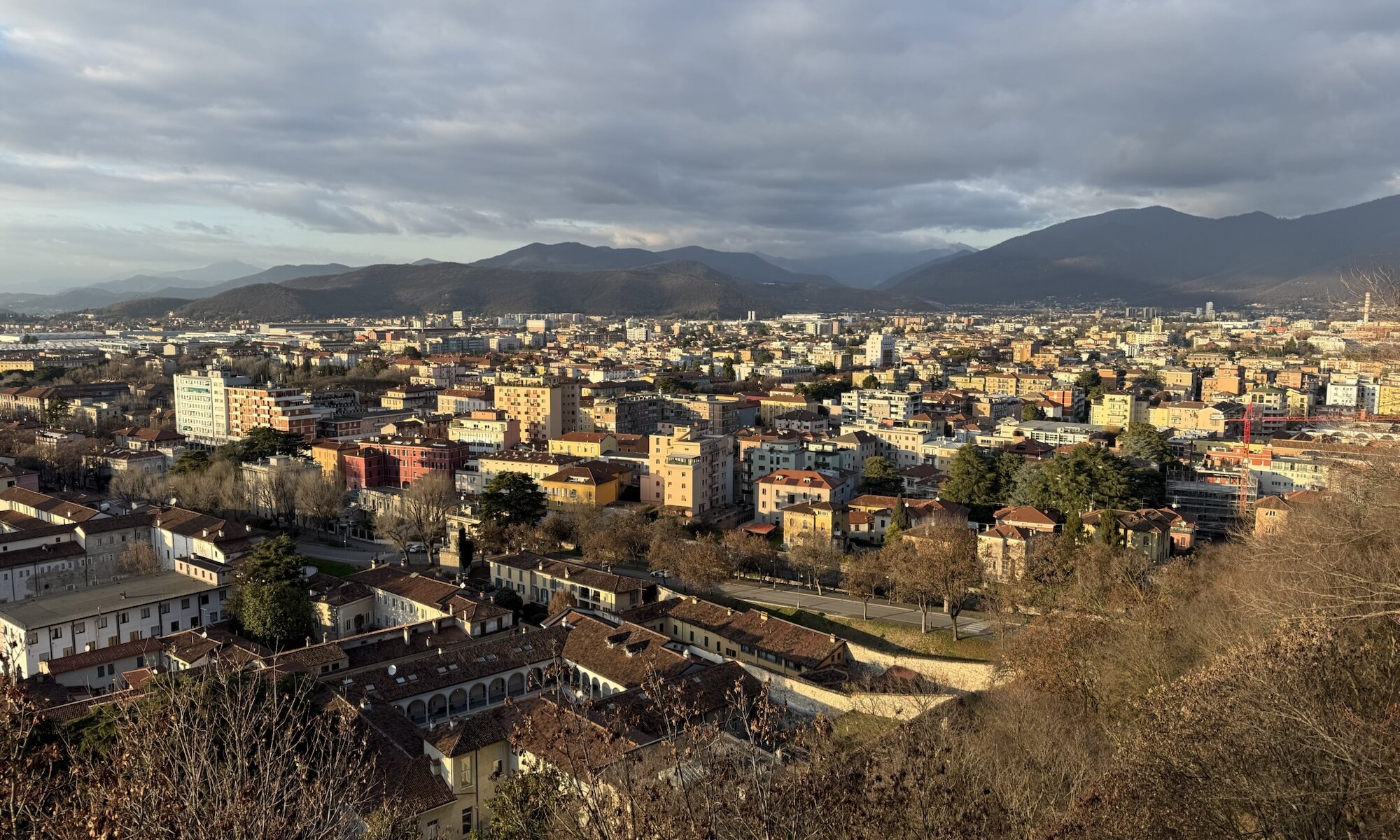
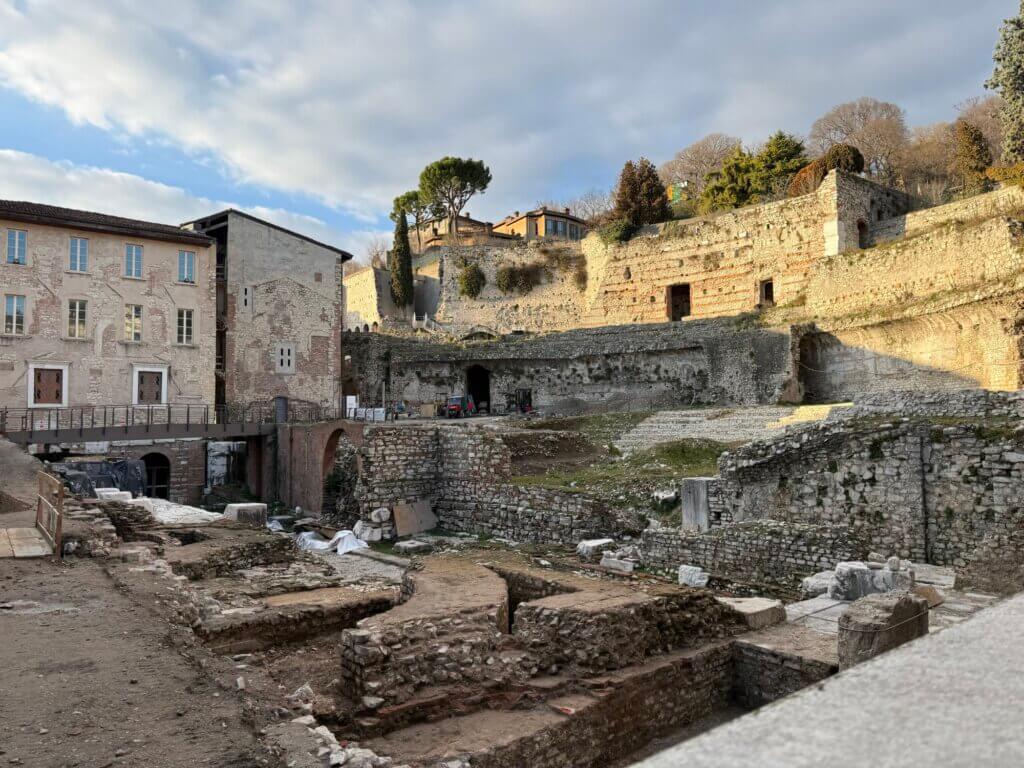
Often dubbed the ‘Lioness of Italy‘, Brescia rests quietly in the Lombardy region between Milano and Lago di Garda, yet carries a history as fierce as any of Italy’s more famous cities. Its origins reach back to pre-Roman times when it was a Celtic settlement, later transformed into a Roman colony under the name Brixia. The city’s archaeological remains from that era, including the Capitolium Temple and the Roman theatre, serve as a tangible reminder of Brescia’s status as one of northern Italy’s most important Roman centres. During the Middle Ages, it grew prosperous under the rule of various powers – Venetians, French, Austrians – each leaving architectural and cultural marks that blend into a remarkably layered urban fabric.
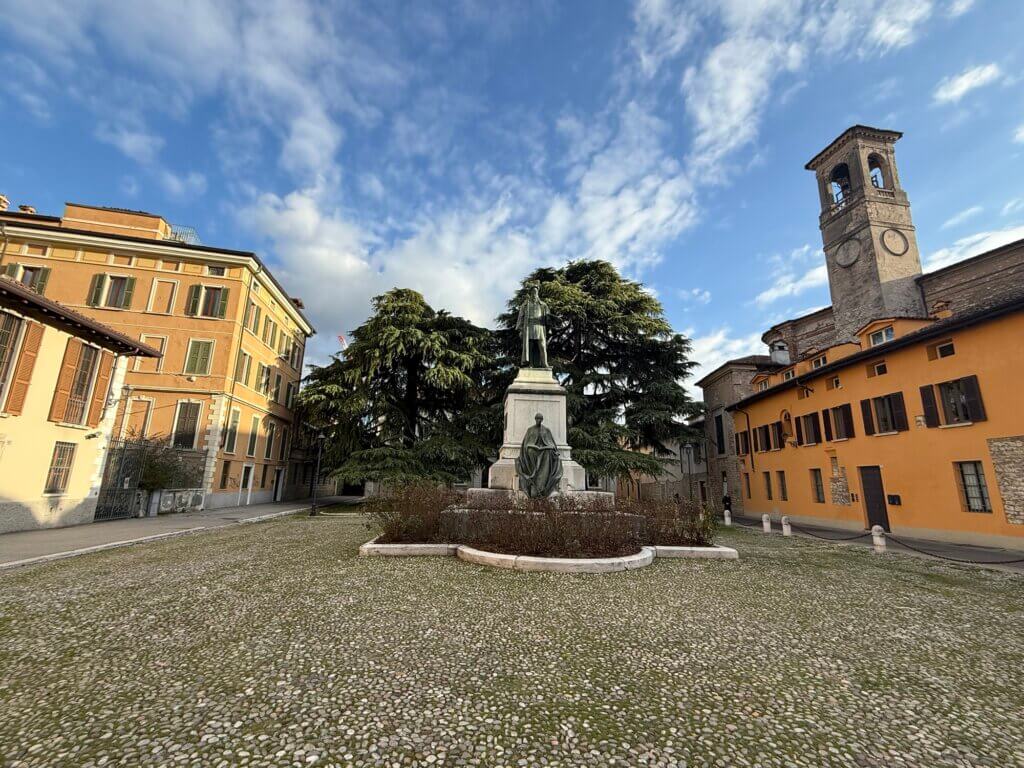
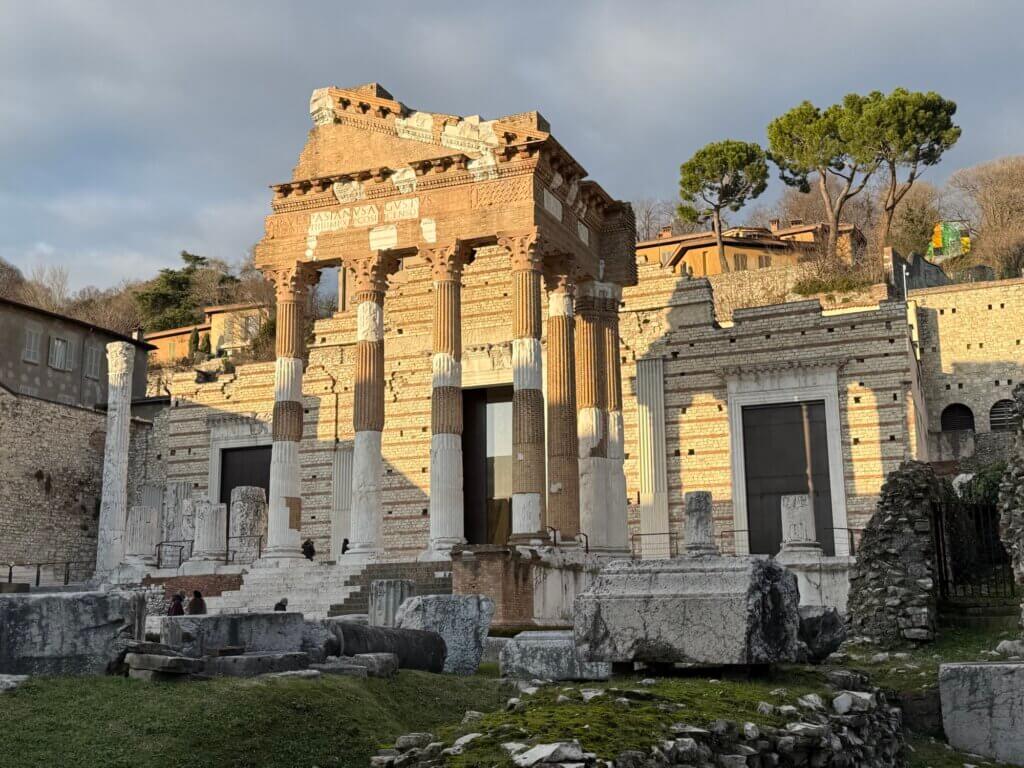
What distinguishes Brescia is this sense of historical continuity coexisting with industrious modernity. Known for its precision industries, mechanical engineering, and the Mille Miglia vintage car race, the city embodies a blend of craftsmanship and vitality that feels authentically Italian but without the crowds of nearby tourist hubs. Walking through its streets, one feels the transition from ancient ruins to Renaissance façades and modern piazzas happen almost seamlessly. The local rhythm is neither hurried nor sleepy – just grounded, anchored in centuries of quietly forged identity.
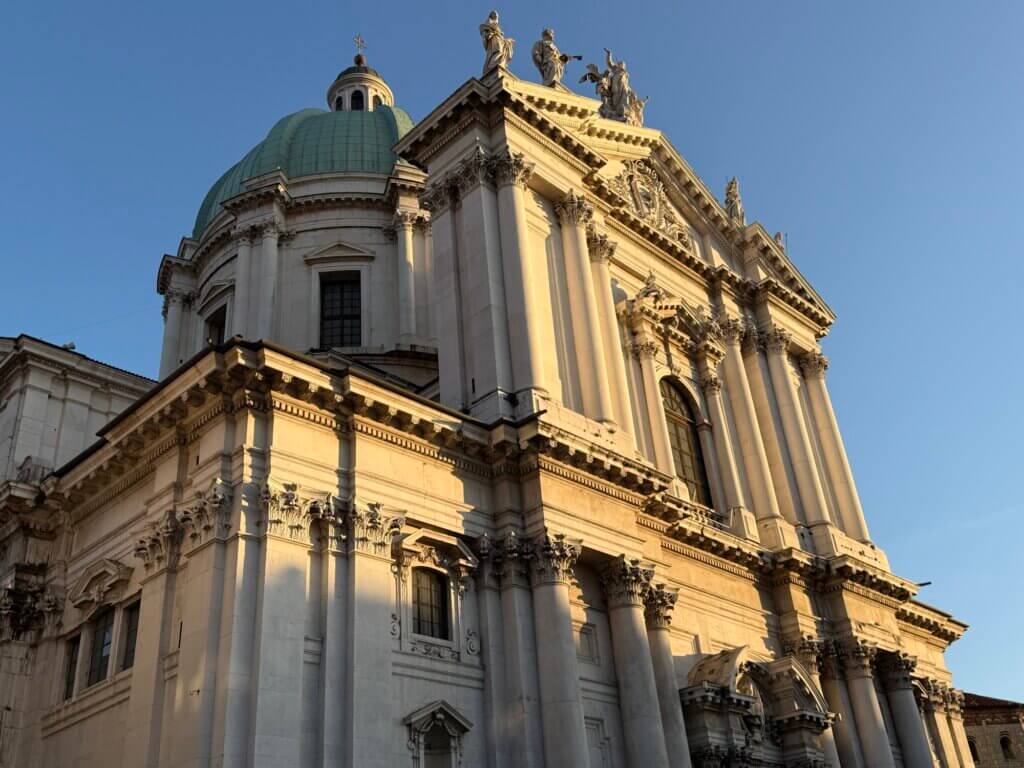
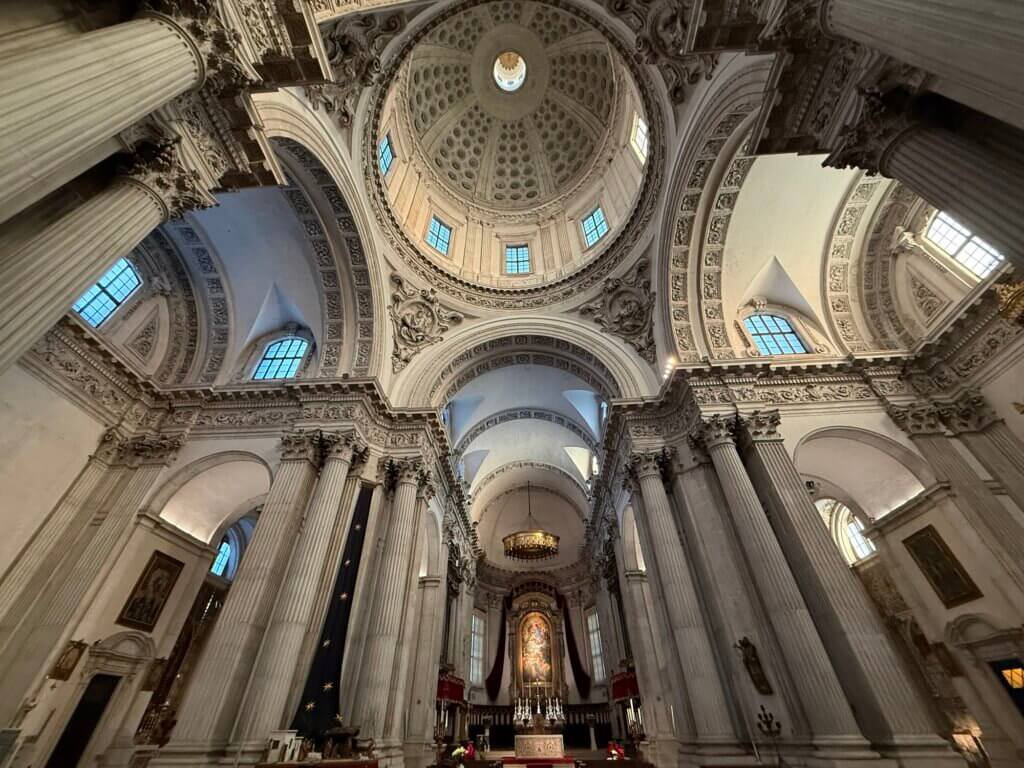
At the heart of Brescia stands Piazza della Loggia, a Renaissance masterpiece framed by elegant arcades and dominated by the ornate Loggia Palace, now the town hall. Nearby, Piazza Paolo VI presents the unusual sight of two cathedrals side by side: the Duomo Vecchio (Old Cathedral), a circular Romanesque structure known locally as La Rotonda, and the Duomo Nuovo (New Cathedral), with its grand marble dome towering over the square. Add to that the Monastic Complex of San Salvatore-Santa Giulia, a UNESCO World Heritage Site sprawling through centuries of architecture, from Lombard origins to Baroque chapels, housing priceless artefacts that narrate Brescia’s long past.
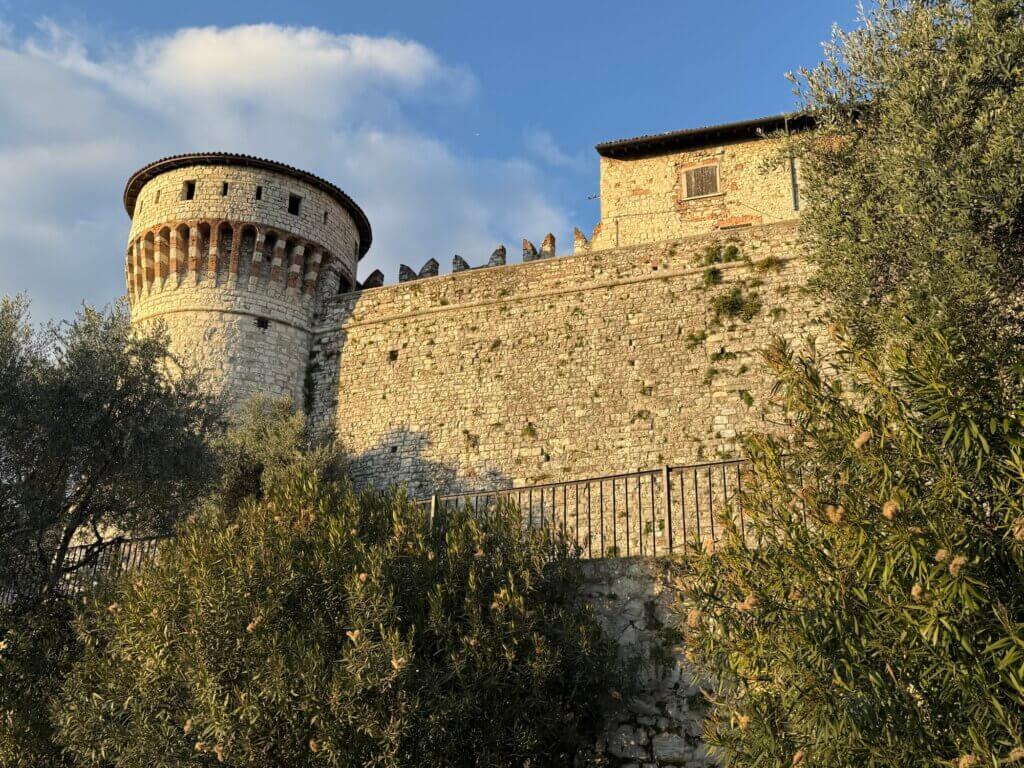
Above the city rises the Castello di Brescia, an imposing fortress offering sweeping views of the rooftops and plains beyond. It houses the Museum of Arms and the Risorgimento Museum, both fascinating not just for their collections but for the evocative sense of history they convey. A visit should also include a stroll through the Roman Archaeological Park and perhaps a glass of Franciacorta sparkling wine at a nearby enoteca – the vineyards of this region produce some of Italy’s finest. Brescia may lack the glamour of Milano, but it rewards curiosity with a richness that only cities confident in their identity can offer.
Brescia
Italy
Loading map...
