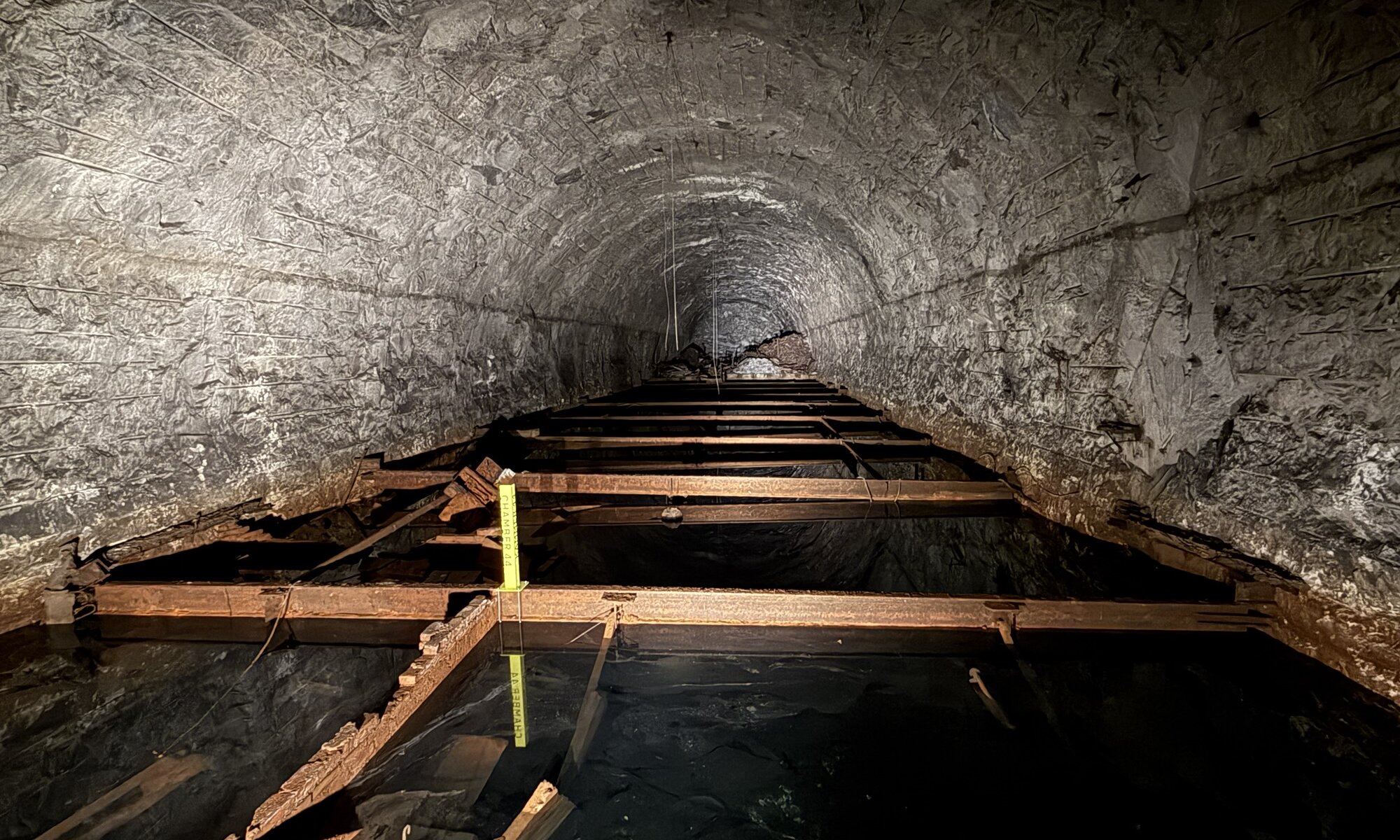
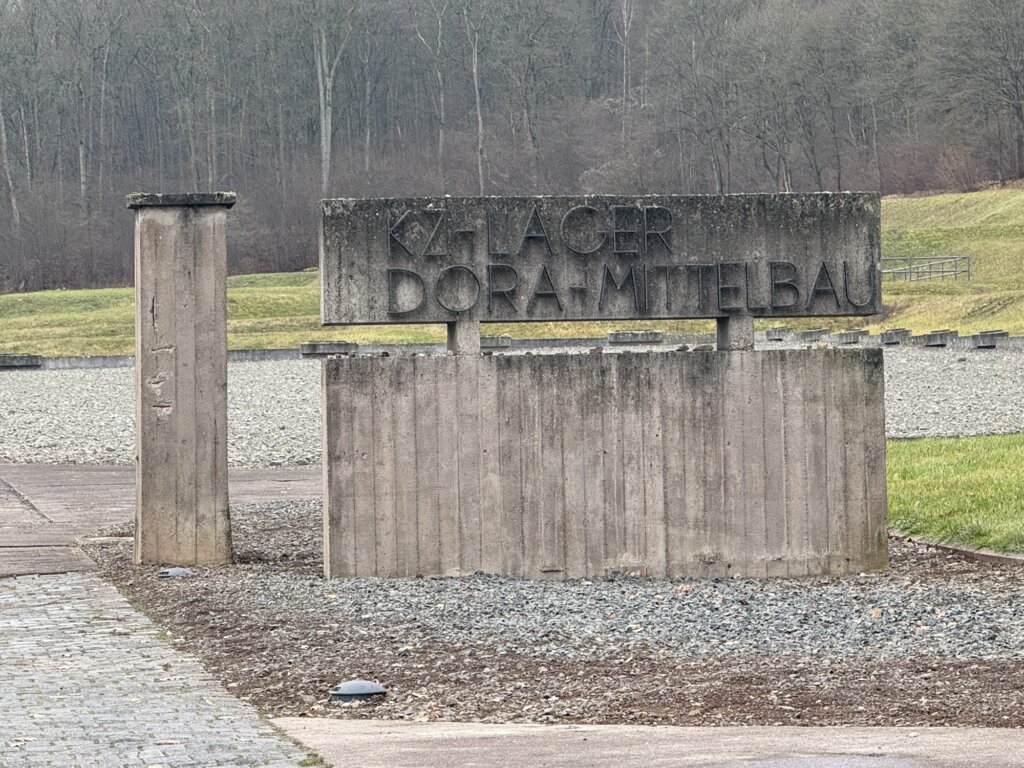
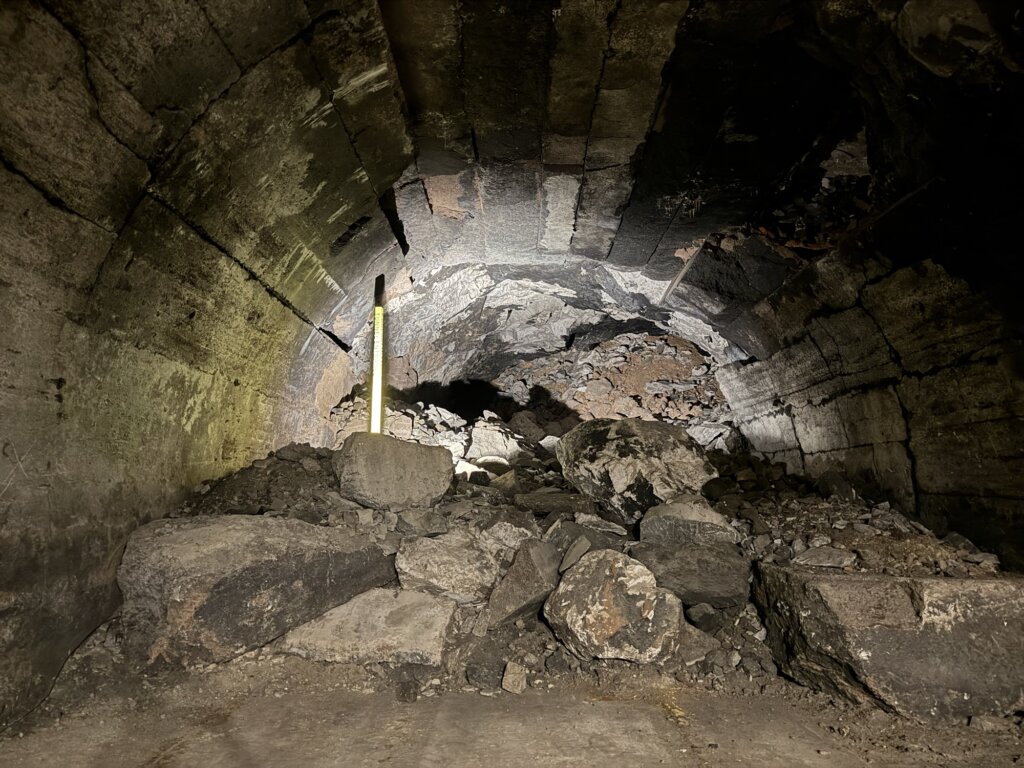
The KZ-Gedenkstätte Mittelbau-Dora, located near Nordhausen in Thüringen, stands as a stark reminder of one of the darker chapters of the Second World War. Initially established in the late summer of 1943 as a subcamp of Buchenwald, it became an independent concentration camp in the autumn of 1944. Prisoners were forced to work under appalling conditions in a vast network of underground tunnels carved into the Kohnstein mountain. These tunnels, developed for the storage of fuel and later dedicated to the production of the V2 rocket, symbolised both a technological triumph and a humanitarian disaster – tens of thousands of inmates perished from exhaustion, malnutrition, disease, and outright execution.
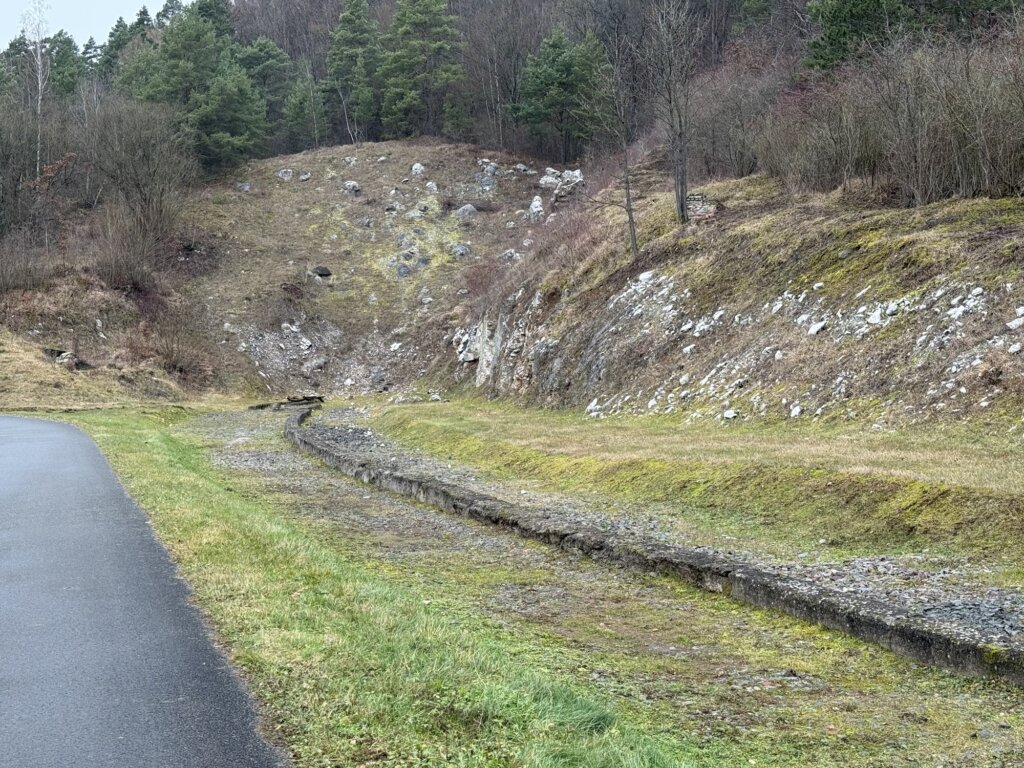
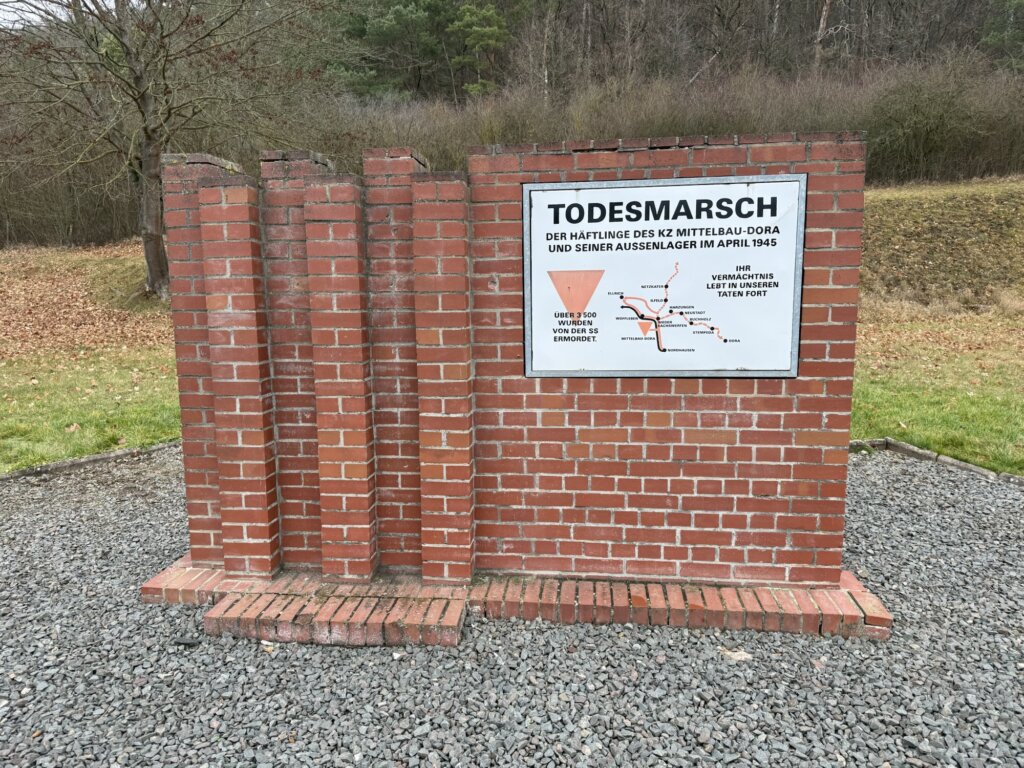
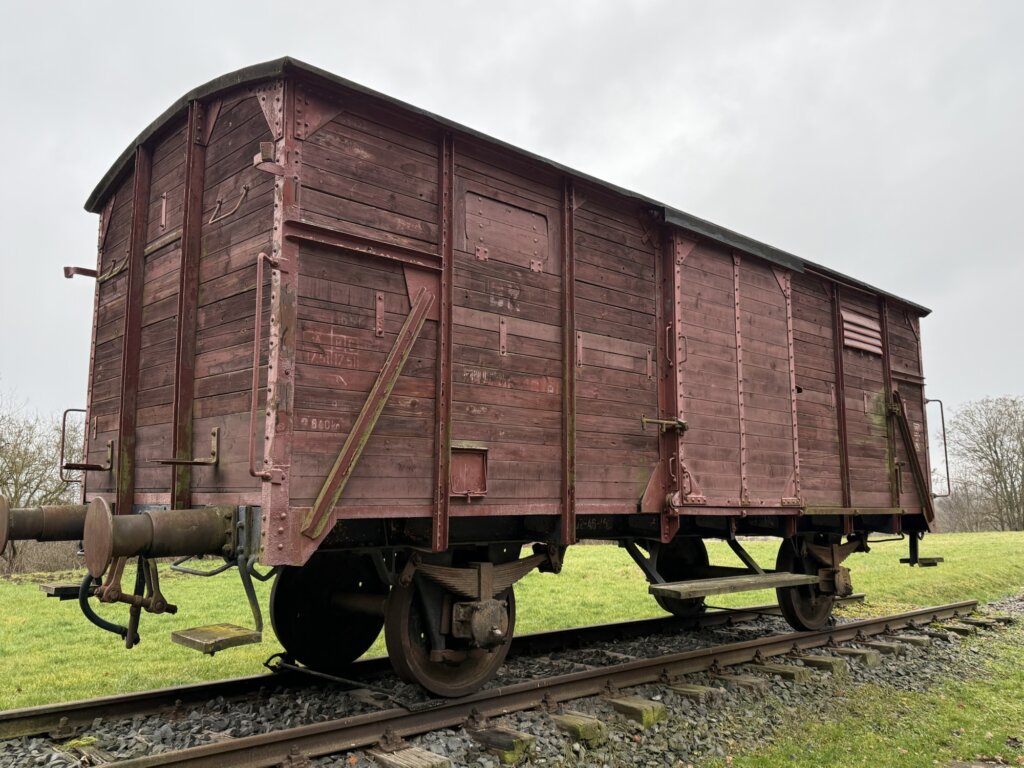
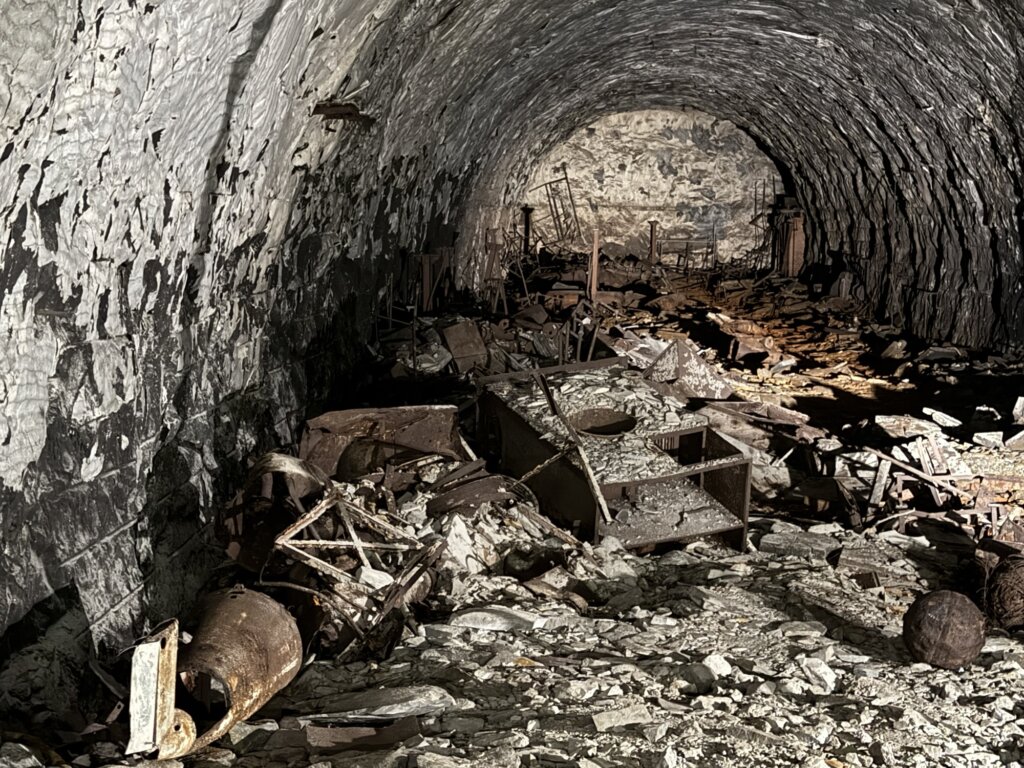
The camp’s industrial purpose was unique in the concentration camp system. When the Allies’ bombing campaign threatened German armament production, the Nazi leadership relocated vital rocket assembly operations underground to Mittelbau-Dora. Prisoners from across Europe, many of them political detainees, were made to work around the clock in a toxic combination of dampness, dust, and lack of ventilation. The infamous Mittelwerk factory became synonymous with both forced labour and the perverse marriage of scientific ambition with systematic cruelty.
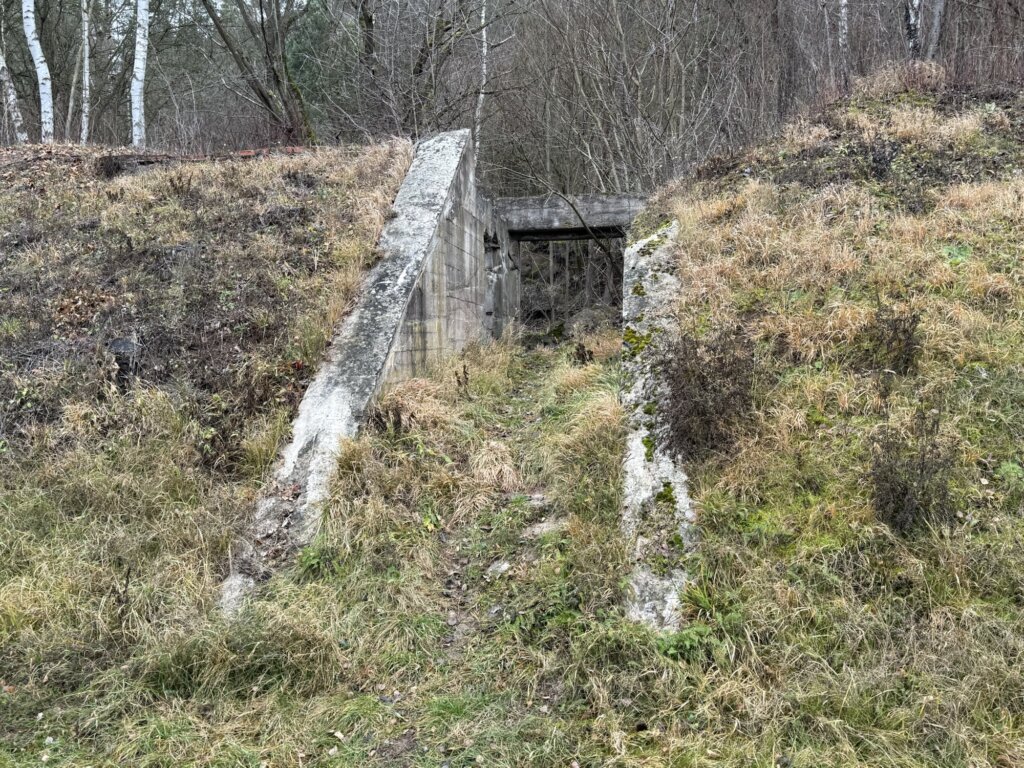
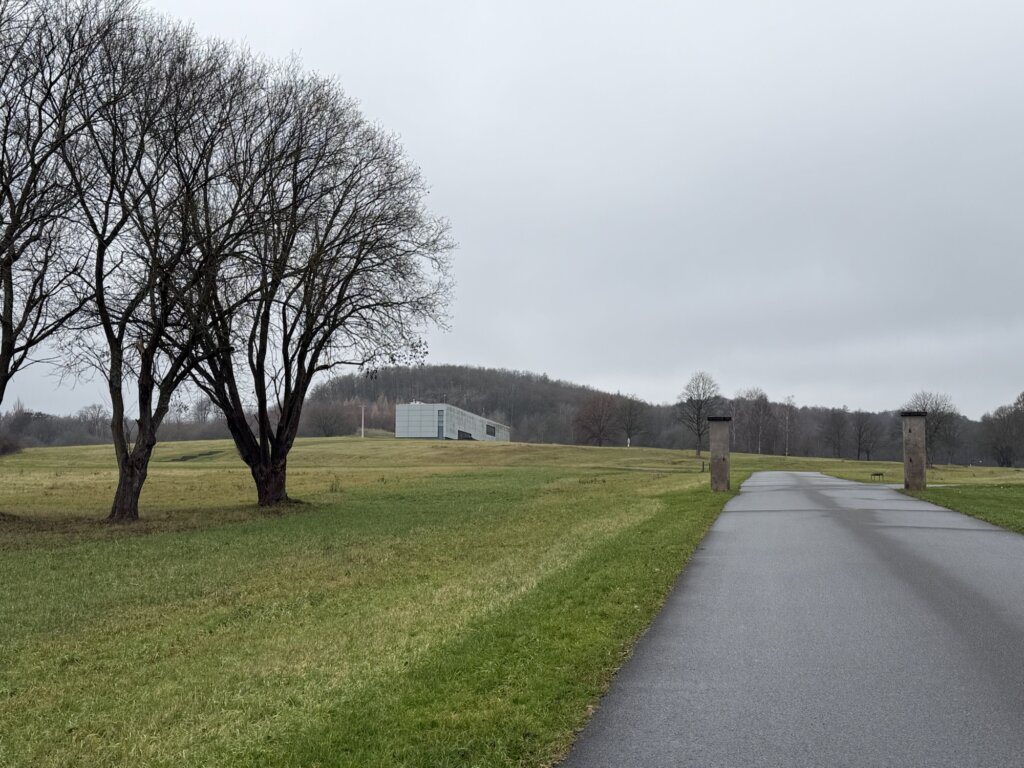
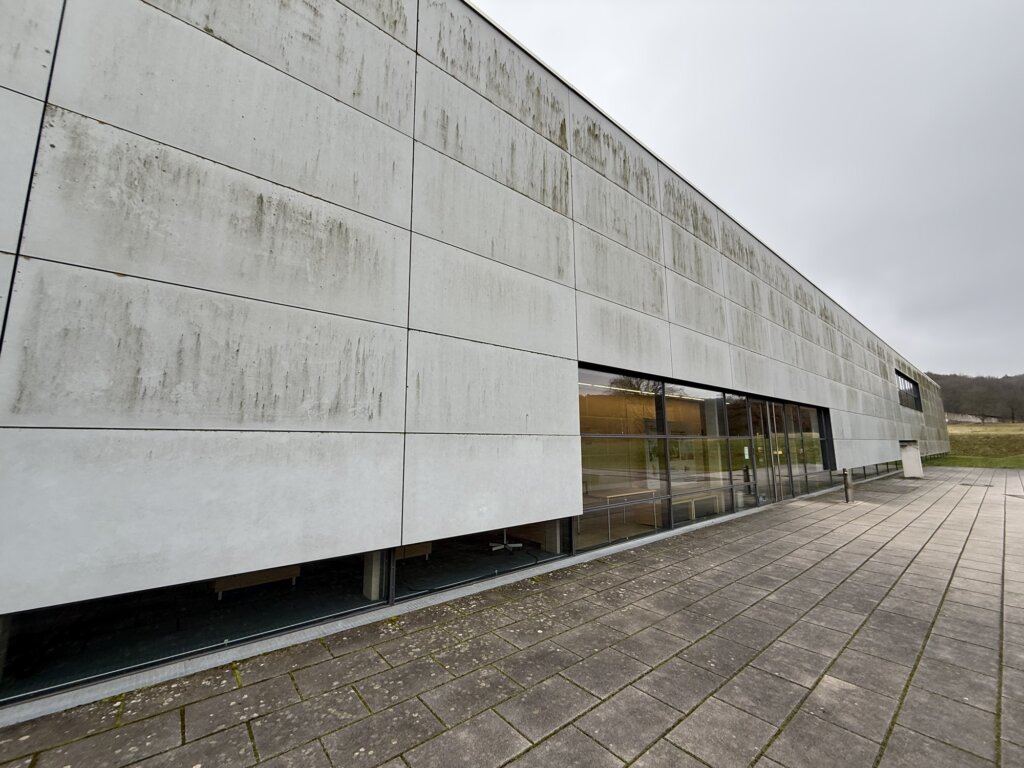
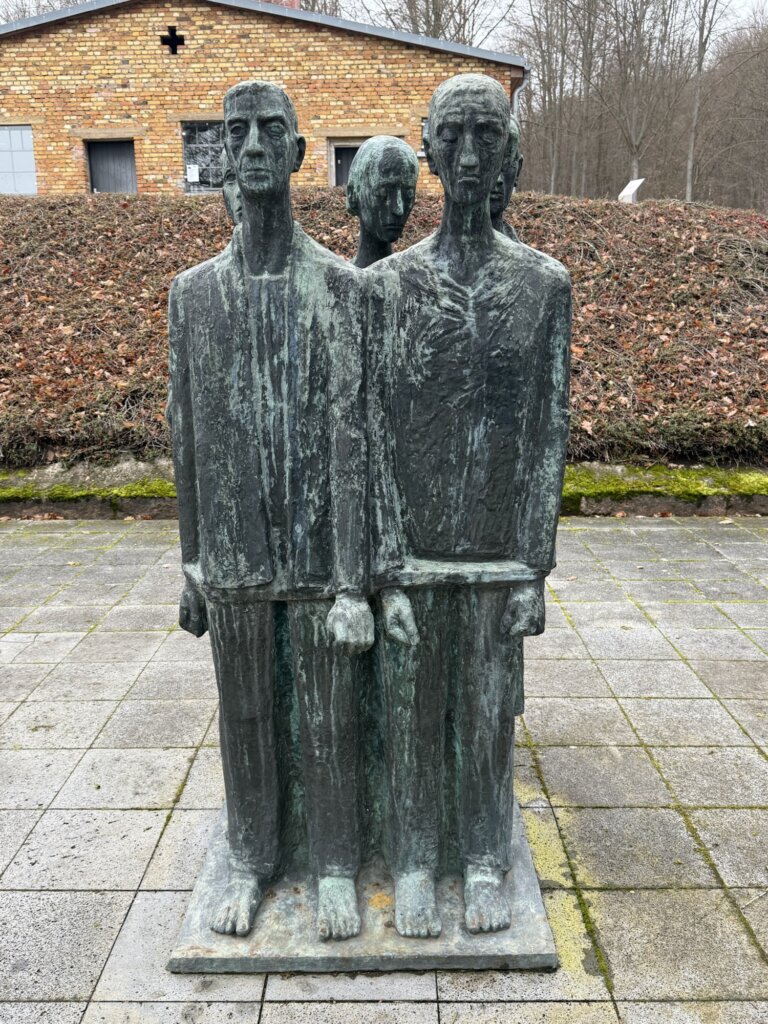
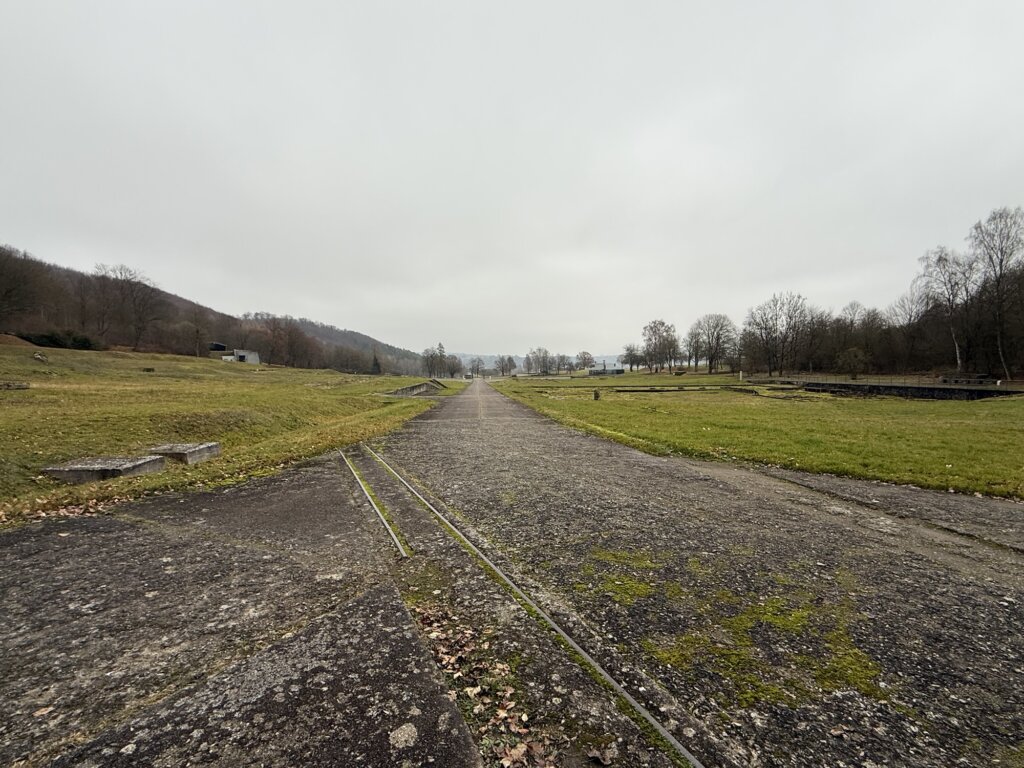
Today, the memorial site combines the preserved remnants of this industrial and human tragedy with a carefully curated exhibition. Visitors can walk through parts of the surviving tunnel system to gain a visceral sense of the labour encampment’s conditions. The museum buildings display artefacts, personal testimonies, and photographs illustrating the prisoners’ experiences and the broader historical context of Nazi forced labour. A cemetery and commemorative sculptures outside the main exhibition hall honour the victims, offering a quiet space for reflection amidst an otherwise sobering landscape.
The memorial also functions as a centre for education and research, ensuring that the stories of the victims and survivors remain present in public consciousness. Guided tours, seminars, and special exhibitions delve into the moral, political, and technological dimensions of Mittelbau-Dora’s history. Visiting it is not merely an act of remembrance but an invitation to confront the entanglement of modern scientific progress with inhuman ideology. It remains one of the few places where history’s capacity for both innovation and atrocity is so intensely, and hauntingly, intertwined.
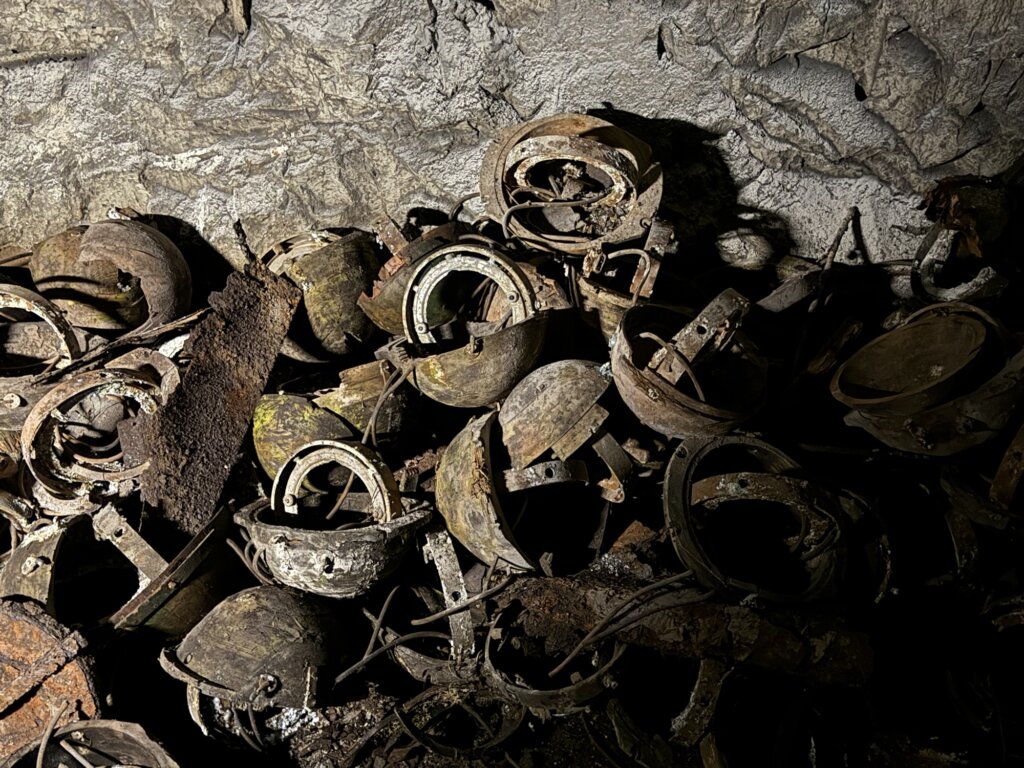
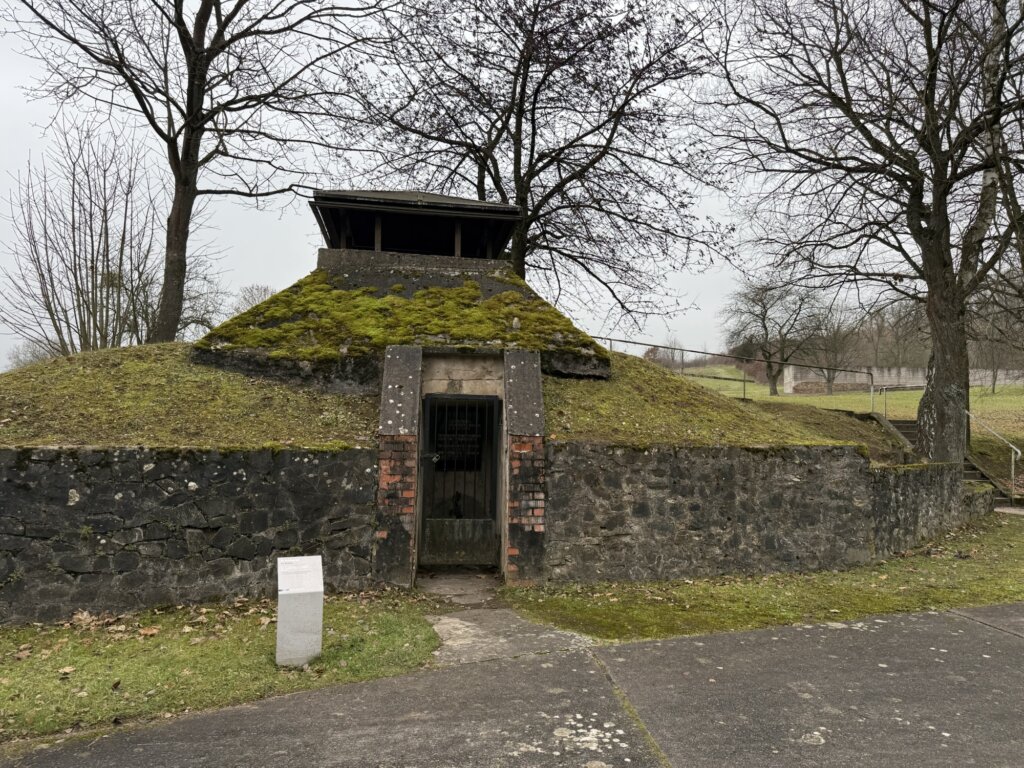
The underground tunnels can only be visited on guided tours that can be booked via mail. Mittelbau-Dora can be best accessed by regional train to Nordhausen. From there a bus takes you to the memorial site, walking would be 1.5 hours in each direction. If you want to walk, better exit at the railway station of Niedersachswerfen (convenient 45 minutes on foot away).
Aggregat 4
The V2 rocket, officially designated the ‘Vergeltungswaffe 2’ or ‘Aggregat 4’ (A4), was the world’s first long-range guided ballistic missile. Developed by Nazi Germany during the Second World War, it represented a grim leap in military technology – a weapon capable of reaching supersonic speeds and striking distant targets with no effective defence against it. Propelled by a liquid-fuel rocket engine powered by a mix of ethanol and liquid oxygen, the V2 could climb beyond the edge of the atmosphere before delivering its one-tonne payload of explosives in a near-vertical dive at over 5,000 kilometres per hour. Its creation marked the beginning of the modern age of rocketry and space exploration, even though its first purpose was one of destruction.
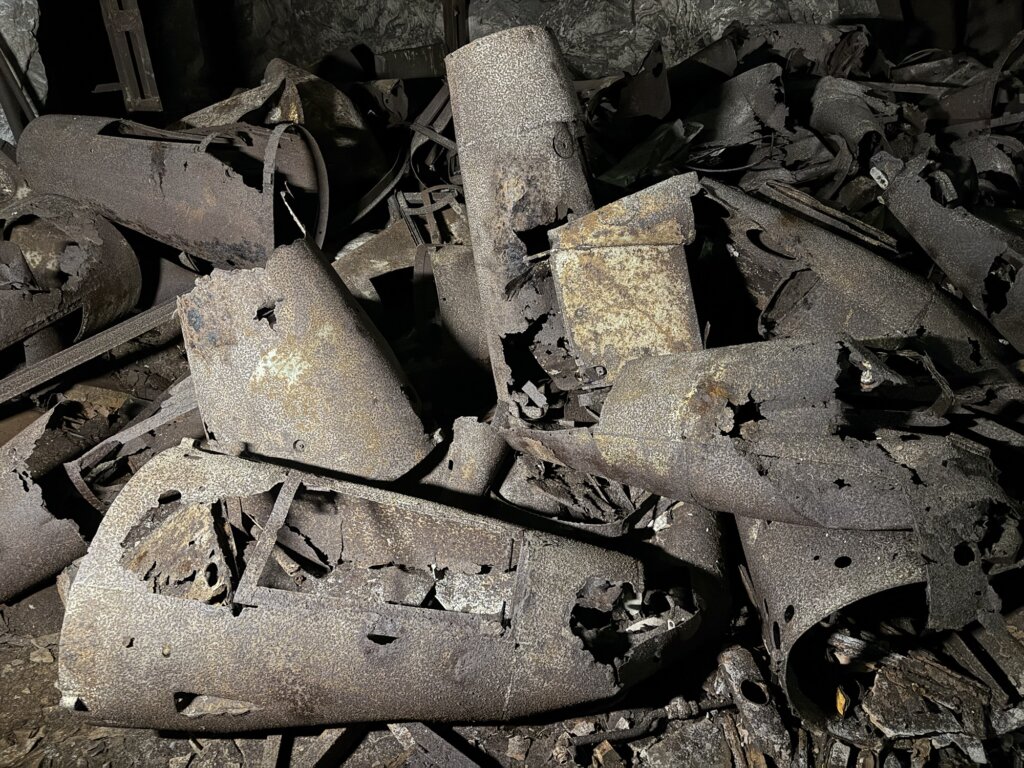
The Nazis built the V2 primarily at the Mittelwerk facility, where it was assembled inside the Dora-Mittelbau underground complex. This subterranean factory was chosen to protect production from Allied bombing, but conditions there were appalling: tens of thousands of concentration camp prisoners were forced to work under inhumane conditions, and an estimated twenty thousand died due to starvation, disease, and mistreatment. Earlier development and testing had taken place at the Peenemünde Army Research Centre on the Baltic Sea, where engineers under Wernher von Braun refined the rocket’s design before mass production began in 1943-44.
The V2 was used extensively against Allied cities from late 1944 onwards. London was the primary target, suffering thousands of casualties from over a thousand rocket strikes launched from occupied territories such as the Netherlands. Later, the city of Antwerp in Belgium, a crucial Allied supply port, endured heavy bombardment – hundreds of rockets were fired in an attempt to interrupt the flow of resources to advancing forces. Paris and Liège were also hit, though to a lesser extent. Despite its terrifying psychological impact, the V2’s military effect was limited, arriving too late and too imprecise to alter the outcome of the war. Yet its legacy paved the way for post-war missile technology and the subsequent space race.
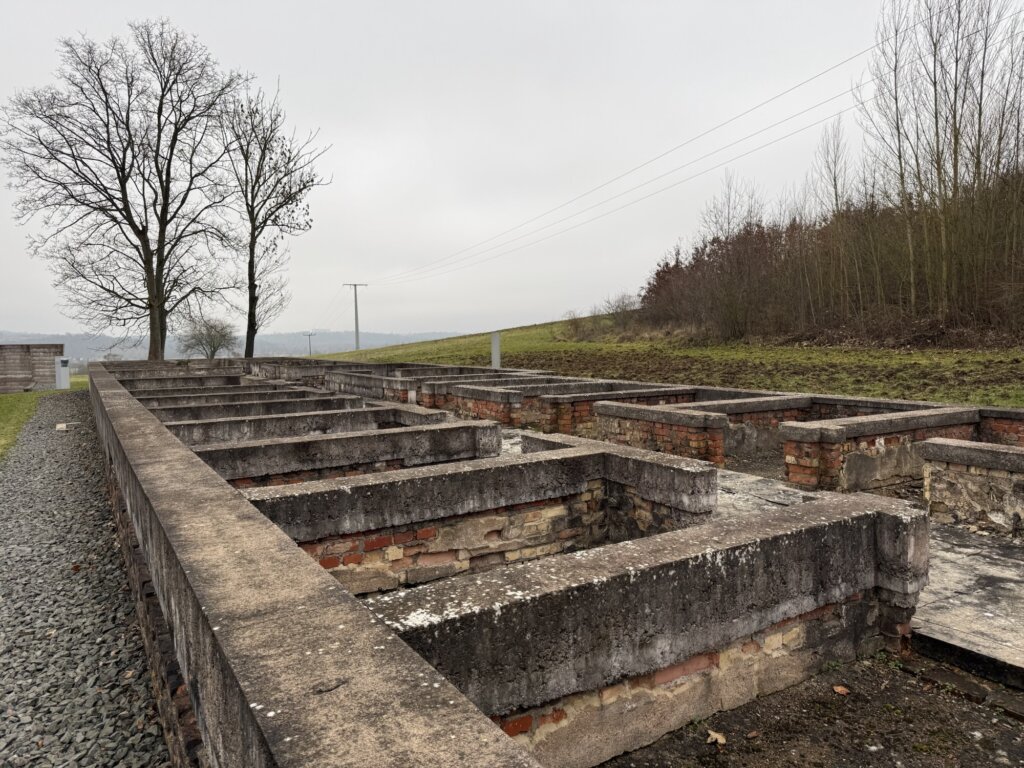
KZ-Gedenkstätte Mittelbau-Dora
Nordhausen
Germany
https://www.dora.de
Loading map...
