The ancient city of مَنْف in Egypt holds a remarkable place in history as one of the earliest urban settlements, founded around 3100 BCE. It was established by Menes (or Narmer), who is credited with uniting Upper and Lower Egypt, making مَنْف the first capital of a unified Egyptian kingdom. The city’s original name, often translated as ‚White Walls‘, possibly referred to its royal palace. مَنْف stood as the political and religious heart of Egypt during the Old Kingdom and remained an important centre through several dynasties. Although its status as capital was eventually superseded by Thebes and later الإسكندرية, Memphis still played a significant role in the economic and religious landscape of ancient Egypt for much of its history. It is also the place in which Alexander the Great was crowned as Pharao of Egypt – stepping into the footsteps of Ramses II.
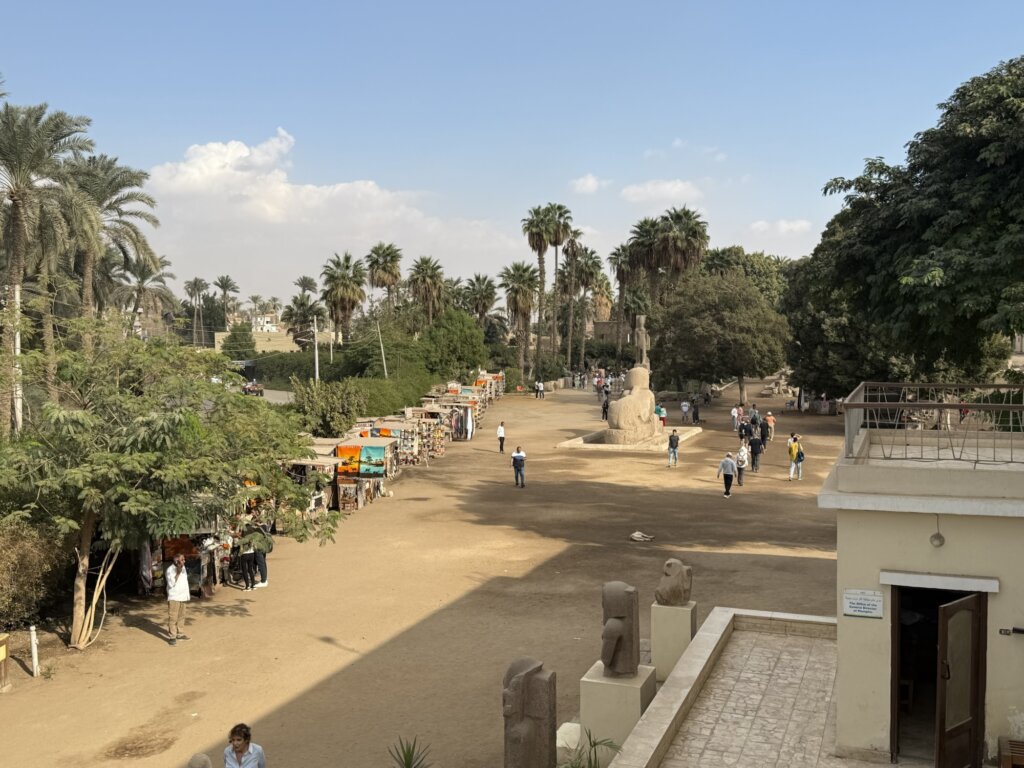
Today, the remains of مَنْف lie near the modern village of Mit Rahina, about 19 kilometres south of القاهرة. The site is an open-air museum that showcases a remarkable array of artefacts and ruins from its illustrious past. Visitors can explore the foundations of the Grand Temple of Ptah, the city’s patron deity, who was revered as the god of craftsmen and creation. The city’s archaeological significance is further enriched by necropolises like Saqqara nearby, which houses the famed Step Pyramid of Djoser and extensive burial grounds from the early dynastic periods, providing insight into the city’s role as a royal and religious hub through antiquity.
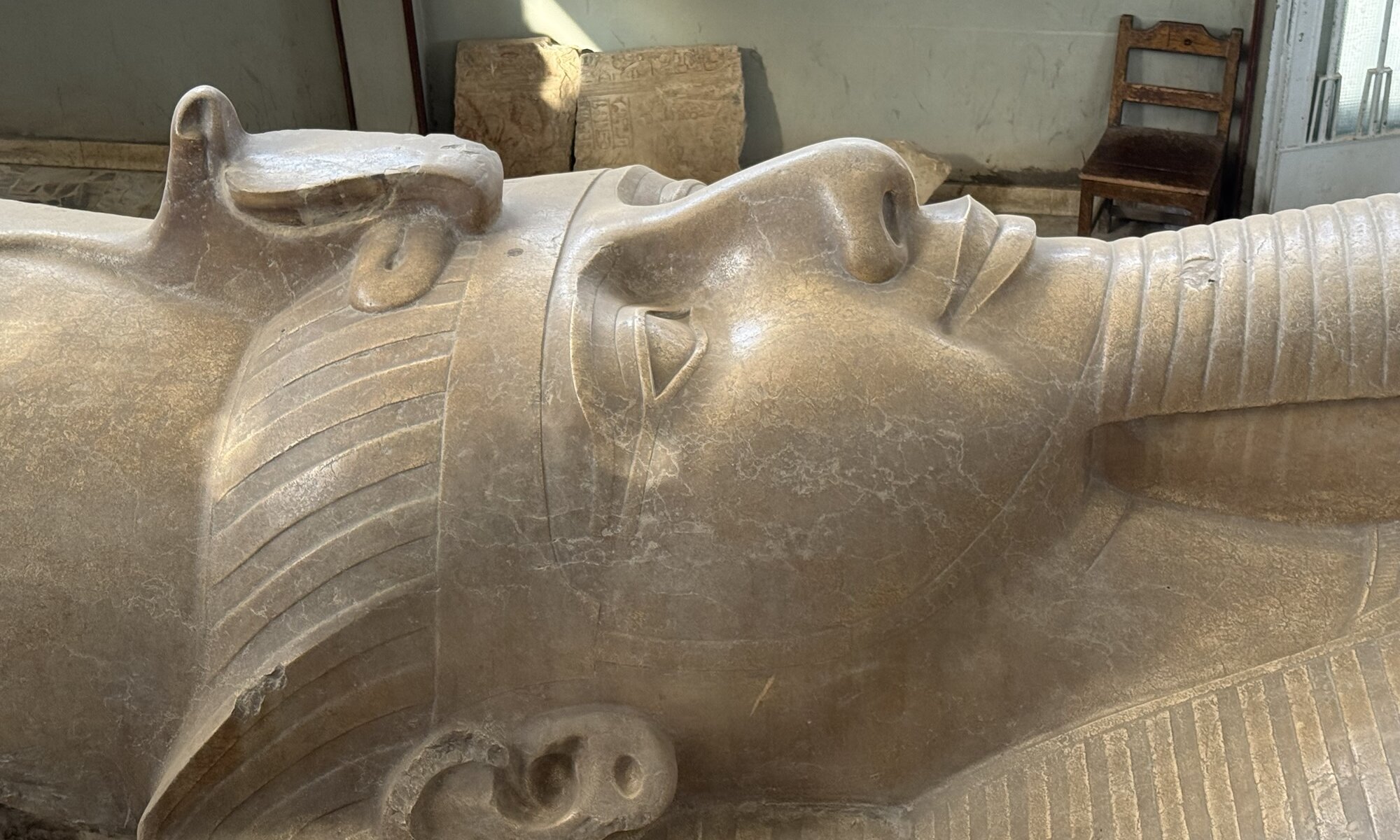
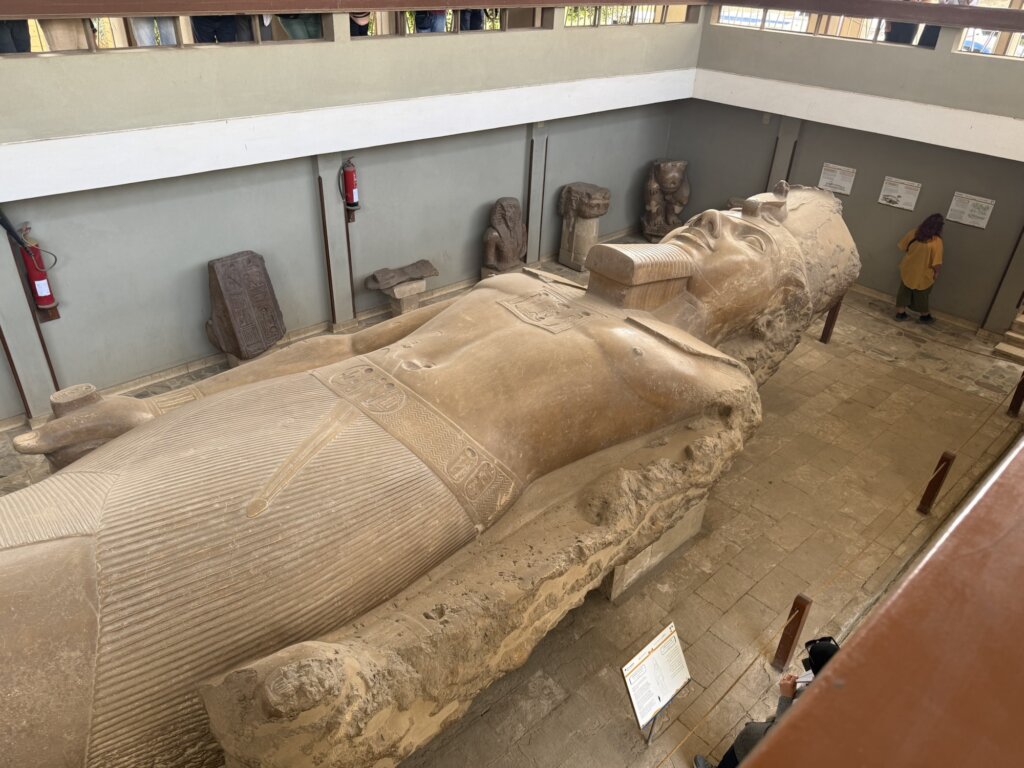
A highlight of مَنْف is the colossal Statue of Ramses II, an enormous limestone figure roughly ten metres in length. Although the statue is found without its feet, it remains a commanding presence, once guarding the Temple of Ptah. Ramses II, one of Egypt’s most powerful pharaohs, is immortalised here in a pose that emphasises his grandeur and authority. The statue’s scale and intricate craftsmanship make it a captivating sight, illustrating the artistic and political might of ancient Egypt during his reign.
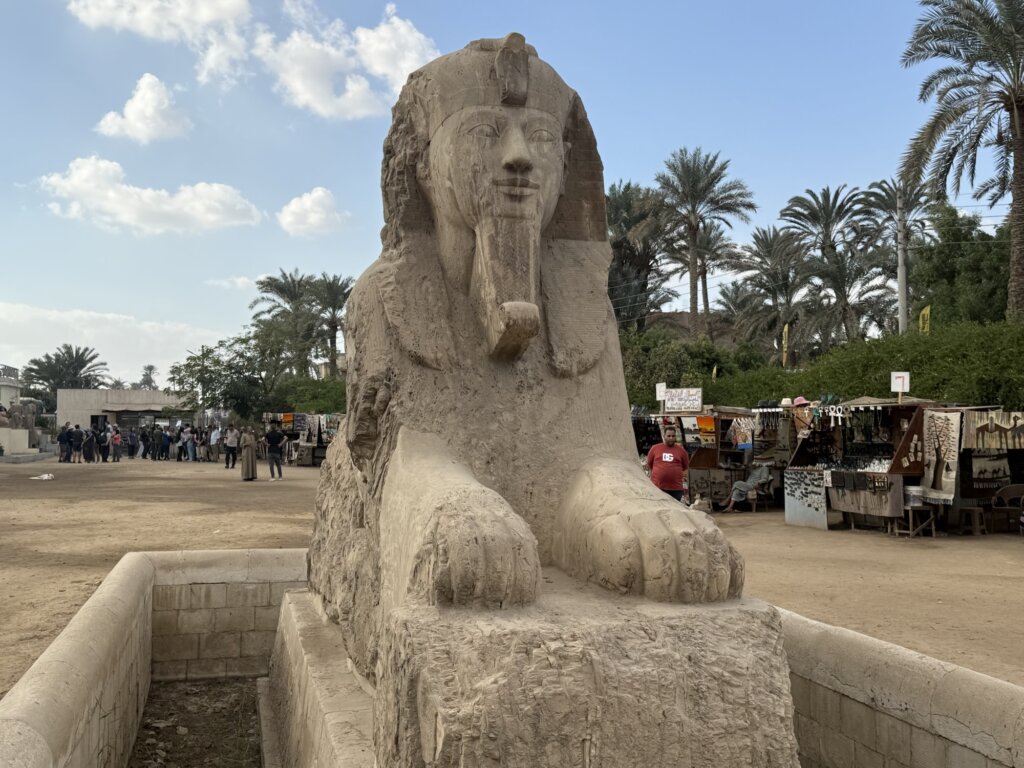
Another iconic monument at مَنْف is the Alabaster Sphinx. Slightly smaller but no less impressive than the Great Sphinx of Giza, this sphinx is carved from a single block of yellowish white alabaster and measures about eight metres in length and four metres in height. Thought to have been carved during the 18th Dynasty, its precise royal dedication is uncertain, although it likely honours a pharaoh such as Amenhotep II or Hatshepsut. The Alabaster Sphinx symbolises the divine kingship of the pharaoh, combining the strength of a lion with human intelligence – a visual embodiment of power and protection that continues to awe visitors exploring the ancient city’s rich heritage.
Memphis
Statue of Ramses II
Alabaster Sphinx
مَنْف
Egypt
Loading map...
