

The Museum Wiesbaden is one of the most significant cultural institutions in the German state of Hesse, combining art, natural history, and special exhibitions under one roof. Its origins date back to the early 19th century, when the foundation of the Nassau Antiquities Association laid the groundwork for a formal museum. The current building, an elegant neoclassical structure completed in 1915, stands at the edge of Wiesbaden’s city centre and was carefully restored after the damage it suffered in the Second World War. Over time, the museum evolved into a multidisciplinary institution dedicated to the visual arts, natural sciences, and decorative culture.

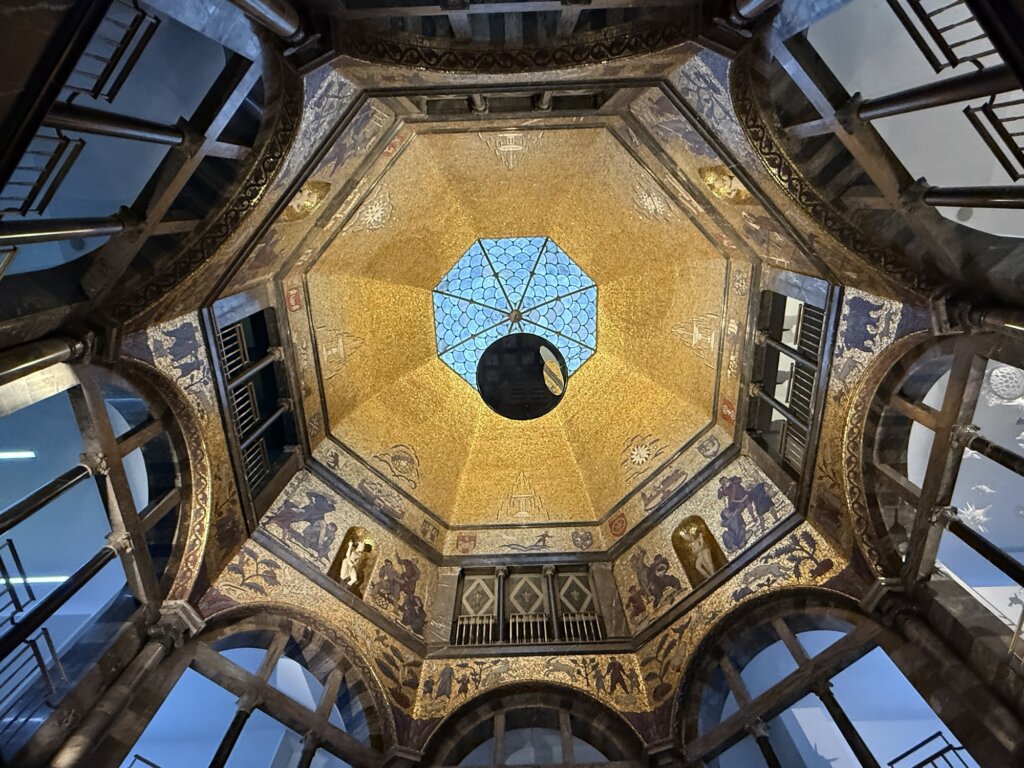
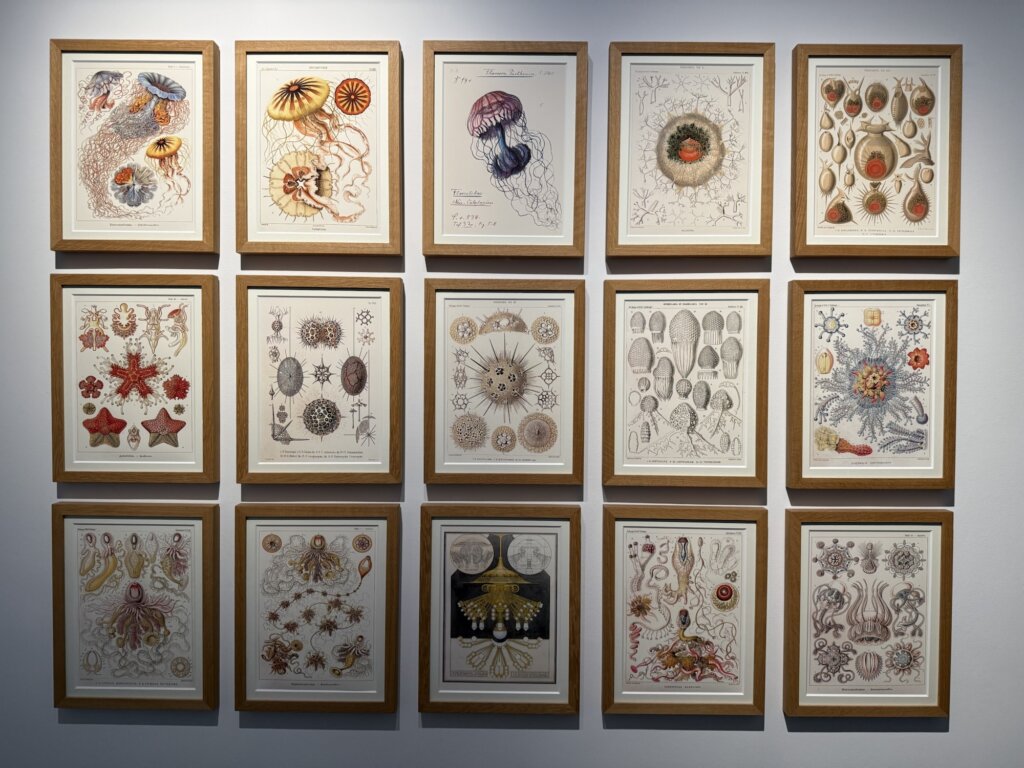
Inside, visitors will find an impressive range of artworks spanning medieval altarpieces to modernist canvases. The collection is particularly strong in German Expressionism, with works by artists such as Jawlensky, Nolde, and Kirchner forming a vivid narrative of early 20th-century creativity. Complementing these are finely curated natural history sections featuring fossils, minerals, and zoological specimens that reflect the museum’s dual heritage as both an art and science museum. Its galleries are bright, well‑organised, and inviting, striking a balance between academic rigour and accessibility for the casual visitor.
The fate of Ophelia
A surge of interest has recently brought a new wave of visitors, many of them Swifties eager to see Ophelia by Friedrich Wilhelm Theodor Heyser – just because Taylor Swift inscenes herself as Ophelia in the video for her song ‘The Fate of Ophelia’, using the composition of Heysers painting. The painting depicts the tragic Shakespearean heroine drifting peacefully in the water, surrounded by flowers rendered in minute detail. Social media buzz has made it one of Wiesbaden’s most talked‑about cultural attractions this season, intertwining pop culture curiosity with genuine artistic appreciation.
‘The eldest daughter of a nobleman
Ophelia lived in fantasy
But love was a cold bed full of scorpions
The venom stole her sanity’– Taylor Swift, The Fate of Ophelia
It’s worth noting that Ophelia is not unique to Wiesbaden’s exhibition world. The most famous version of the painting done by John Everett Millais indeed belongs to the Tate in London, where it has been a centrepiece of the British collection for generations. The Wiesbaden showing, however, offers its own perspective, often pairing Heysers work with related pieces from contemporary artists or thematic displays about emotion, death, and beauty in Victorian art. Together, they form a fascinating dialogue between institutions and eras, and a rewarding reason for art‑lovers to include Wiesbaden on their cultural itinerary.
To be, or not to be: that is the question
Ophelia, the daughter of Polonius and sister to Laertes, stands as one of the most tragic figures in William Shakespeare’s play Hamlet. Gentle, obedient, and seemingly fragile, she lives under the weight of expectations imposed by the men around her. Her father and brother treat her as a vessel of family honour, warning her against Hamlet’s affections as though she were incapable of independent choice. Torn between filial duty and youthful love, Ophelia struggles to assert her own desires, her voice gradually drowned by the dominating will of others.
Her relationship with Hamlet is marked by tenderness that turns swiftly to torment. When Hamlet’s feigned or real madness grows, he spurns and humiliates her, driving deep confusion into her already submissive heart. The famous scene in which he orders her to a nunnery captures her helplessness – she becomes the emotional casualty of his revenge against a rotten court. Deprived of guidance after her father’s death and abandoned by Hamlet, Ophelia’s mind unravels as grief and loss consume her. Her madness reveals both innocence and despair, as she wanders the court singing broken songs and handing out symbolic flowers, each gesture a glimpse into her fractured world.
The rest, is silence
Ophelia’s death, whether accidental or self-inflicted, completes her transformation from docile daughter to emblem of destruction wrought by corruption and cruelty. Found drowned among the reeds, she becomes part of the natural imagery that runs through the play – her purity swallowed by the elements, her tragedy made hauntingly serene. In death, Ophelia transcends the social order that silenced her, leaving behind an image of beauty ruined by forces she could never withstand. Her story remains one of innocence caught in the crossfire of ambition, love, and moral decay.
Museum Wiesbaden – Hessisches Landesmuseum für Kunst und Natur
Wiesbaden
Germany
https://museum-wiesbaden.de
Loading map...
